We arrived in Gisborne on February 22, so it’s been a bit over a month. A pretty glorious month, and I continue to be a bit overwhelmed.
In 2010-11, I spent a year at U.S. Embassy Baghdad. At that time there was a U.S. military base directly across the road from the embassy compound, and in the middle of that base was the tomb of the founder of the Ba’ath Party. By the time I arrived, the tomb was well established as a sort of shopping mall, with maybe two dozen vendors set up in its rooms and hallways. I eventually bought a couple very nice rugs there, but we mostly went over for the bootleg DVDs. On my first visit I picked up a boxed set of the Wire, which aside from being somewhat out of sequence (it began with season 2, and eventually peppered in bits of season 1), was a more or less perfect copy. I loved the show but considered setting it aside, as I’d get so immersed in the story that when an episode ended I’d come back to reality with this lurching sense of displacement: ripped from the relatively familiar world of David Simon’s Baltimore and just flattened by the realization that I was half-way across the world in the middle of a war zone. I get that same sensation here sometimes; when I wake up, or after getting sucked down a Youtube rabbit hole ending with a 25-minute video of a Basque youth orchestra playing Ravel’s Bolero (for example). It’s not really a “good” or “bad” feeling. It seems more fundamental than that, like my lizard brain is simply overloaded by the immensity of our abrupt change of circumstances.
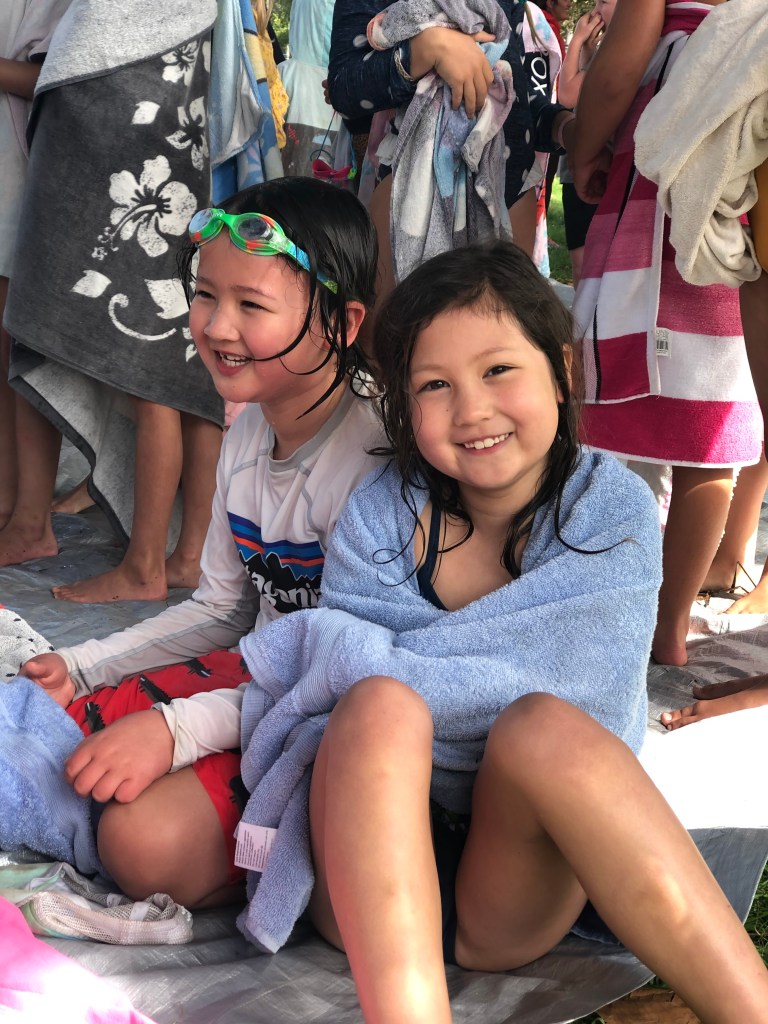
In any event, when the feeling passes, it’s quite clear that this has been a very good change. The kids are settling well into the Wainui Beach School, which is a pretty idyllic school. They’ve both made friends pretty quickly, which process has been eased by the very welcoming culture of the school and the fact that many of their classmates have had the recent experience of being the new kid and have therefore made an extra effort to help our kids feel at home. The school also held a powhiri, a Maori welcoming ceremony, for the families of new students a couple weeks ago. This involved the new students and families sitting in the assembly hall facing the school community, including the entire student body, which performed a song of welcome in Te Reo Maori. I spent the whole time trying not to embarrass the kids by breaking down weeping because it was absolutely amazing. Our first week here I had a similar experience at the powhiri the hospital held for new employees and their families.
The school has a real emphasis on resilience and learning from our failures, which I love, and gives the kids a lot of freedom and responsibility, as well as a great deal of time to play. The kids all did a duathlon a couple weeks ago, which meant a one kilometer run interrupted by a few laps in the pool. Our kids were a bit intimidated, especially as they’ve spent most of the last year cooped up in the house, but they both finished. We are massively proud of them and impressed by how supportive their classmates were. It was pretty awesome.
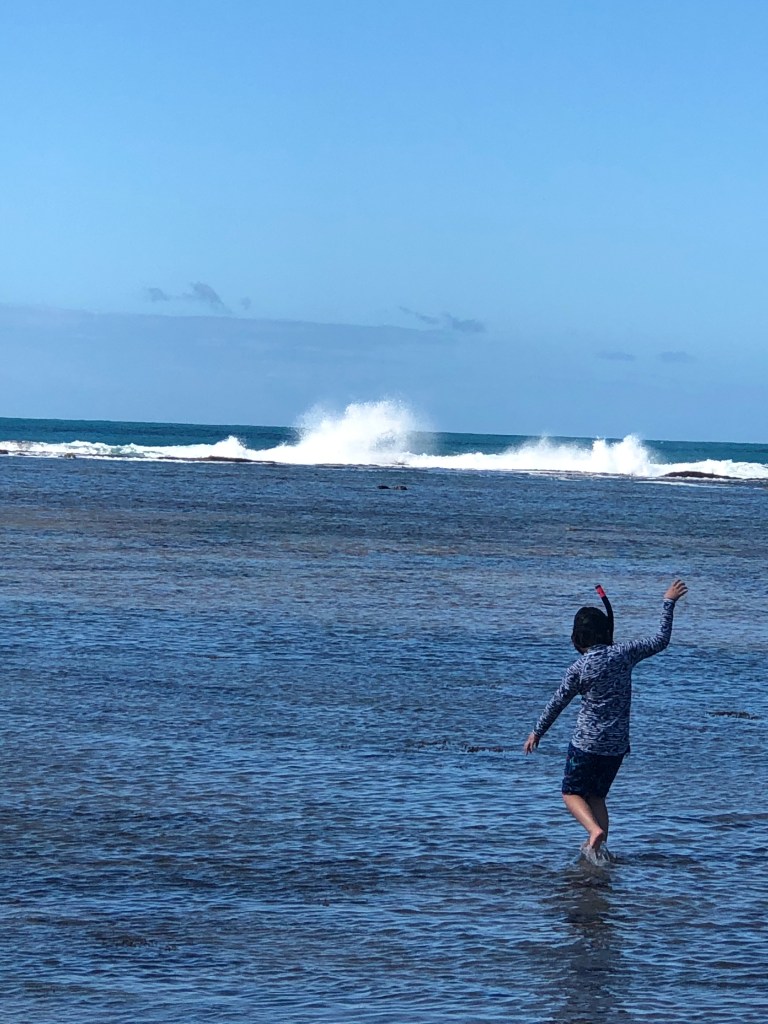
Maika did some beekeeping at school a few weeks ago, and this week I accompanied her class on a field trip to the local marine sanctuary. We broke into small groups and snorkeled the reef for a couple hours, which was brilliant. Aside from the snorkeling experience itself, it was a great way to get to know her class a bit and connect with some of the other parents. I’ll be going back with Emlen’s class in a couple weeks.
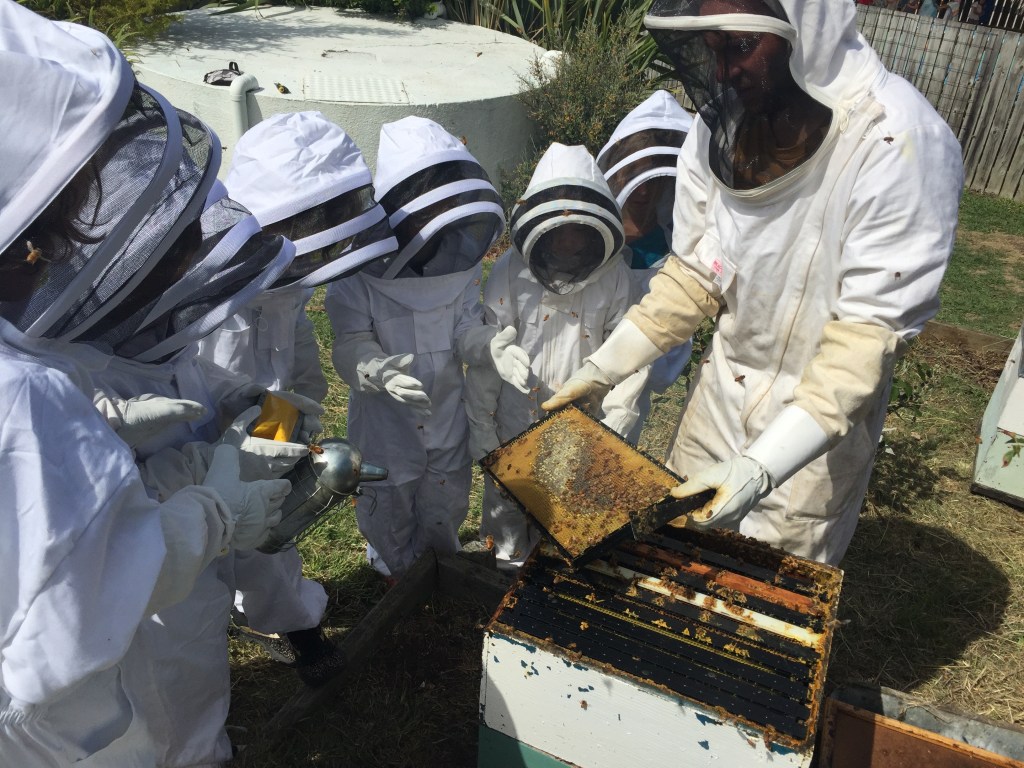
School beekeeping! 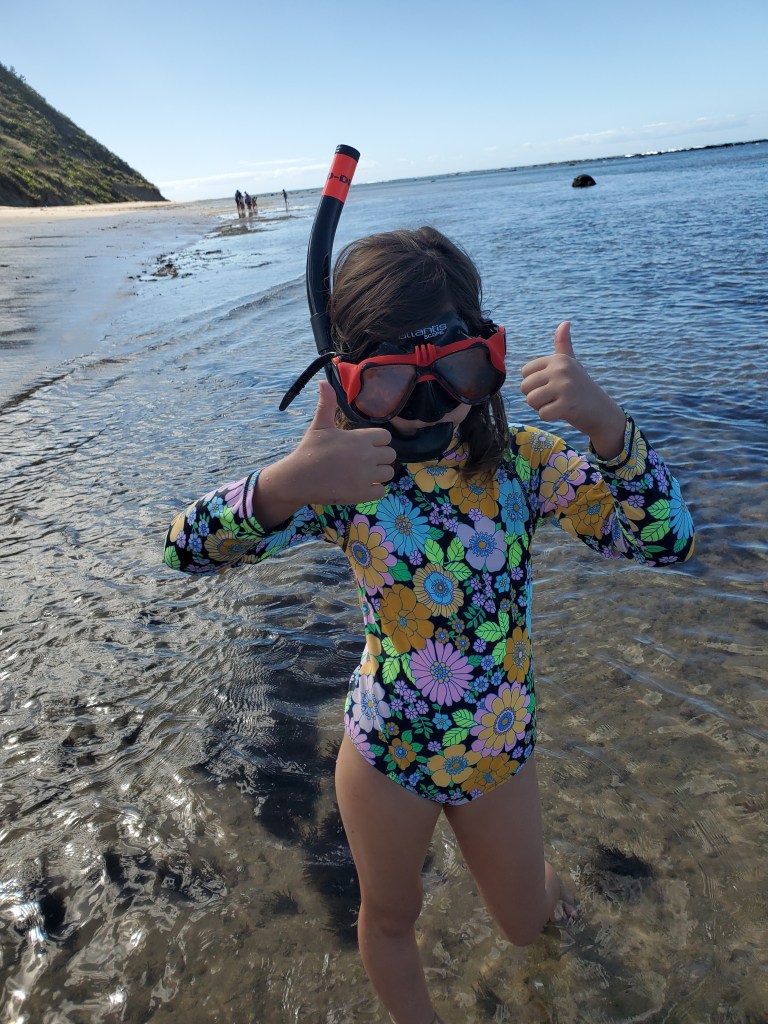
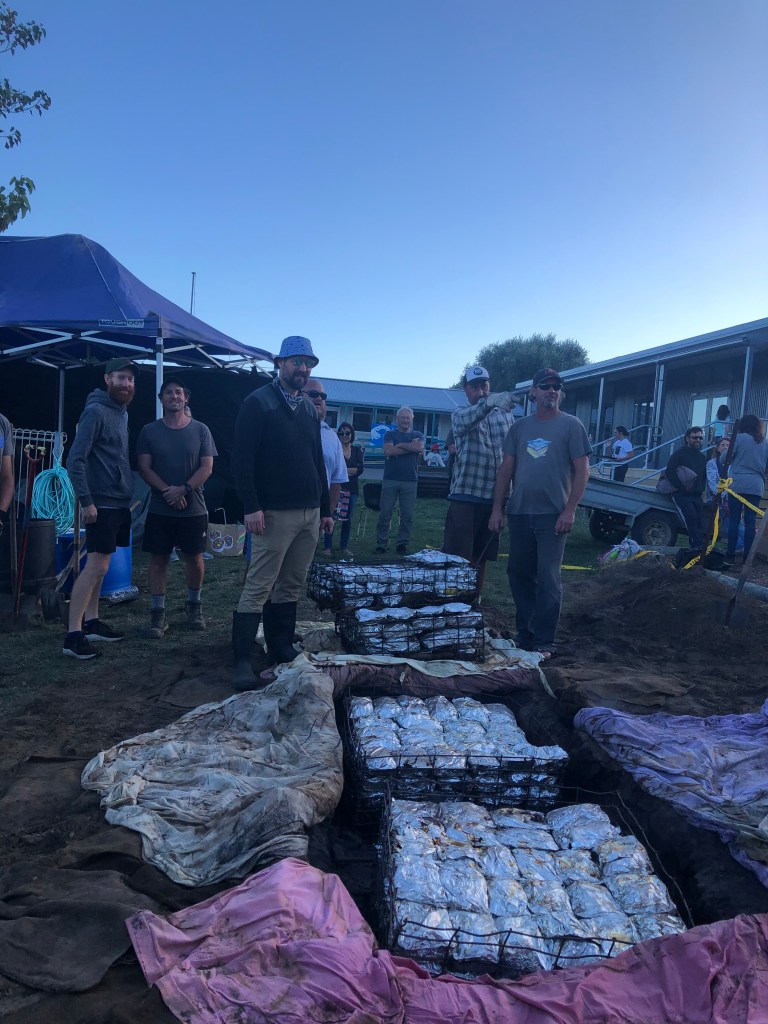
Michelle and I also volunteered to help out with the school’s annual hangi last week, which was a fantastic experience. A hangi is a traditional Maori feast steamed over hot stones in a pit dug into the ground. On Thursday I helped pack the individual meals and on Friday we showed up after the pit had been dug and the fire lit, but helped out the rest of the day. The whole experience was great, and I felt quite fortunate to have the opportunity to participate and get to know the people who have been doing it for years.
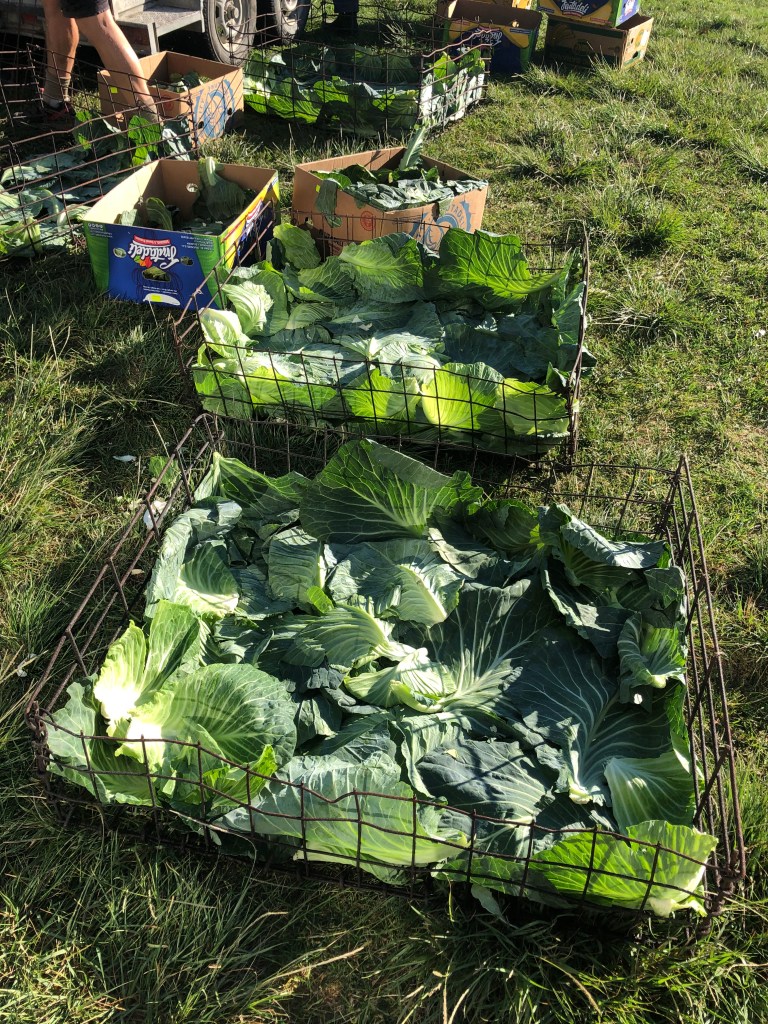
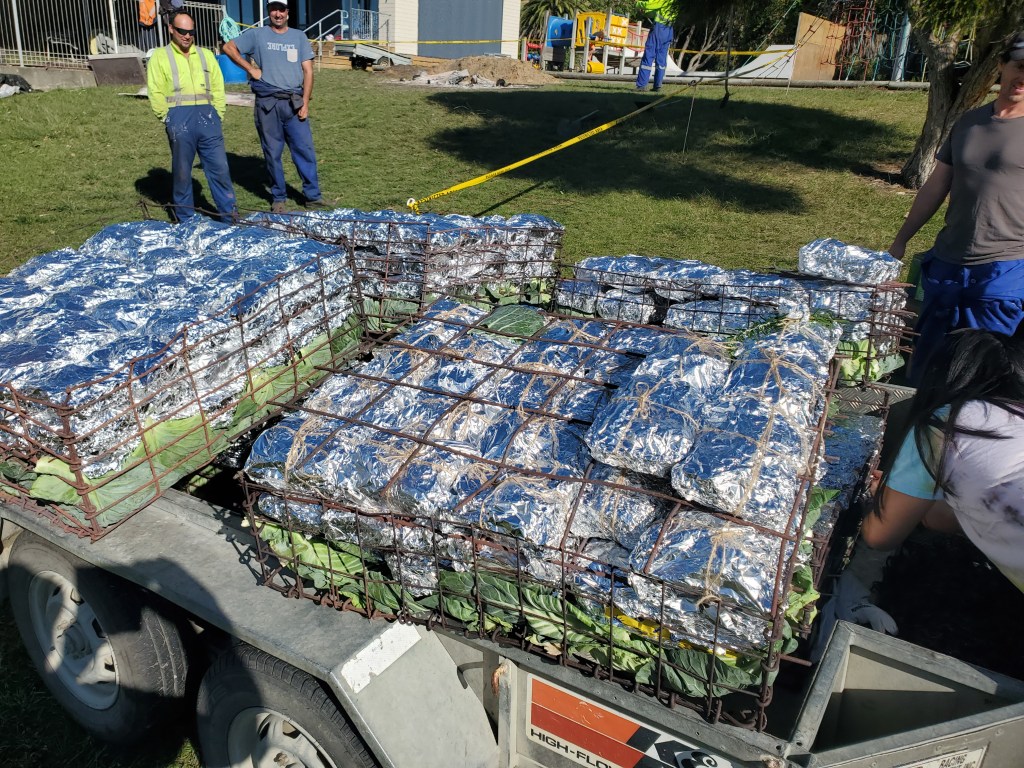
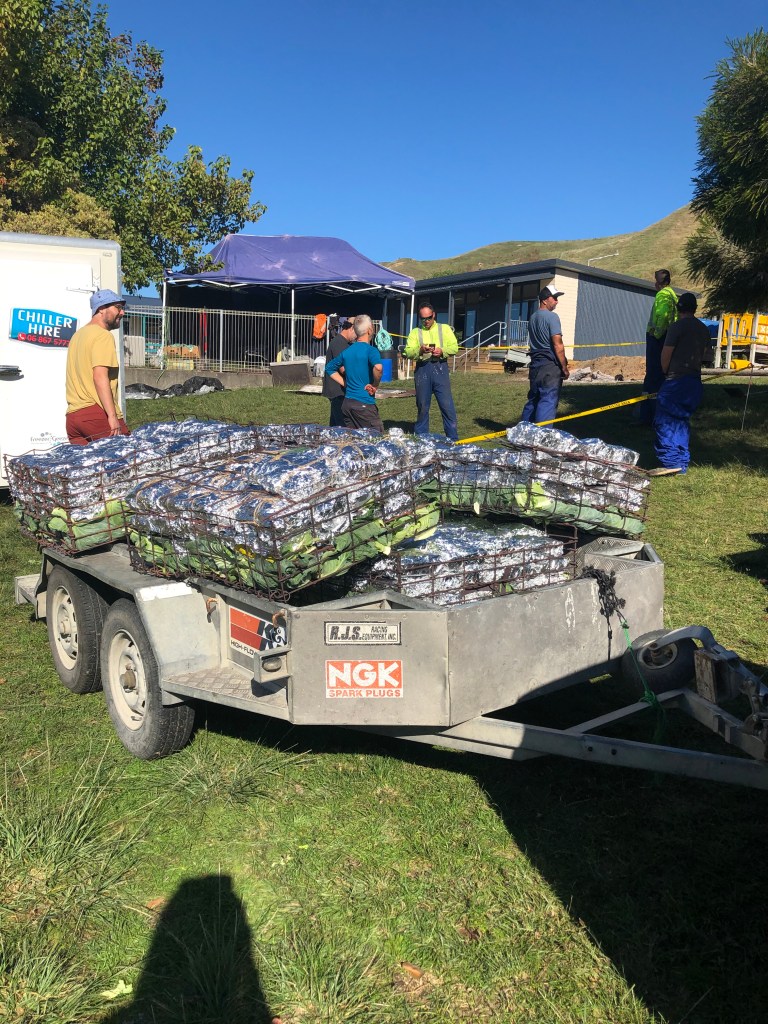
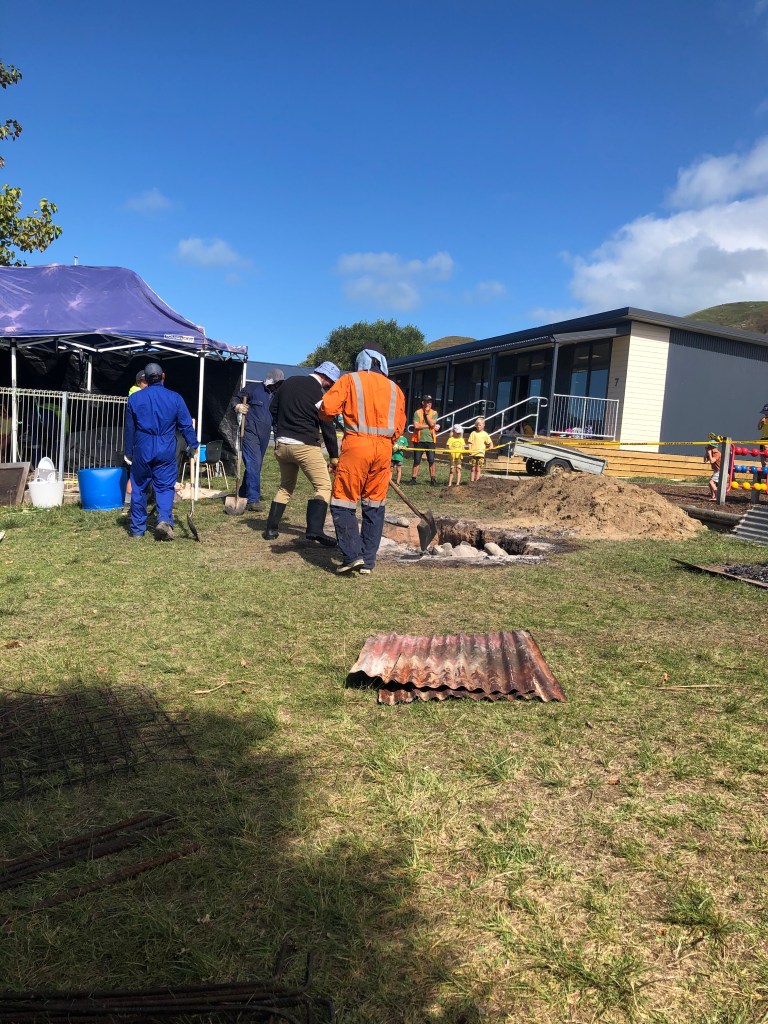
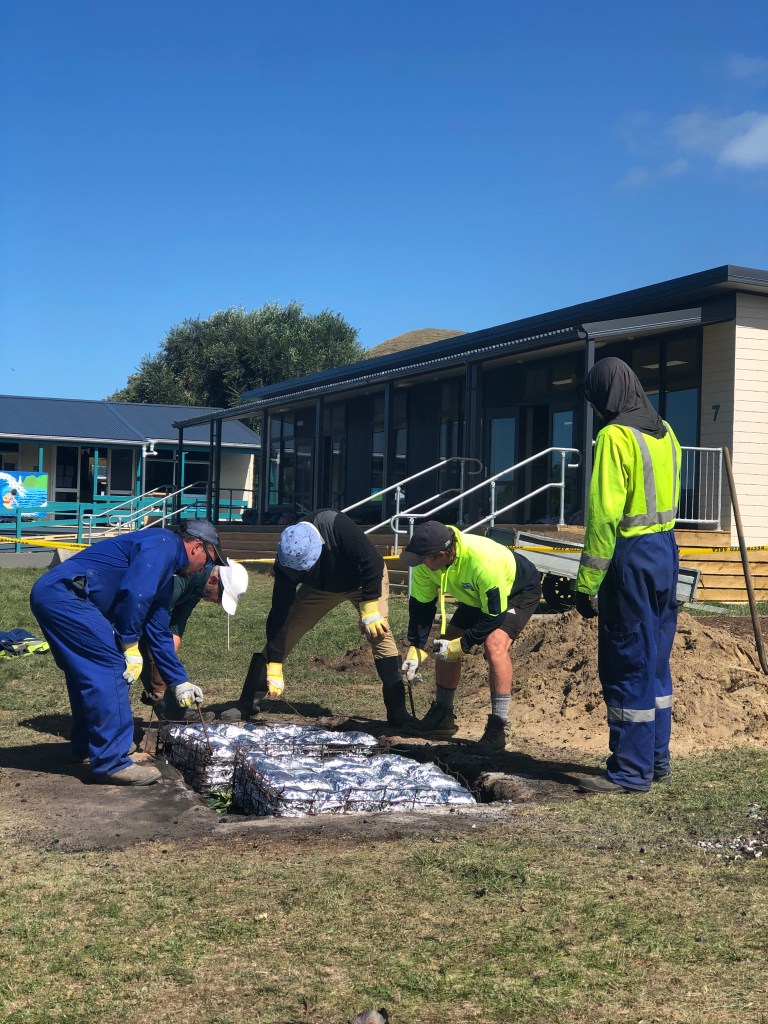
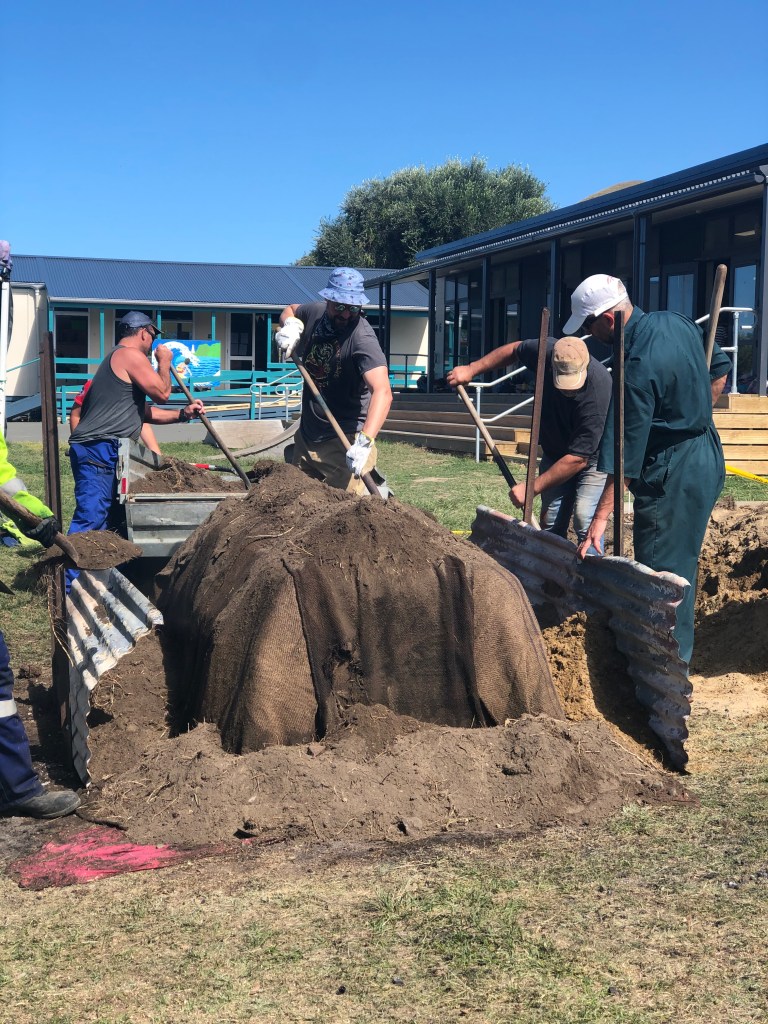
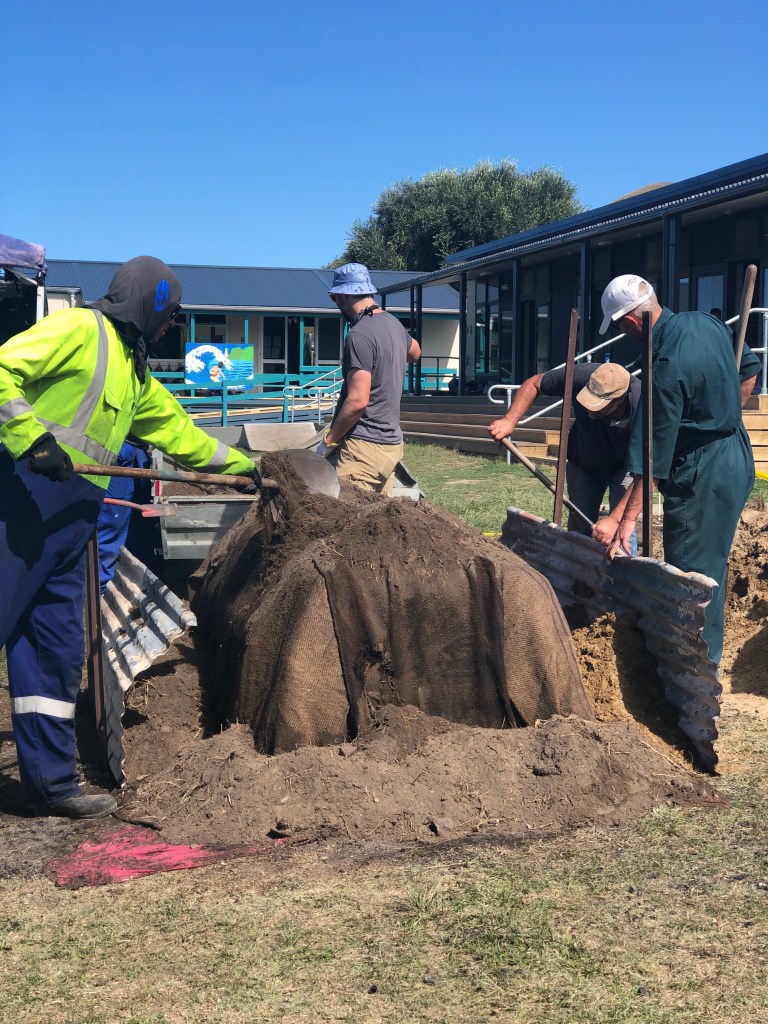
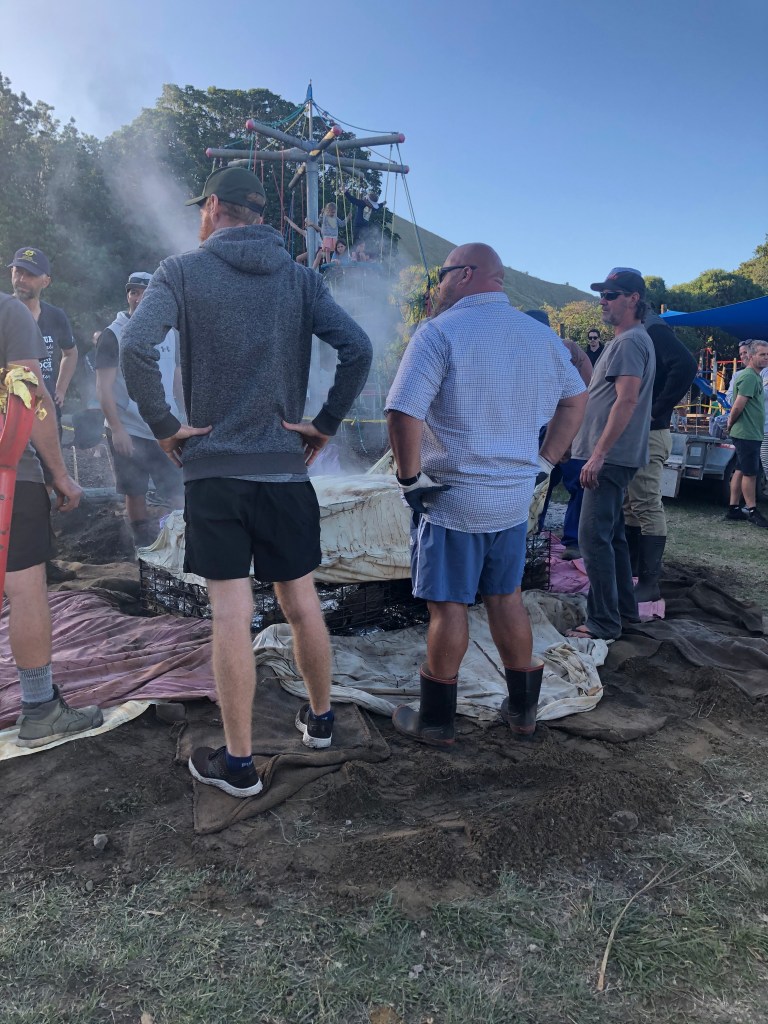
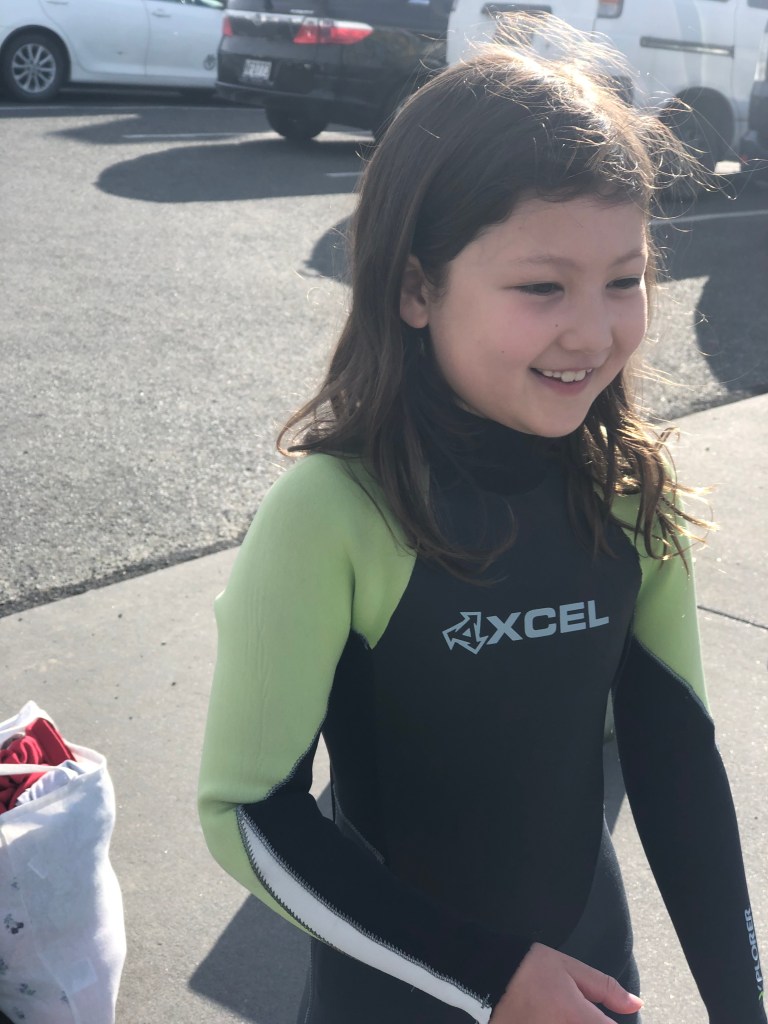
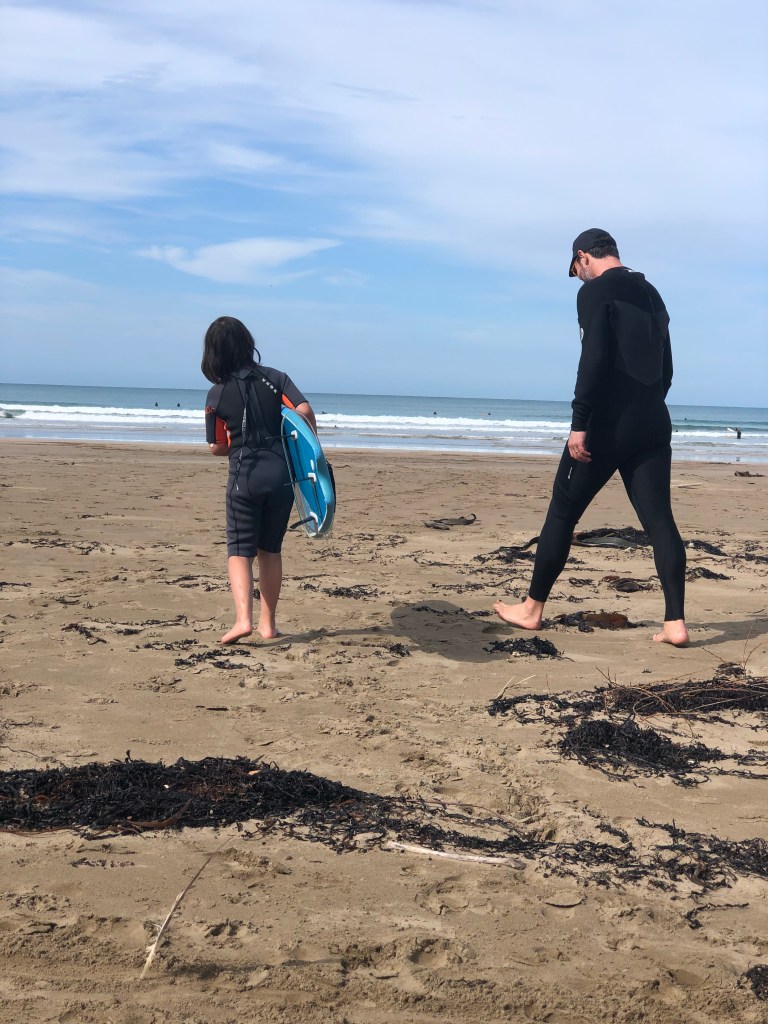
I think it’s easy for Americans coming to New Zealand to assume that there’s not much in the way of cultural differences, mostly due to the fact that we generally speak the same language. As our family is really just beginning to learn, there are actually some pretty big ones. Probably my favorite change, coming from New York, anyway, is that here there’s almost always time for a chat. Particularly in Gisborne, life is slower paced. And not so much work-focused. Part of that is just the culture of New Zealand, and part is the fact that Gisborne is at a bit of a remove from the rest of the country. I think some is also the surf culture — Gisborne has world-class surfing, and there are a lot of people who have moved here for just that reason. We’ve been pretty psyched to get into it, and Michelle and Maika had their first surf lesson last weekend, which they both loved. I picked up a board for the kids a surf swap the same day and then took Emlen up the coast where we hung out with another family from school and Emlen had a go at it himself. Since then we’ve borrowed another entry-level board from some very generous neighbors and are keen to get back in the water this weekend.
There’s also little tolerance here for the kind of “me first” behavior that frankly drove me pretty crazy in New York. Humor tends to be the self-deprecating variety, or the other-deprecating variety if someone is getting a little big-headed. One phenomenon I think somewhat related to this, and which I adore, is that you really never hear anyone honking their car horn here. Car culture is much more like it was where I grew up in Vermont and New Hampshire. You wave to the neighbors as you pass by, and pedestrians wave thanks when you stop for them to cross the street. It’s definitely a small town feel, and we’ve been repeatedly warned that this also means people will be up in your business and that there’s heaps of gossiping. As boring people, we’re cool with that. We’ve also noticed that people tend to be very polite and stick around to chat even after the point when they’ve really got to go. As a bit of a blatherskite, I’m going to have to watch out for that.
I’ve spent a fair amount of time over the last few weeks car shopping, and one dealer joked that he often provides a particular (and generous) service to “immigrants like you.” He found it kind of funny to call me an immigrant, but of course I am one. And though we’re obviously rather privileged immigrants, being in this role has been an interesting experience that I hope might give us a little insight into what life is like for the great number of people who move to a new country.
We’re still here on our initial six-month visa and we’re having a bit of an uncomfortable back-and-forth with Immigration New Zealand about our application for long-term work visas. This is causing us a fair amount of anxiety, as we’d really like to have a more secure legal foothold here in the country. In addition, even in the best case scenario, we won’t be able to buy property for at least two years (also a visa issue), which means that we are at the mercy of the rental market. And there simply aren’t that many rental properties. We got lucky with our current situation, which is a lovely house in a lovely neighborhood, but the rent is definitely on the high side. In addition, until we get our next visa I’m not allowed to work (this is, of course, a mixed blessing, as I am very much enjoying volunteering at the school, going for lots of runs and bike rides, and look forward to getting into the water more often).
As non-citizens, banking and car registration and drivers’ licenses and all sorts of other banal details of modern life are a bit more complicated, which also adds stress. And of course, being new to the country, we’re still figuring out what works differently here and what’s the same, which means that many interactions are rather awkward as we try not to make any assumptions or step on any toes. In view of just how challenging this has been for us despite our various advantages, I have newfound respect for those who have made much more difficult and risky journeys in hopes of giving their kids a better future, including my in-laws and distant relatives who immigrated to the U.S. many years ago. Not to mention those living it now, often fleeing oppression and dealing with far more serious challenges like economic insecurity, family separation, and racial discrimination and violence in their new homes.
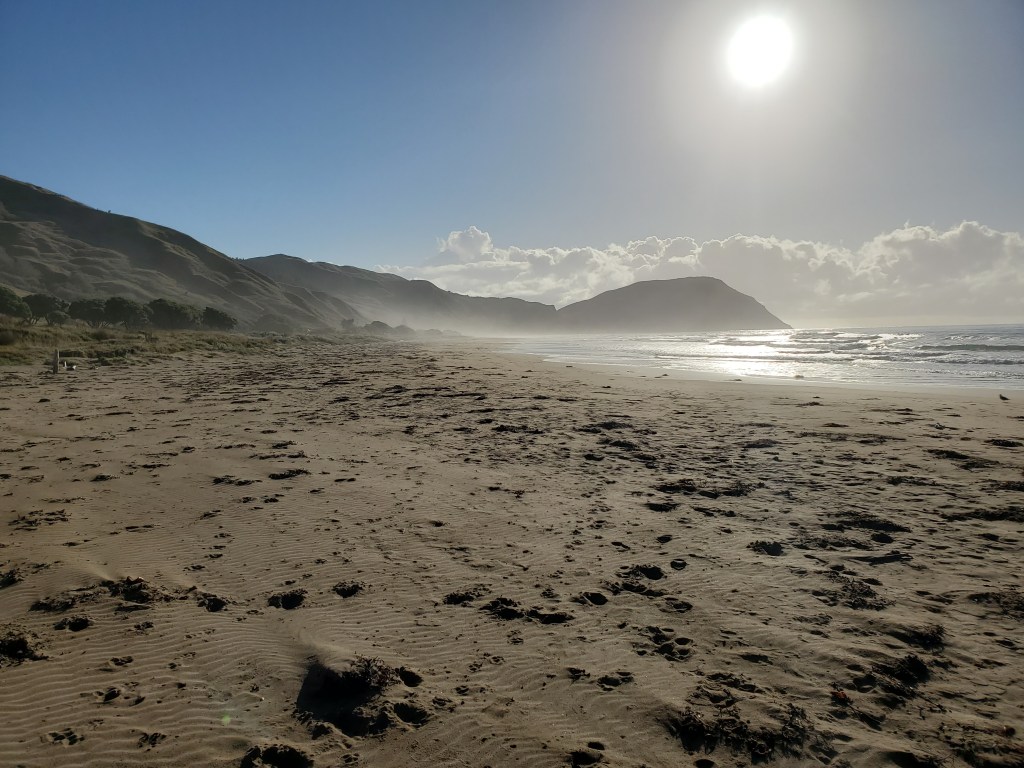
In any event, we’re immensely grateful to have had this opportunity. There have been challenges like the visas and the earthquake and figuring out how to buy a car, but again, it’s a small price to pay for life without COVID, and for the privilege of living in this lovely community in this beautiful corner of the world.
 From NY to NZ
Your freedom of movement and activity I’m drooling over, while her Covid is continuing to spike. Excellent time for you! I love the traditional events around you. Hope you find a good friend of two. Love, Carol
(So far we boiled 55 taps of sap down to 6 gallons.)
LikeLike
Love the posts, keep ‘em comin’. Sounds like an amazing place!
LikeLike