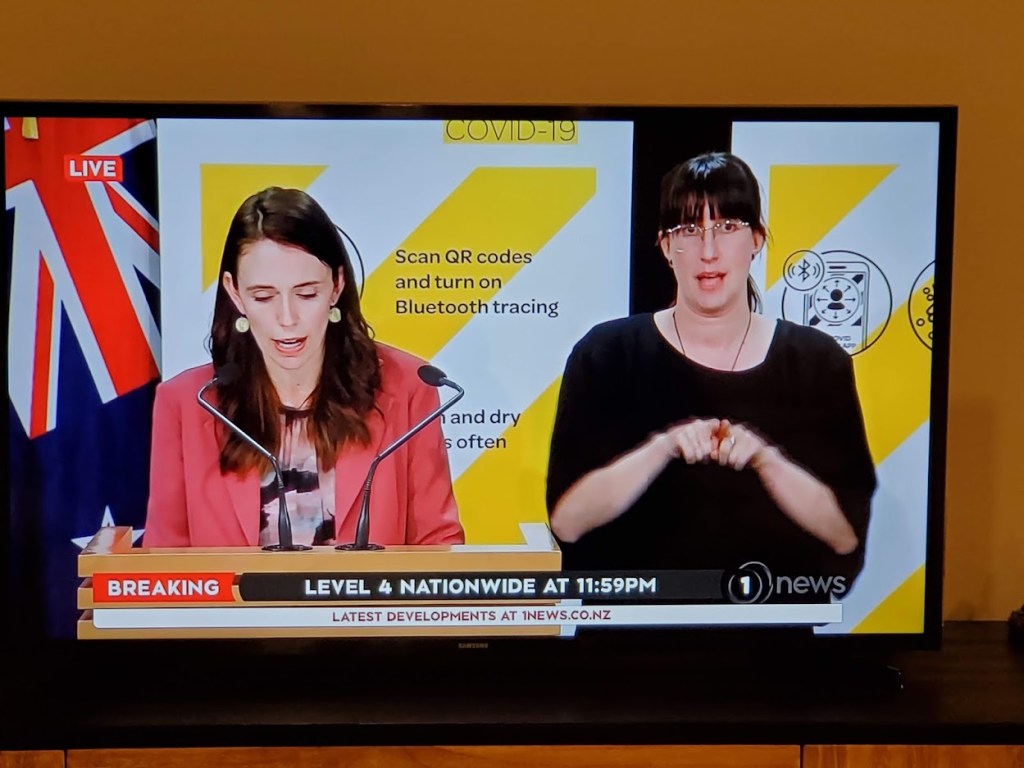
Last Tuesday, New Zealand went into lockdown after a case of COVID-19 was identified in the community, the first case of community spread for over a year. There have been other cases in the interim – lots of people coming into the country test positive while they in Managed Isolation Quarantine (MIQ), and while we were in MIQ back in February, there were a handful of cases in Auckland that caused the city to go into lockdown for a few days and the rest of the country to go to Alert Level 2. Those cases were pretty quickly traced back to an MIQ facility – if I recall correctly, a family was exposed by their high school kid, who got it from her secret sweetheart who worked in an MIQ facility. Juicy stuff.
The current lockdown was in reaction to the positive test of a 58-year old with no connections to MIQ. He had traveled from Auckland to the Coromandel, a rather hot tourist destination, during his infectious period. So the whole country went into lockdown while the government went to work tracing his movements and contacts, and their movements and contacts, and so on and so forth. Ten days in, over 250 people have tested positive, and they’ve traced the source of the outbreak to an individual who returned from New South Wales a few weeks ago, during the period of NZ’s “bubble” with Australia.
The country is at Alert Level 4, which means everything is closed save essential services (e.g. hospitals, grocery stores, gas stations) until at least this Friday. We’re allowed to exercise in our neighborhoods, and to shop for groceries. We are supposed to wear masks except when exercising, and social distancing is back in. The kids are back to distance learning. We’re awaiting an announcement in the next couple days as to whether we will continue at Level 4, or move to Alert Level 3, which would allow restaurants to start offering take-out.
So we now have the dubious distinction of being one of the few families to experience lockdown in both the USA and New Zealand. For the first week I didn’t want to face the reality of it and stayed in the house with the kids, basically burying my head in the sand. Then a few days ago I took a trip to one of Gizzy’s mellower grocery stores, and chilled out a bit as I faced the reality of lockdown here, which is of course not nearly as terrible as one imagines holed up at home.
It’s kind of funny how similar it is to the experience in New York. Toilet paper and baking supplies are in hot demand. The shelves of the major grocery stores are pretty bare. The natural world is flexing, birds filling the gaps left by humans and our cars. I went for my usual run two days ago, and it seems half the town had the same idea. A lot of new faces. The beach was a hot ticket, too. Lots of families making sandcastles, having picnics, walking dogs.
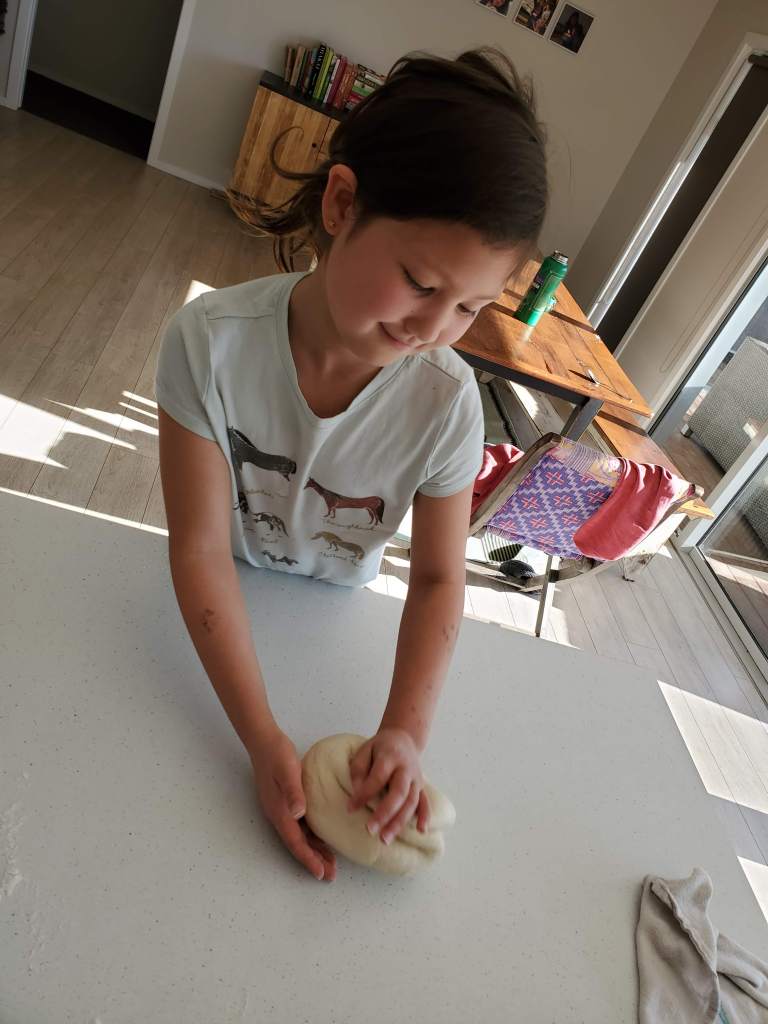
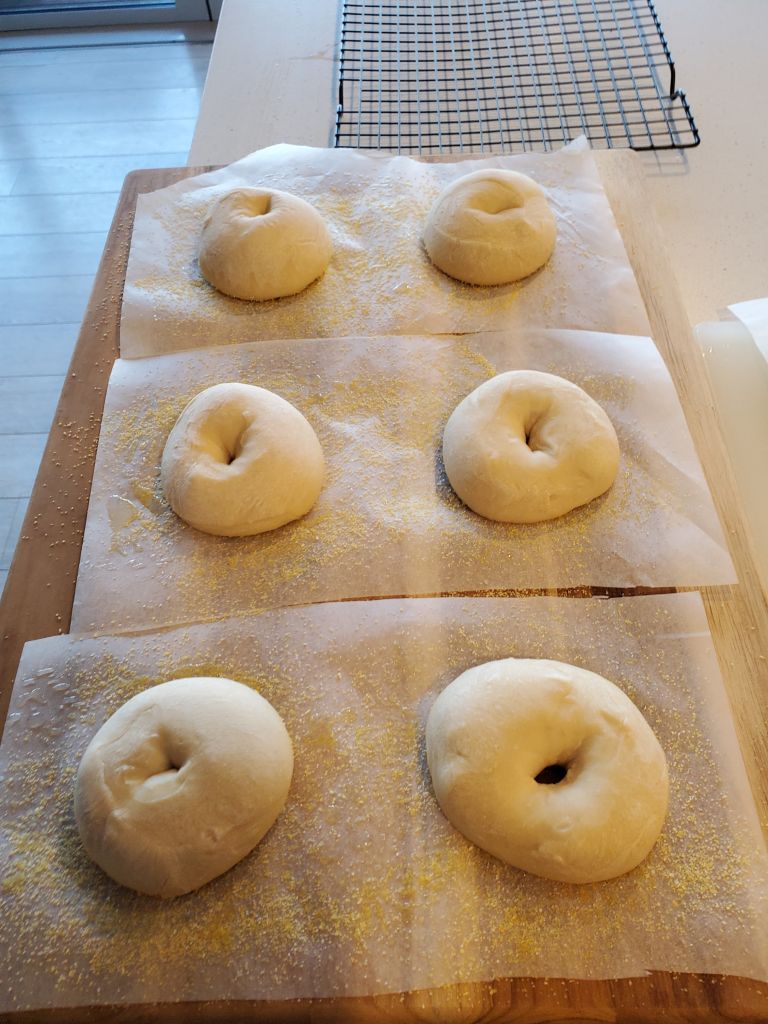
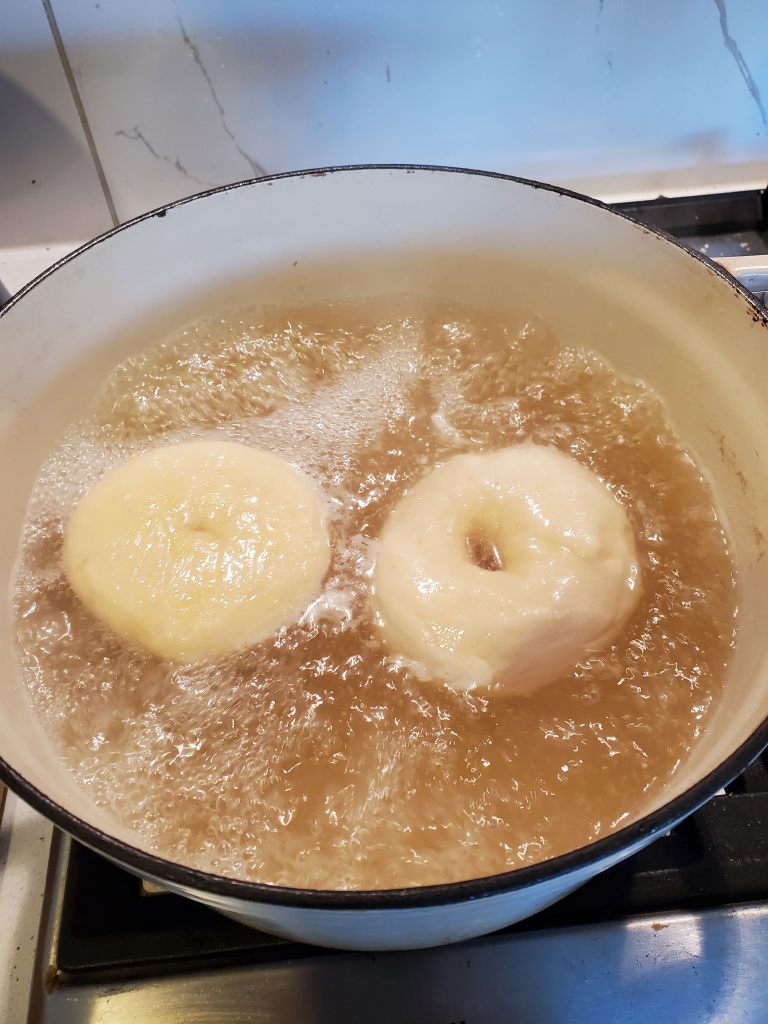
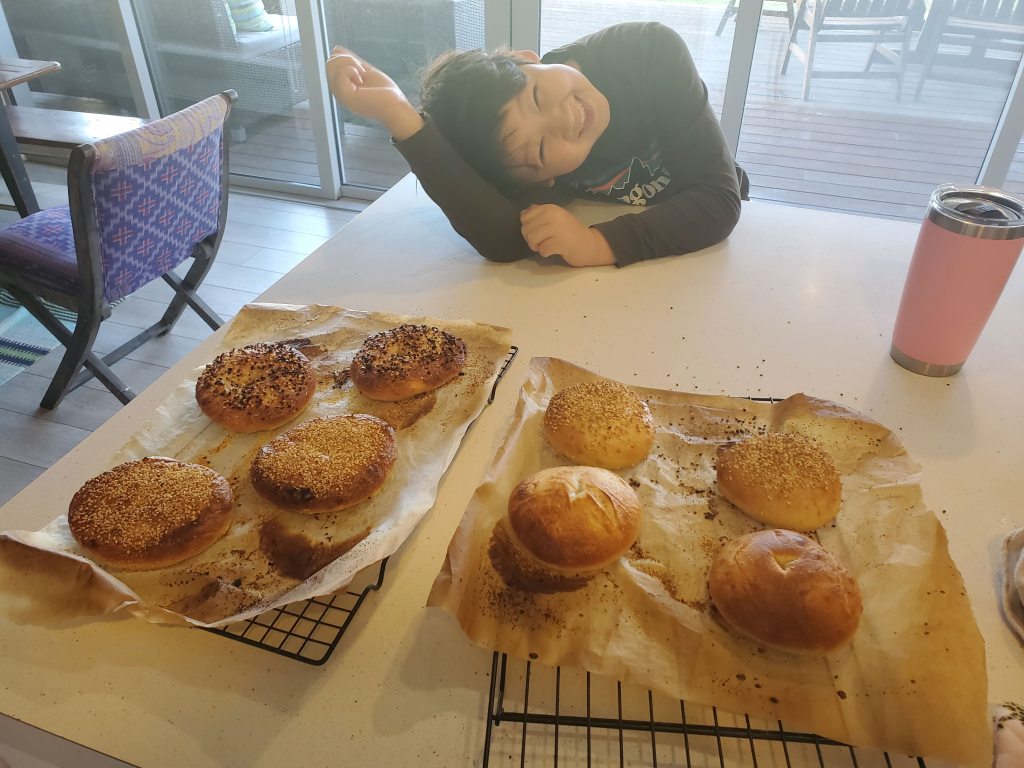
This lockdown we’ve taken up bagels. As noted in a prior post, we’ve found the food here pretty amazing, but bagels are a sad exception. New Zealand is rich in many things, but a Jewish community and the culinary riches that follow are sadly lacking. We’ve been pretty happy with our early attempts, though there are still wrinkles to work out. I’m coming to terms with the reality that one can be a person that posts pictures of their bagels on Instagram or a person that posts pictures of their abs on Instagram, but not both. Prior to this lockdown, I was optimistic about my prospects in the latter category. Lately I’m facing the (albeit delicious) reality that I’ll likely remain the former for some time.
The lockdown is of course an opportunity to engage with our friends and acquaintances online about their theories on the vaccine, socialism and conspiracy theories more generally. I’m afraid that the plague of Trumpy Q-Anon-type thinking is alive and well in New Zealand, though it does seem to be a less infectious strain than in the U.S. For the most part, people here are getting vaccinated, which is of course consistent with the way that the “team of 5 million” has generally handled the pandemic, sharing sacrifices like this lockdown in order to keep country virus-free. To date, there have been 3,159 cases of COVID and 26 COVID-related deaths in the country, and people are able to live pretty normal lives here, save the absence of international tourism, workers, and somewhat greater difficulty getting goods shipped from overseas. The per capita death rate here is 400 times less than the UK. Seems pretty impressive from a public health perspective, and while the economy has certainly taken a hit, NZ is arguably better off in that regard than countries that have put dollars ahead of lives, too (e.g. our unemployment rate is at 4%). It bears note that New Zealand’s health care system is under-resourced and understaffed, so that if COVID did start spreading through the community, we’d likely be overwhelmed pretty quickly. Happily the vaccination process is well underway (though also well behind the US – in part because of the fact there was no COVID here, the government did not expedite the approval process, and it seems Pfizer also prioritized delivery to countries with outbreaks).
Lockdown has also been an opportunity to reflect on our first impressions of NZ and how we’ve adjusted to life here. We’re now a little over six months in, having almost made it through our second straight winter.
On our first night in this house, I awoke to the sound of some kind of creature walking across the floor in the living room, which was rather anxiety-producing. After checking on the kids, I searched the house while running through the rather short list of four-legged critters that inhabit these islands. I wondered whether it was common for possums to get into people’s houses and reassured myself with the fact that the country is rabies-free. I realized the next morning that I’d left a window open overnight (screens are a rarity here, as bugs aren’t really that much of an issue, at least in this part of the country), and we ultimately decided that it had probably been one of the feral cats that roam the neighborhood. A few days later I paid my first visit to the local coffee shop, by the beach just about a mile down the road, and was delighted to find that there was a horse hitched up outside. And of course a few days later we had the earthquake. At the time, we didn’t have much context to figure whether these were one-off experiences, the new normal, or something in-between. Happily, there haven’t been any more late-night visitors or big earthquakes in the last few months.
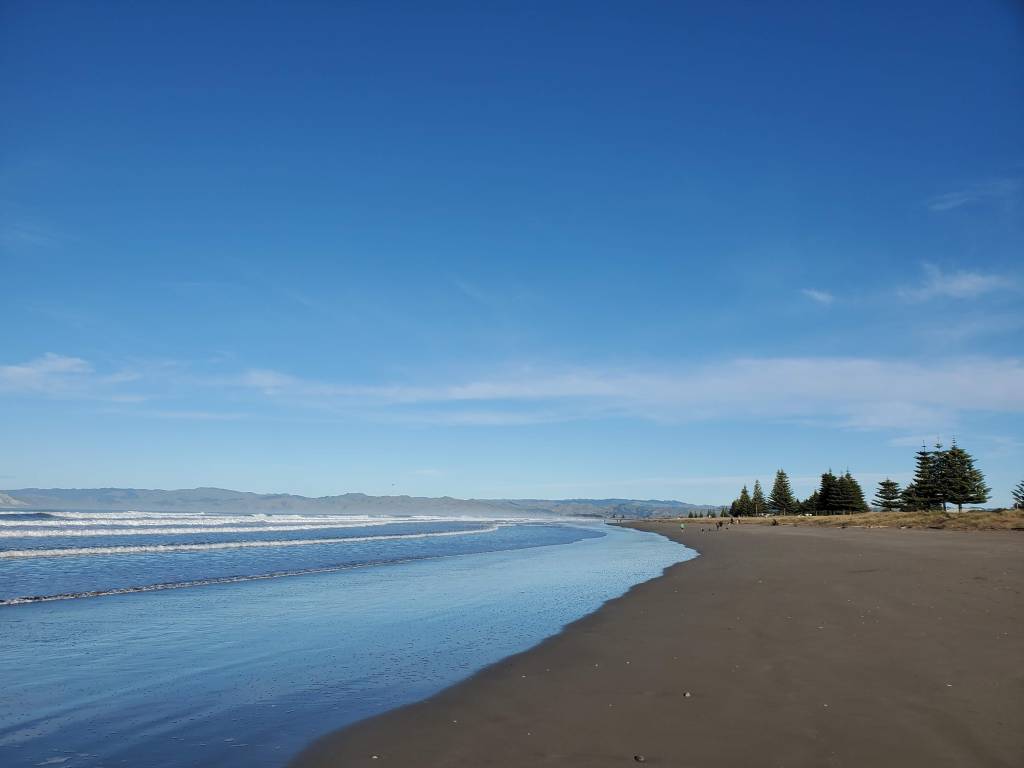
There are, it turns out, quite a few horses down at the beach, though, and I am always delighted to see them. This is apparently one of the few beaches in the country with no restrictions on horseback riding. With respect to other early expectations, we definitely consume fewer meat pies than it seemed we would in those early days (thank God). I have wholeheartedly adopted cookies and leather as my new deodorant, though I’m afraid “48-hour fresh” is an exaggeration to say the least. As a family we’ve taken various approaches to the linguistic differences: Michelle and the kids say “tomahto” and Emlen has taken to calling me “bro,” which I happily reciprocate. We all say “sweet as” and the kids wear jandals if they wear shoes at all.
Gizzy is quite a rural community, with lots of farming and logging, and thus a lot of utes (pickups) and gumboots (the Kiwi term for what we’d call muck boots in VT). The most common utes are the Hilux (as we expected) and the Ranger, which Ford never stopped selling here (they did in the U.S. for about a decade). There’s quite a lovely and, from what I can tell, universal practice of removing your gumboots before entering a restaurant or other public space, and so you’ll often see a pair or two of boots lined up outside a restaurant, and people inside in work clothes and stocking feet. Of course, being a cruisy beach community, shoes are optional pretty much everywhere, including school, cafes and the grocery store, and bare feet are ubiquitous. We all are much delighted by this happy discovery. Also, I have to say that TV here is excellent, especially the news and commercials, some of which are hilarious and some wonderfully sentimental, and remind us a little of American TV in the 80s.
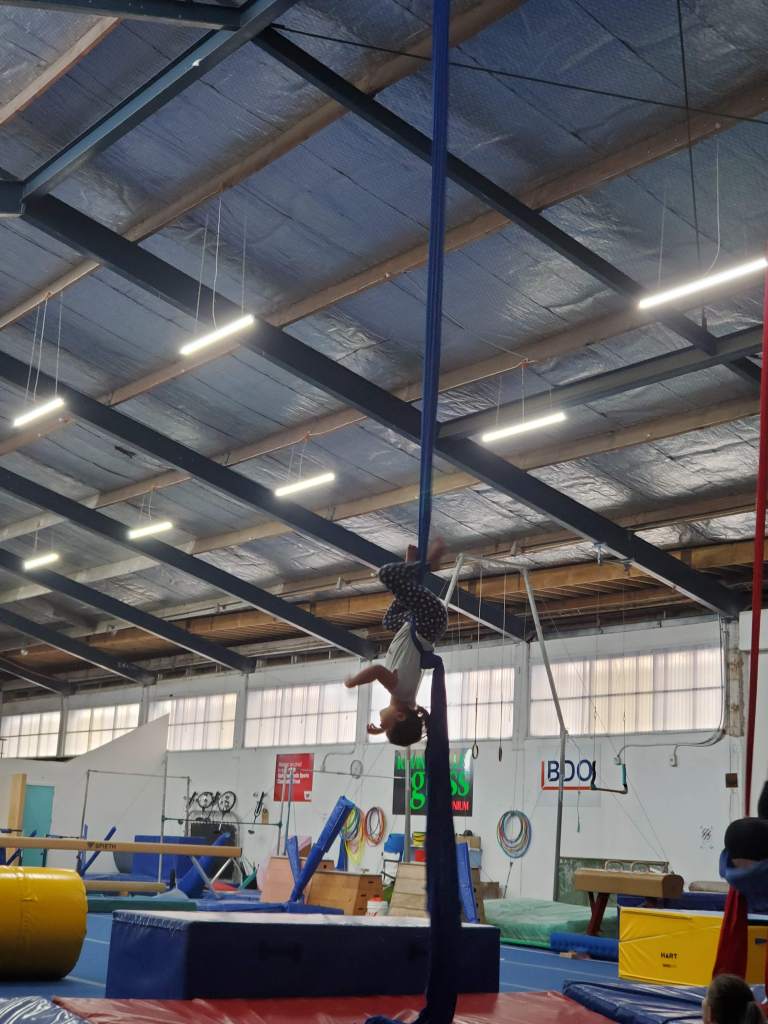
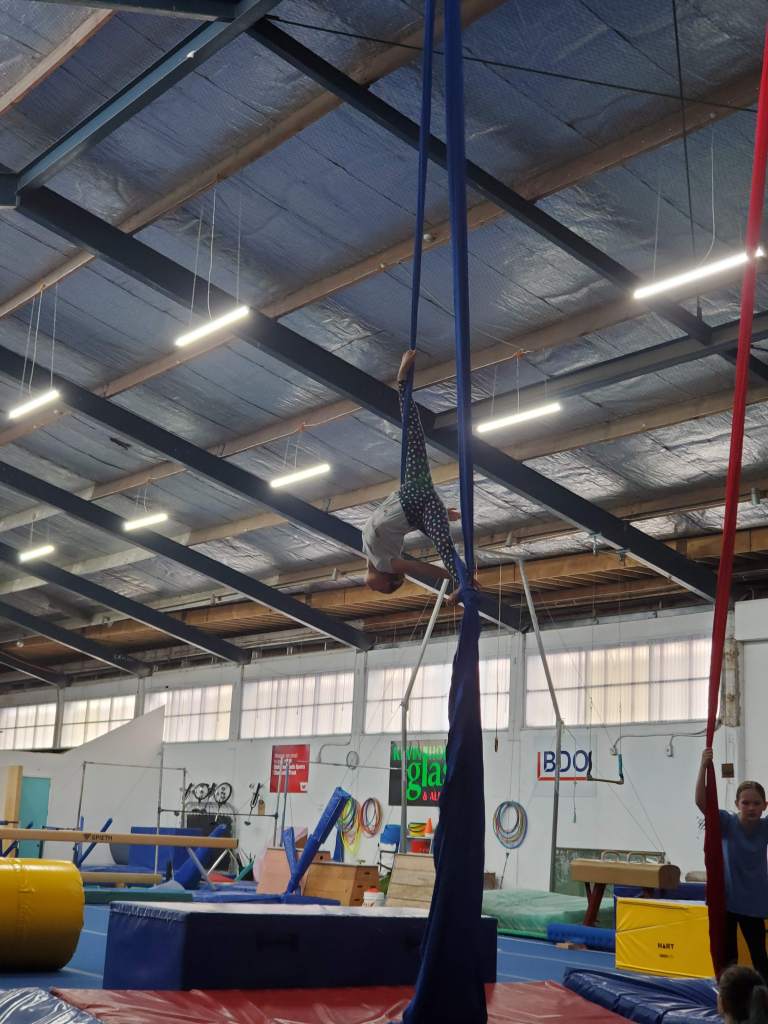
We’ve also been struck by how pleasant life is when decisions aren’t driven by concern about legal liability. Obviously, for Michelle, practicing medicine here is quite different, though the liability issue is just one factor of many. What with public health care and accident coverage, the kids also have a lot more freedom at school to climb trees, skateboard, and take snorkeling field trips (as early as age 6!), and of course, beekeeping. For school pick-up, we parents are encouraged to come onto the school grounds and wait by our kids’ classrooms. On a similar note, it’s hard for me to imagine aerial silks classes for kids in the U.S., at least in Westchester. Adjusting to this reality has definitely brought out the risk-averse American in me. I found it a pretty nerve-wracking to watch my 8-year old hanging from a piece of cloth 20 feet above the floor, but she loves it and is really quite good at it, so . . . yeah, I’m still freaked out.
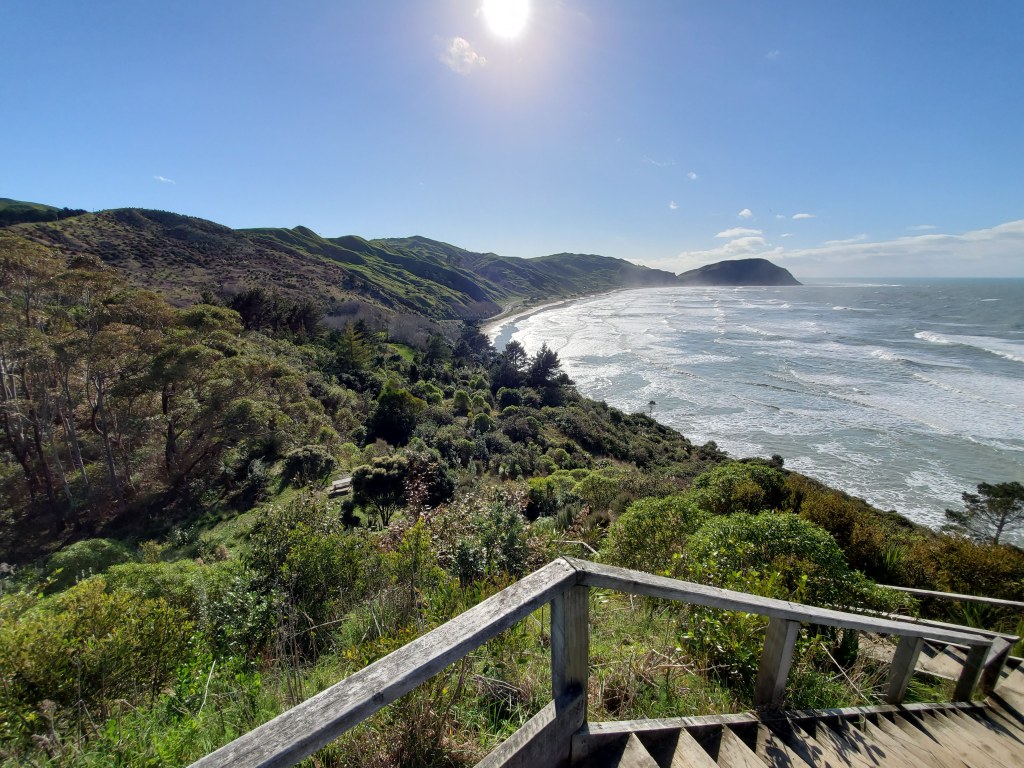
It wasn’t until a few days after buying our second car here, and sitting in the parking lot assiduously arranging car insurance, that I realized that car insurance isn’t actually a legal requirement and only covers damage to the vehicle. We kept it anyway. And although the majority of the rural land here is private, it seems the owners are generally happy to allow hiking and running on their trails, so long as you don’t mess with the livestock. Both Michelle and I have both been running quite a bit, and though it’s a challenge to find new trails as a newcomer to the community, my regular run takes me to my favorite place in Gizzy, maybe in the world. And on that note, I’ll leave you with a picture of it!
 From NY to NZ