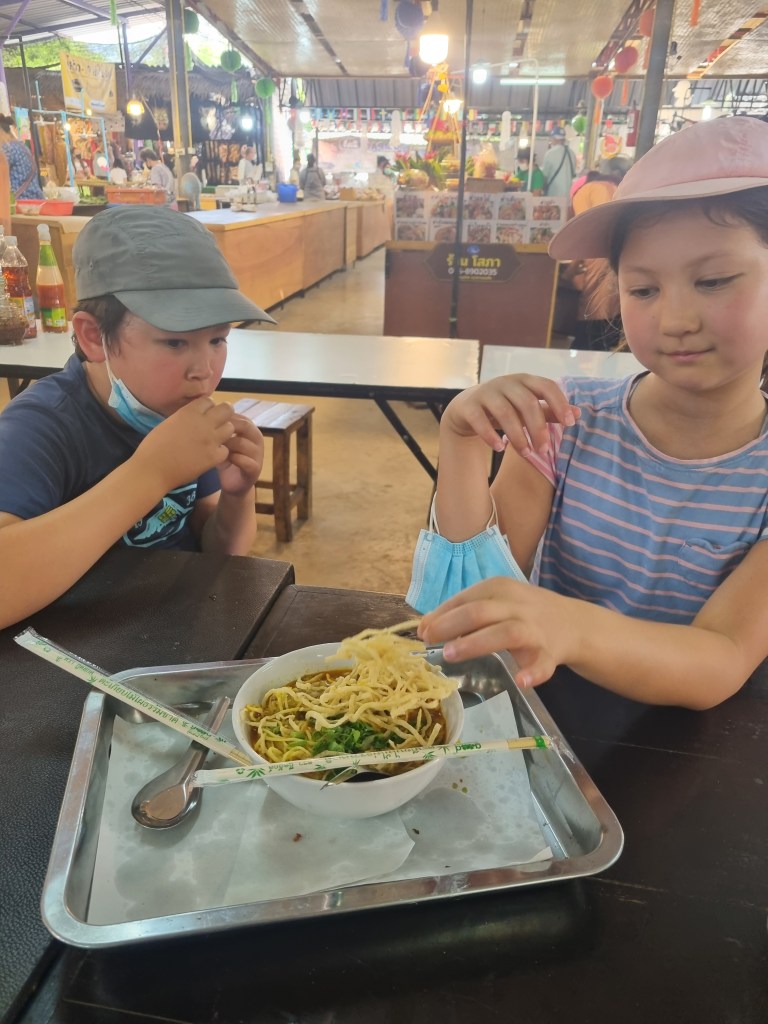
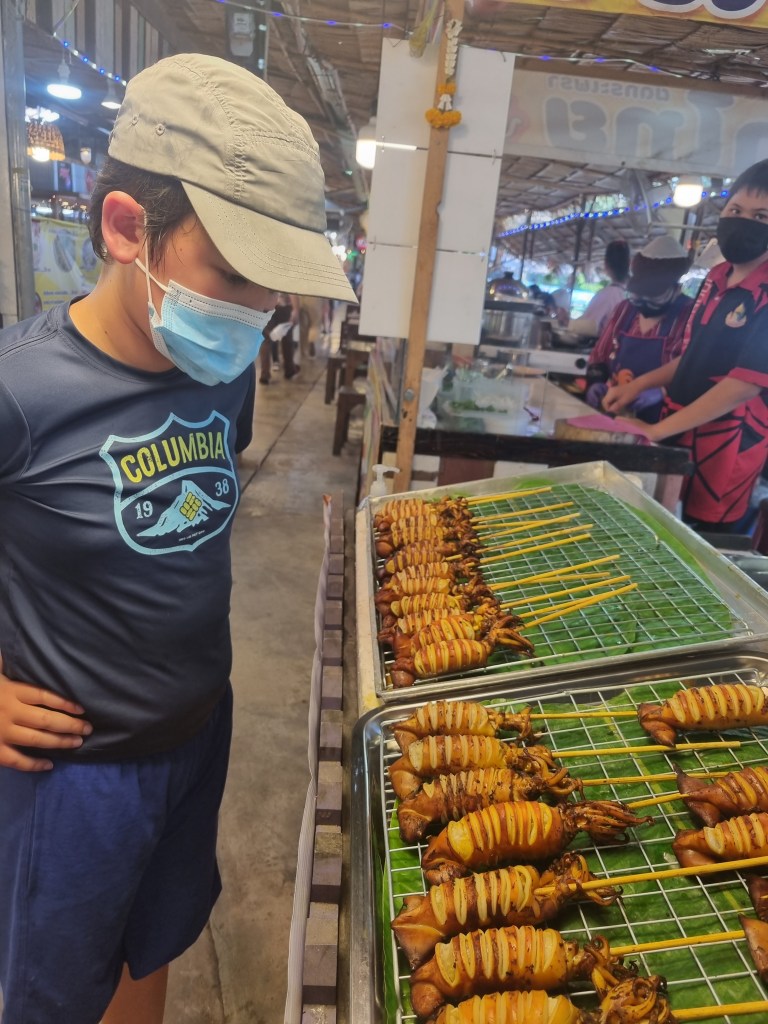
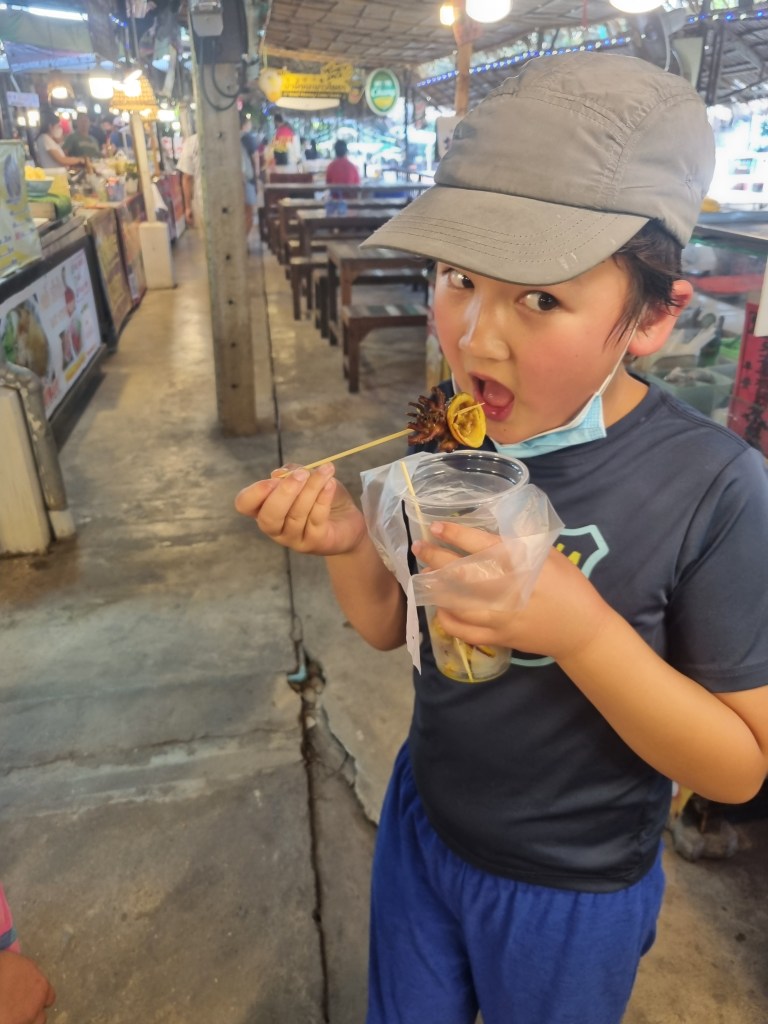
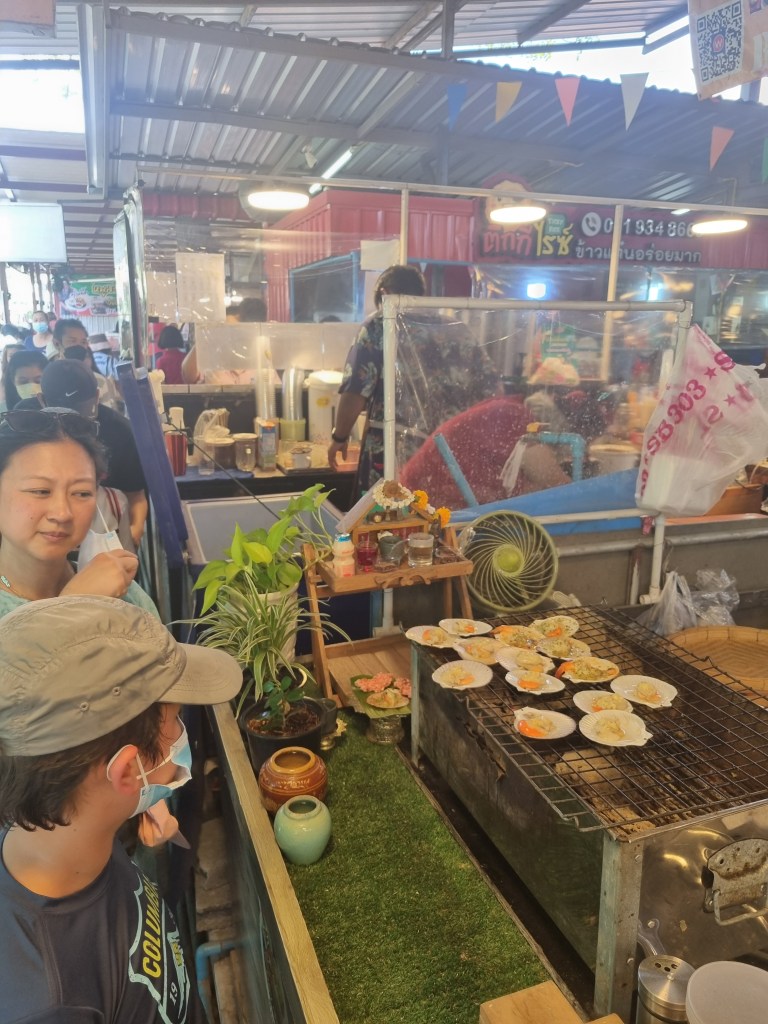
Michelle’s job here affords us the opportunity to take long vacations, something we were unable to do in the US. So in December we spent 20 days in Thailand. We flew to Auckland, Hong Kong, and then Bangkok, by which time we were pretty well befuddled. The drive from the airport to our hotel took about forty minutes, and we arrived around ten PM. Bangkok impressed us even that first night as a city that truly never sleeps, and it was tempting to stop at one of the many night markets that we passed on the way in.
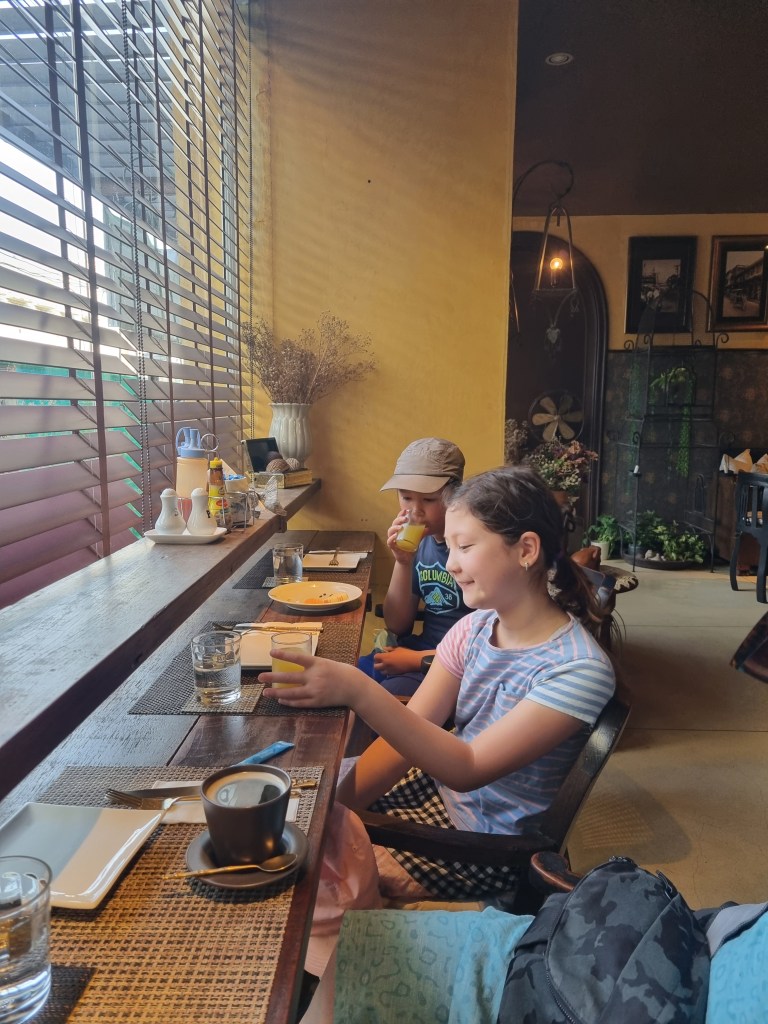
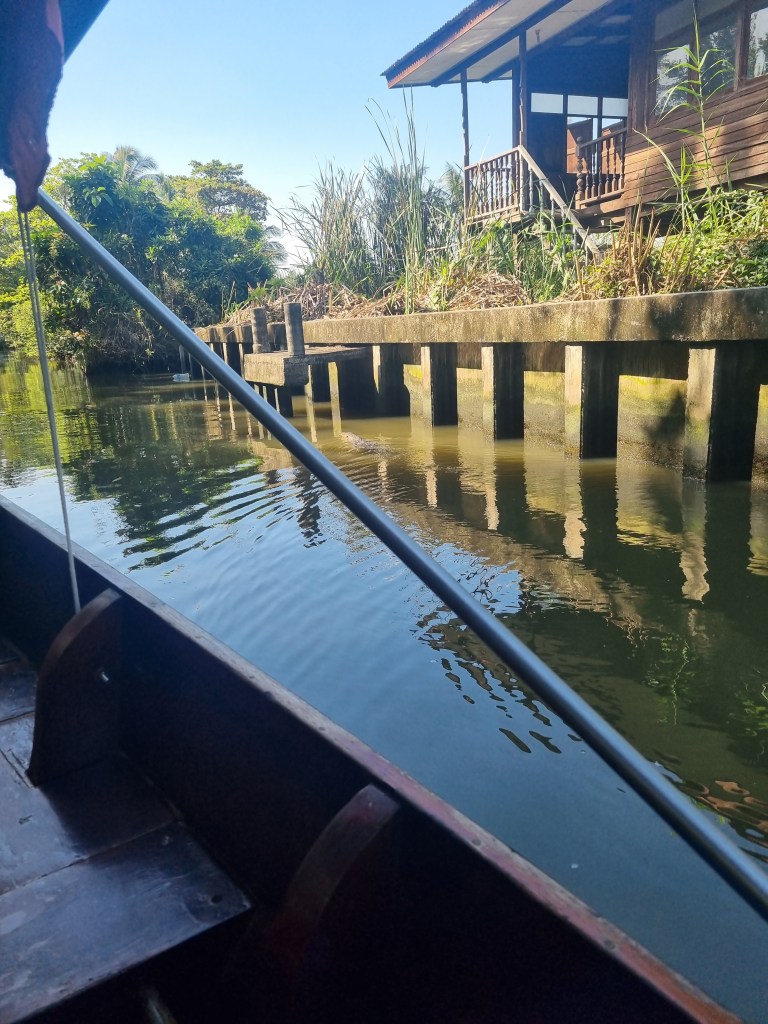
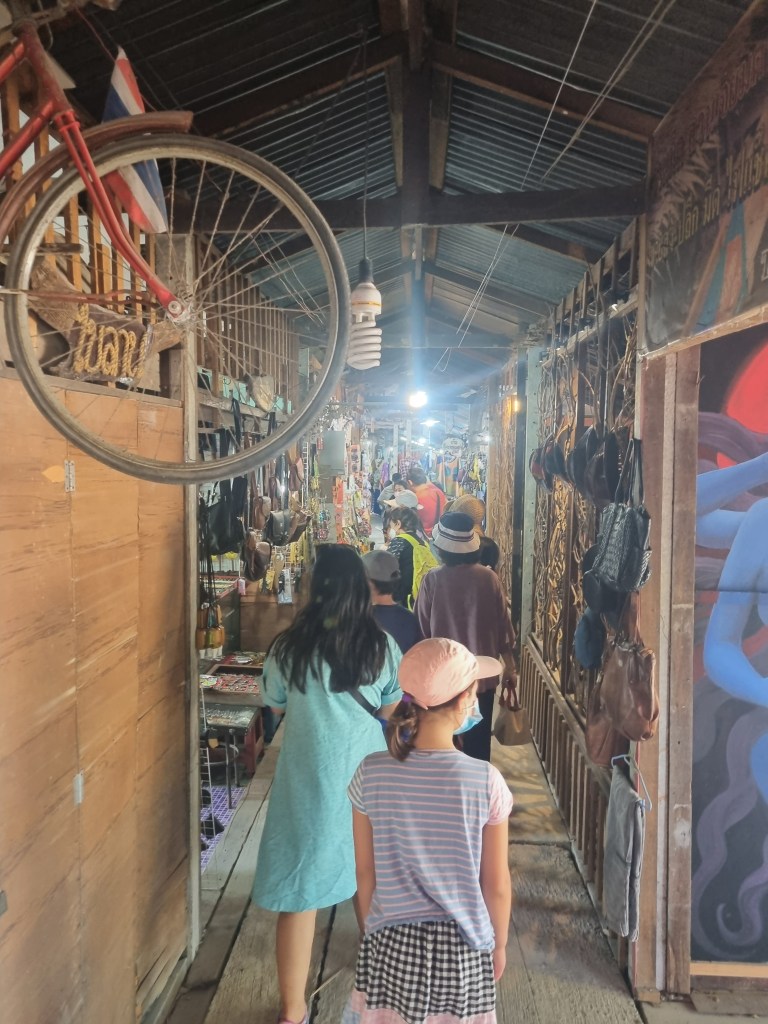
Best breakfast ever.Boat ride in the canals.Exploring the floating market.
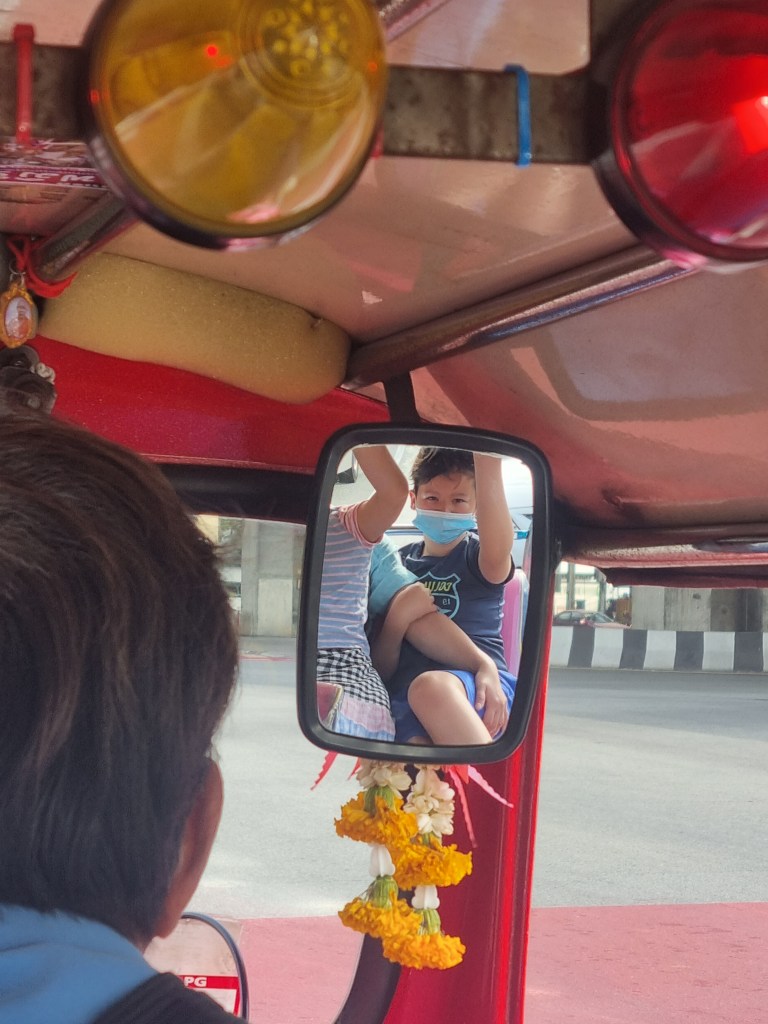
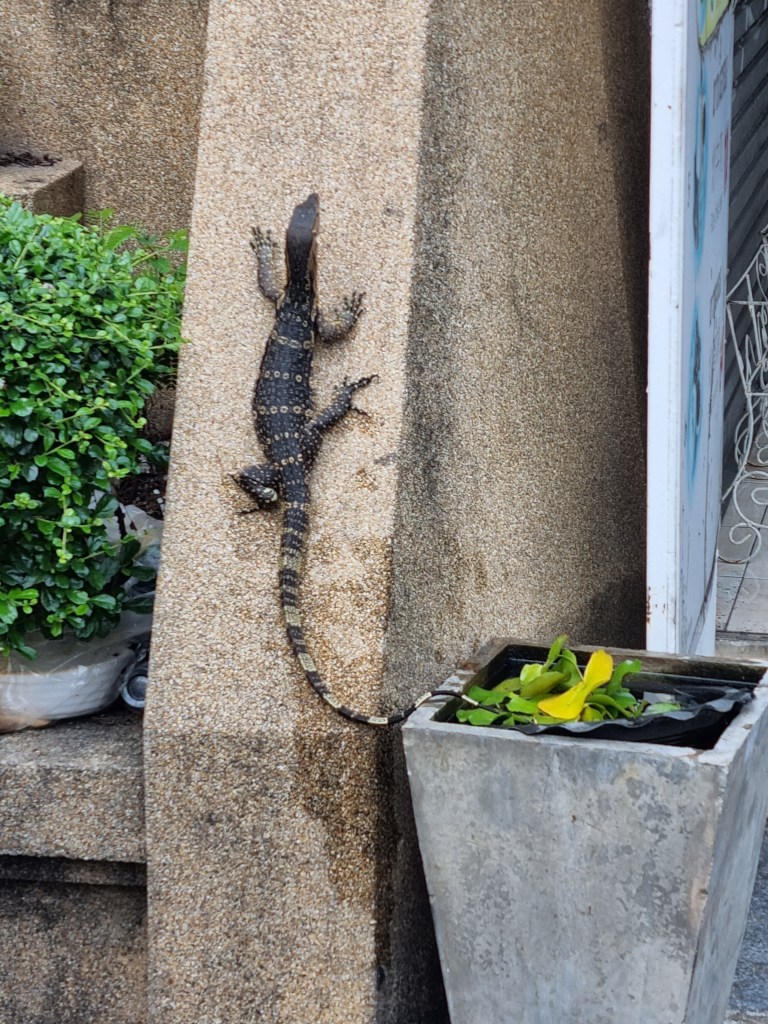
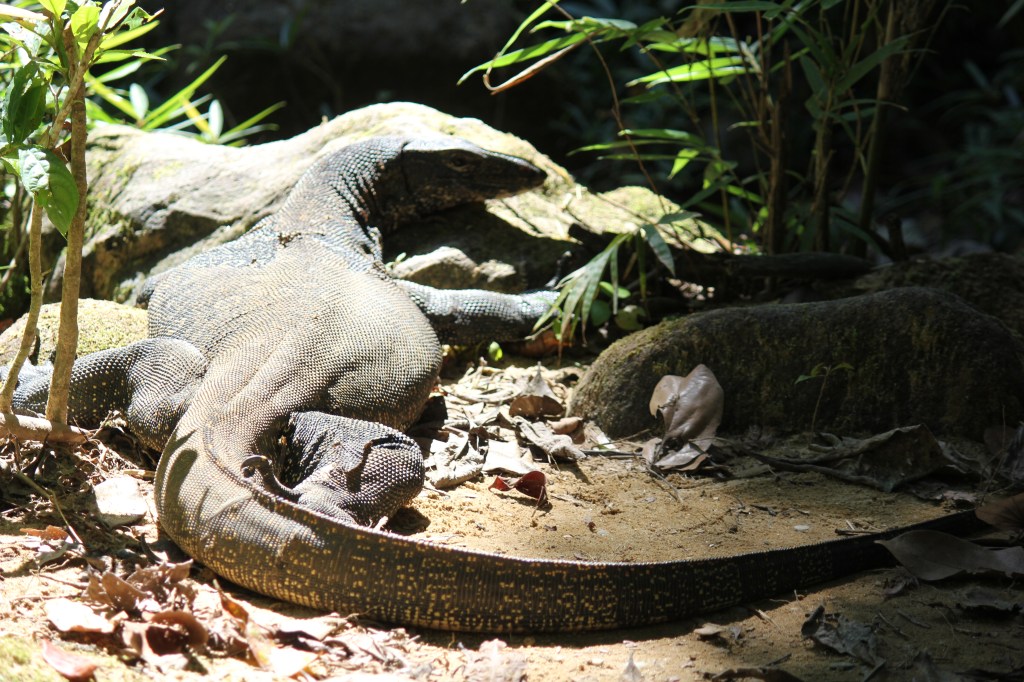
We stayed at the absolutely lovely Old Capital Bike Inn. The breakfast there was unreal. On our first day in town we took a 40-minute tuk tuk ride to a floating market, where we ate pretty much everything we could get our hands on and rode a longboat through the canals, which were home to some big fish and a few impressive monitor lizards. Later Michelle and I took turns getting Thai massages. On the way to meet Michelle after hers, the kids and I were walking by a flower pot and another monitor lizard erupted from the water and jumped onto the wall.
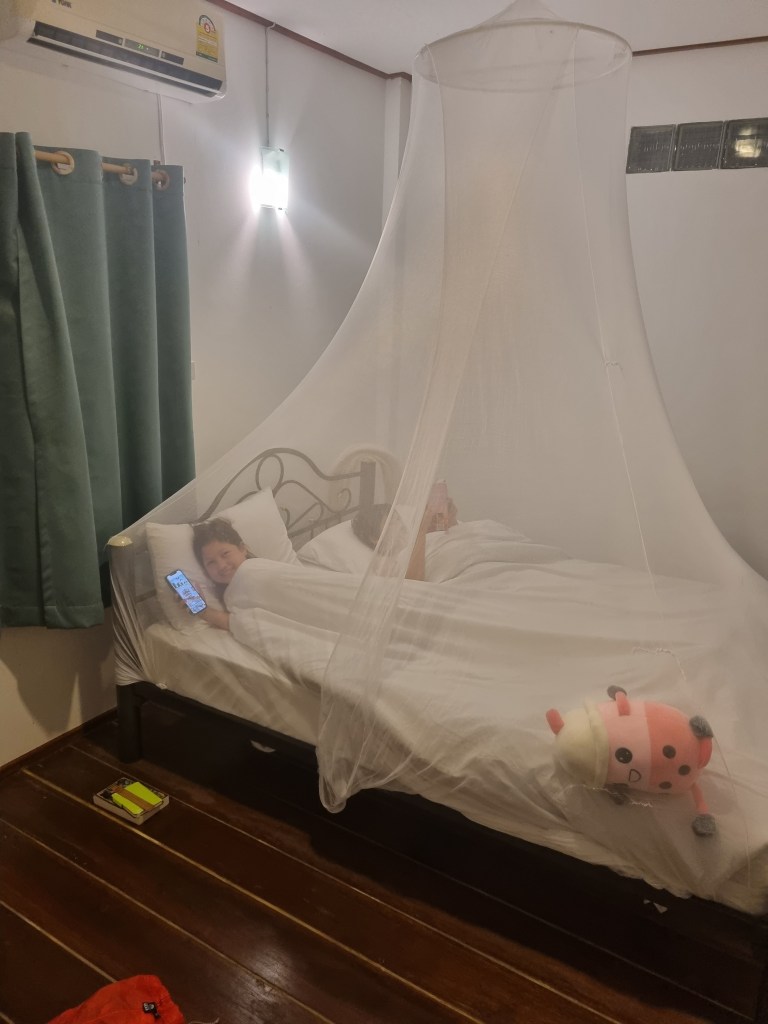
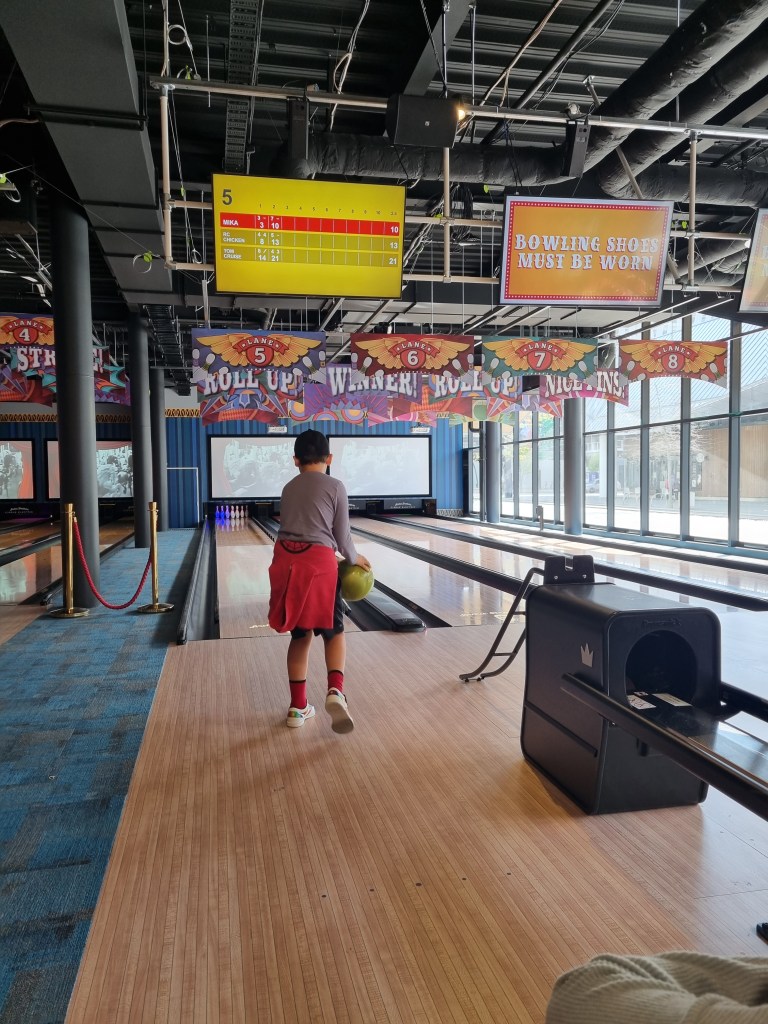
The next day we visited the Golden Mount, walked to Chinatown for dim sum, and rode another tuk tuk to a mall, where we went bowling and ate more delicious food. The third day was a travel day. A plane to Trang, in the south, then a two-hour drive to the coast and about an hour-and-a-half boat ride on somewhat rough seas to Koh Bulon Le. At this point most of us were suffering from tummy troubles, so this was maybe not the best day of the trip.
We spent a week on Koh Bulon Le. At first Michelle and the kids had to explore without me, as I was rather sick those first few days. I blamed the floating market; Michelle blamed the mall.
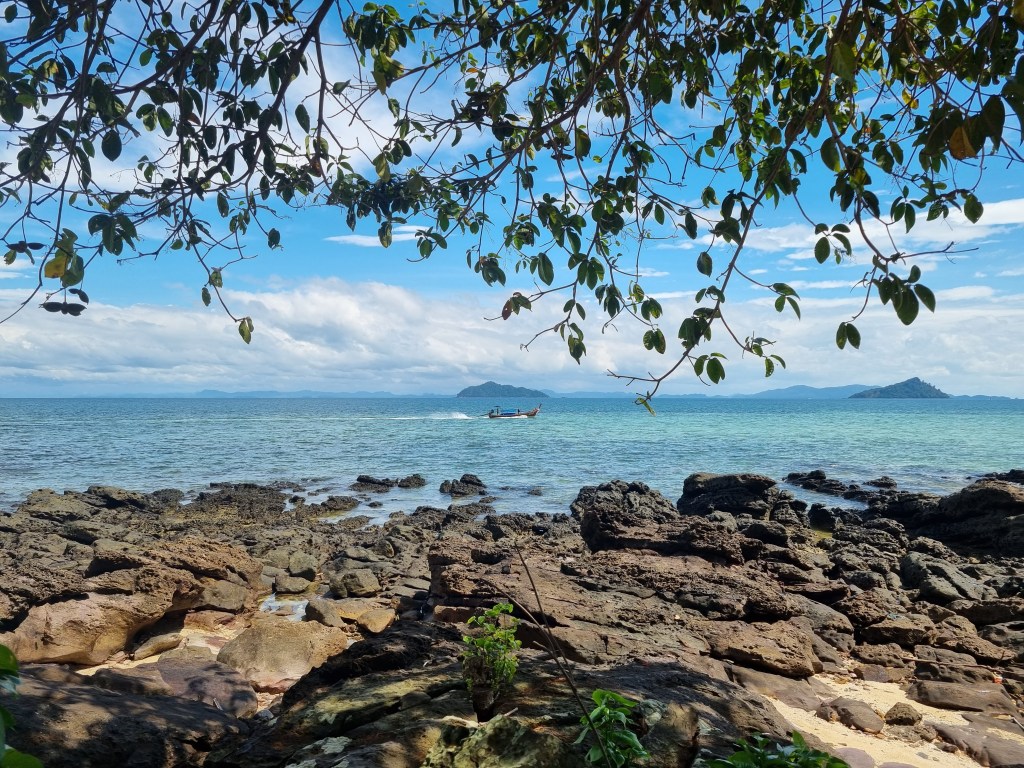
Ko Bulon Le is home to a handful of modest resorts, a couple fishing villages, and a few restaurants. Half of it is uninhabited, and many of the resorts were hit hard by the COVID tourism slump. There are no roads, just a few footpaths. So people walk or ride motorcycles, of which there were maybe half-a-dozen on the island. Power is from solar panels and big diesel generators that only ran from evening until early morning.
The food was great, especially the fish. Given the state of my guts, I had to pass on most of it, but did very much enjoy the pizza bread. We also made daily treks across the island in hopes of sampling cinnamon buns of local legend, but woe, they eluded us to the very end.
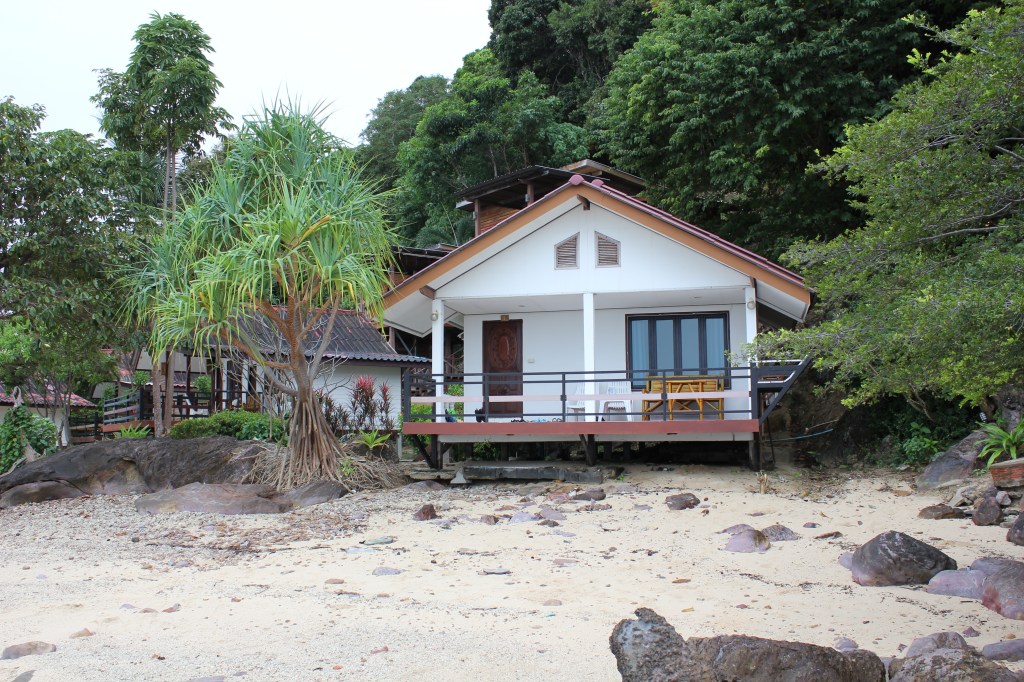
The best part of our week on island was probably the snorkeling. There was a reef about 5 minutes off the beach in front of our cabana. Giant clams and sea urchins, fish every color of the rainbow, and amazing coral formations. On land, there were some epic monitor lizards, including a hulking beast that lived under the bridge on our route from the cabana to the dining room, making us feel a bit like four billy goats.
Our cabana on the beach.Not all the food was great.
The only half decent snorkeling video I managed to record. Still figuring out the go pro.
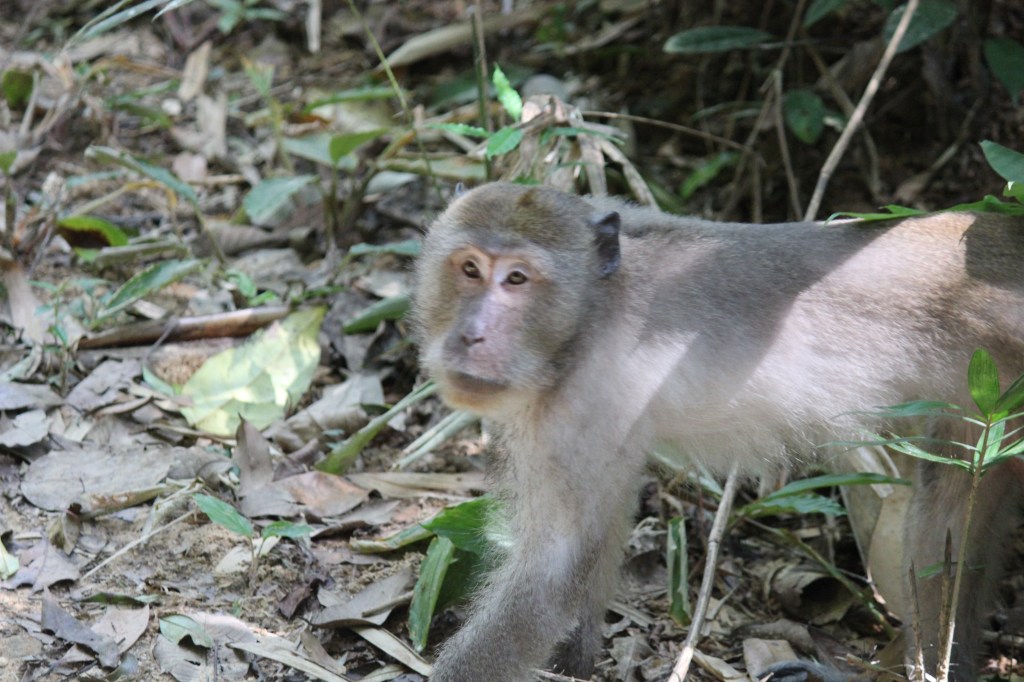
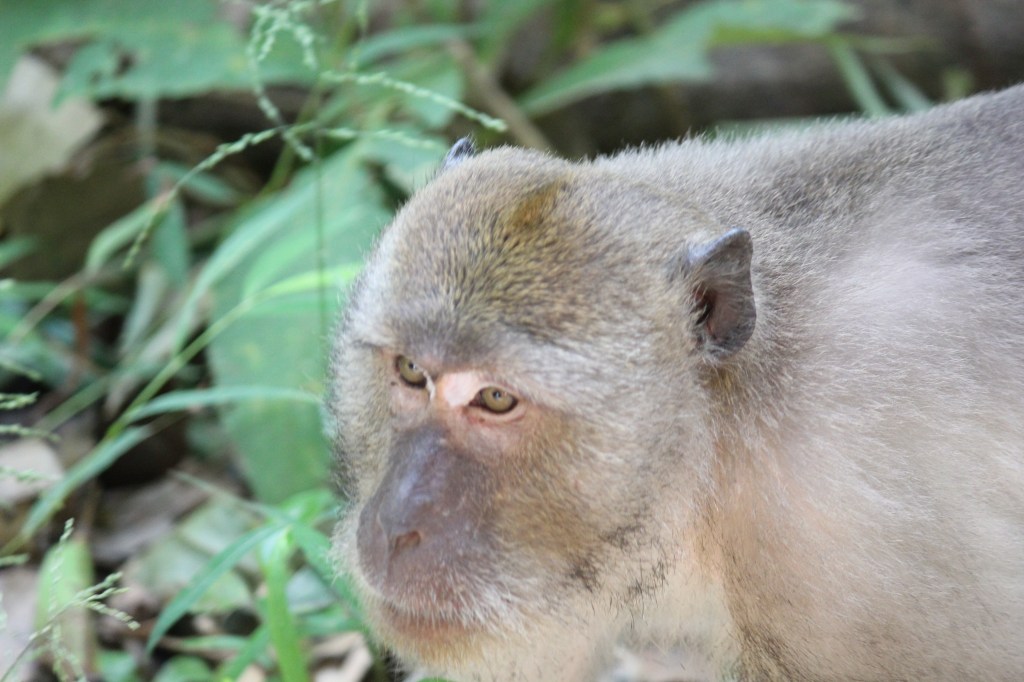
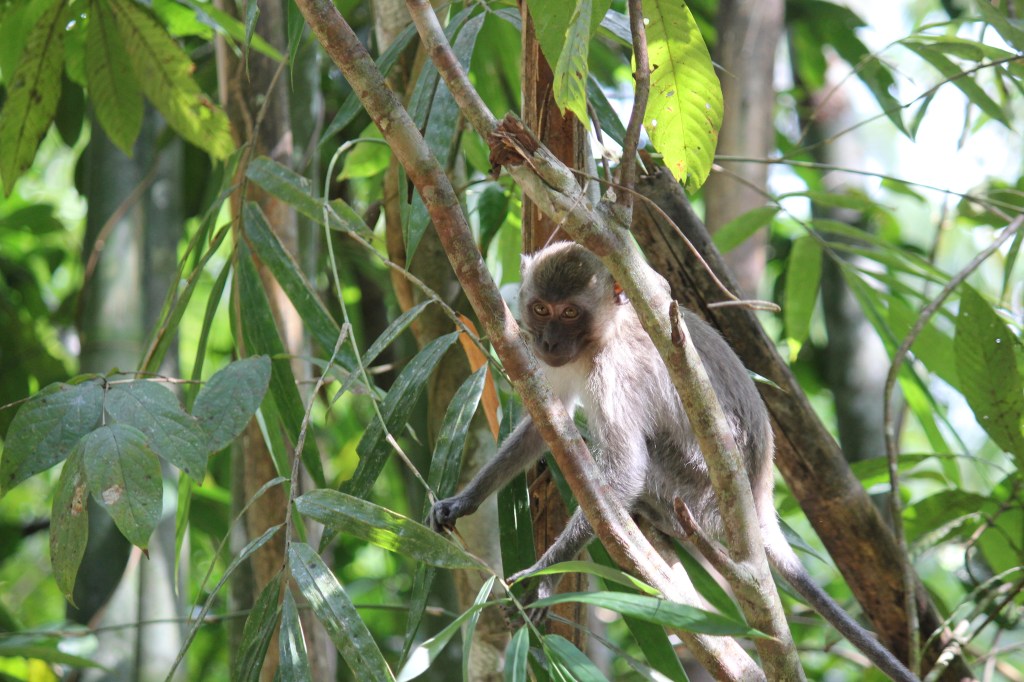
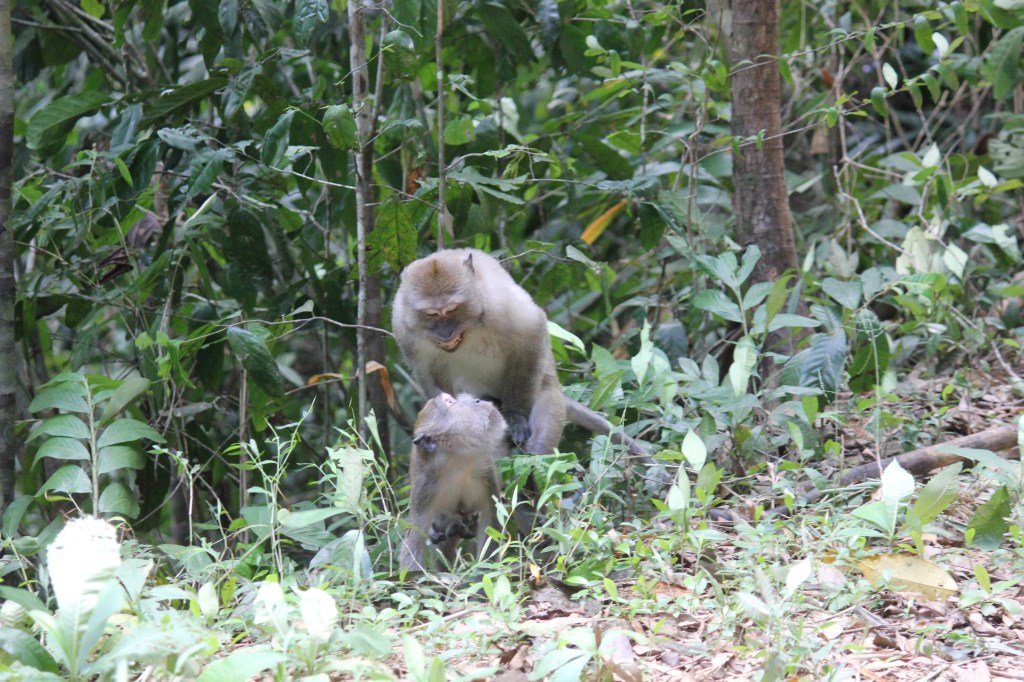
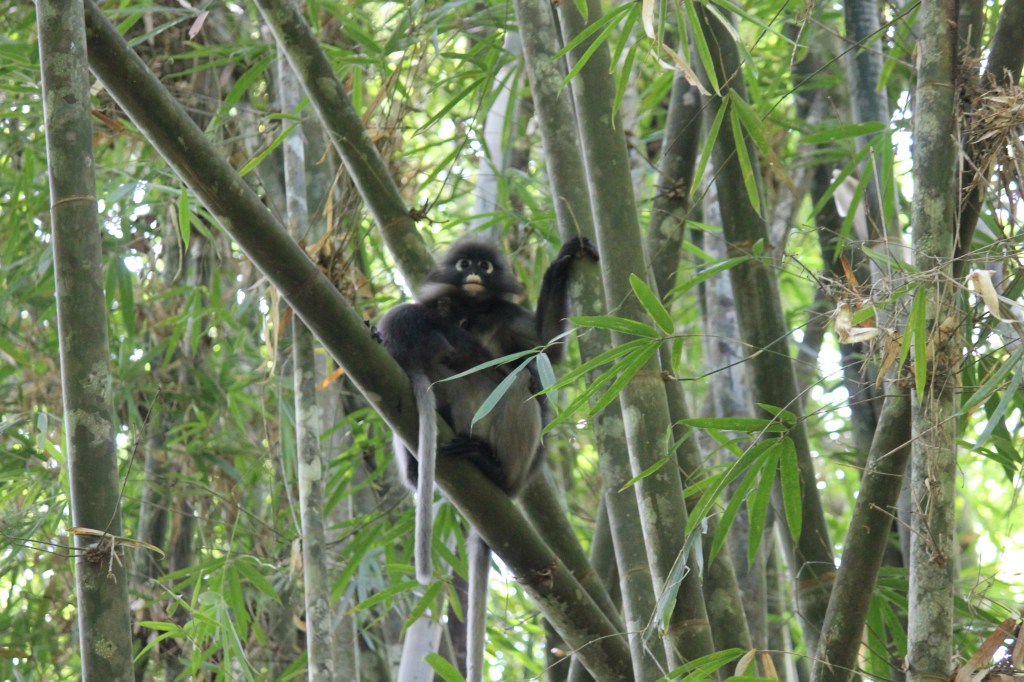
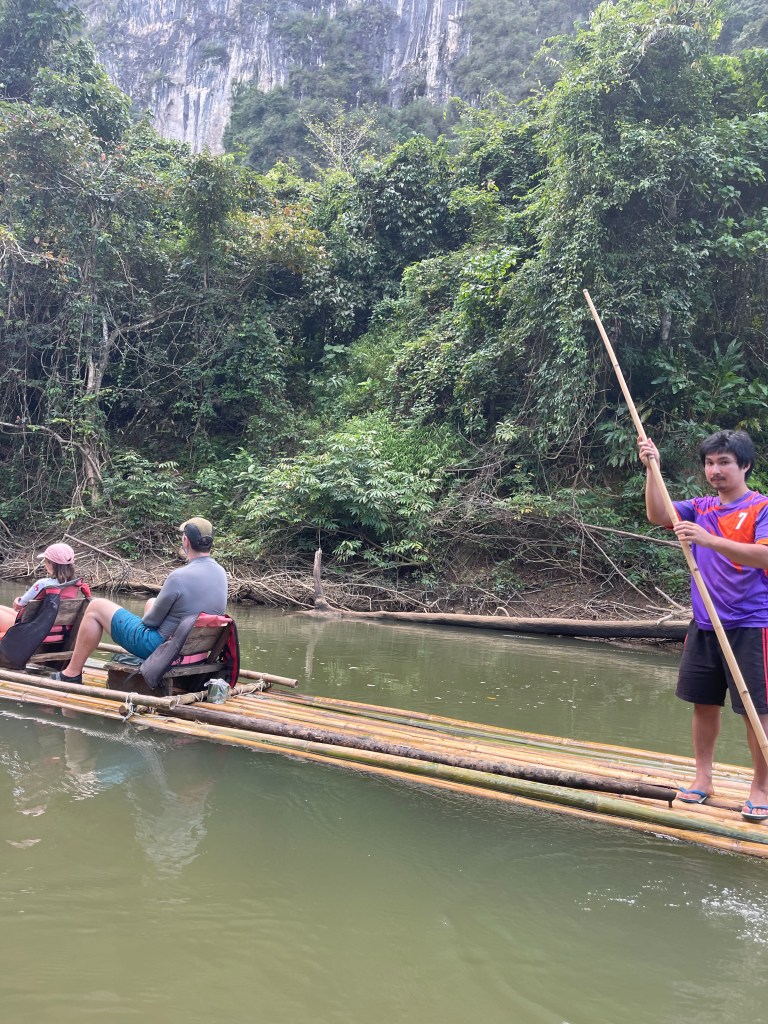
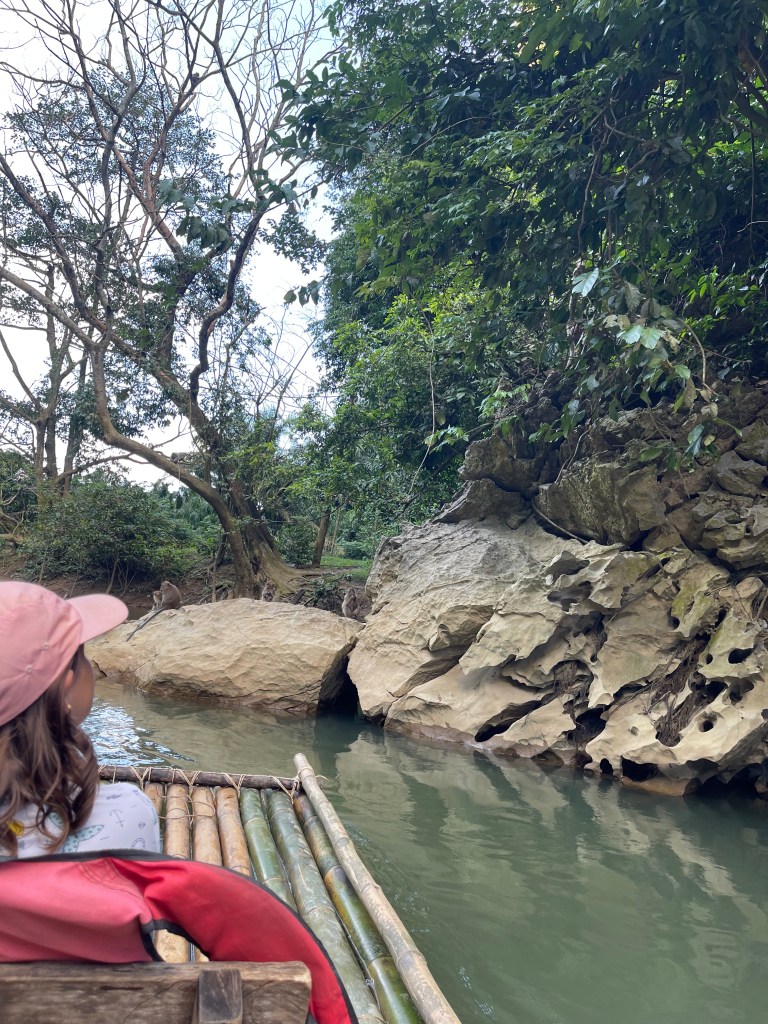
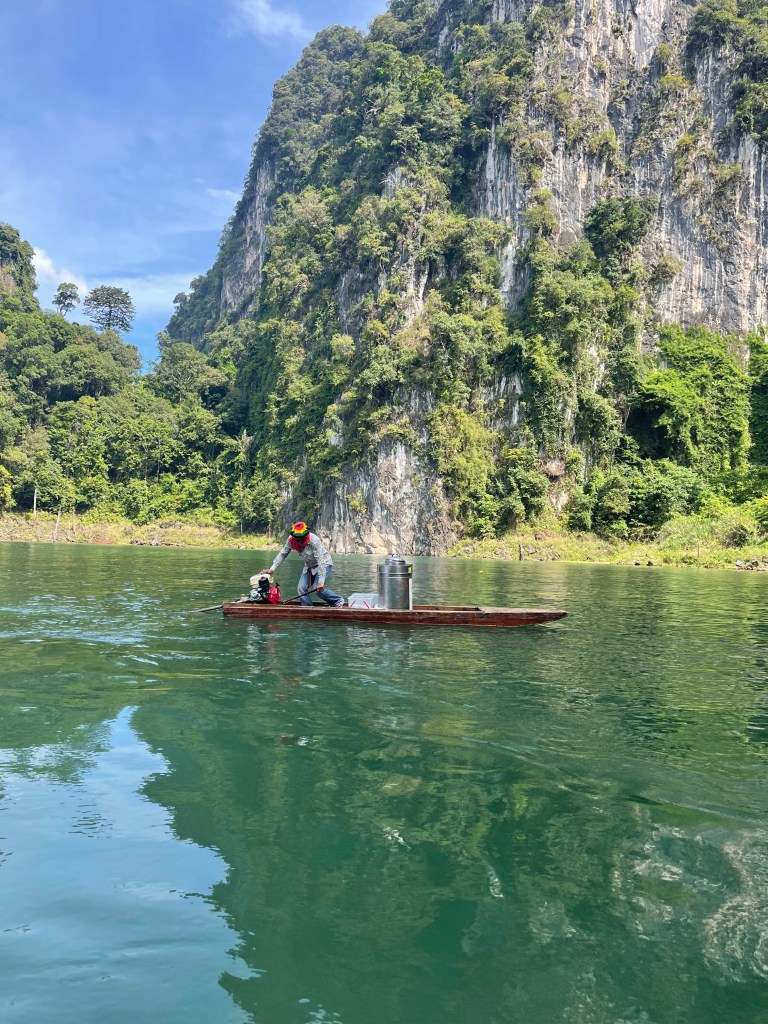
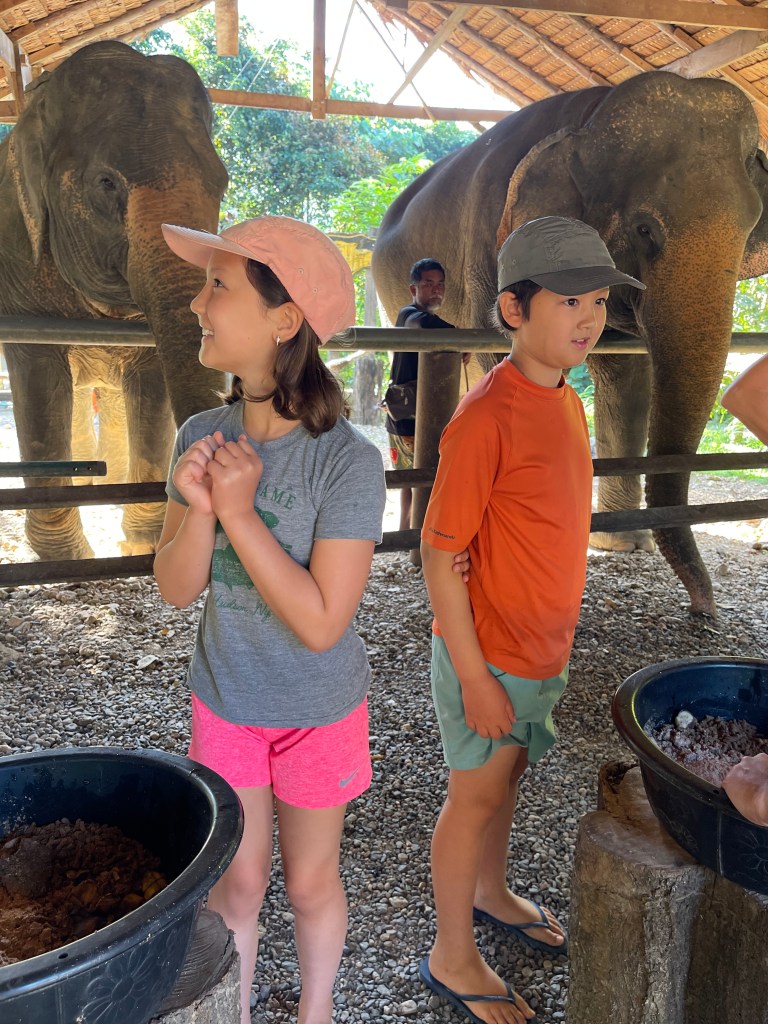
We left Ko Bulon Le by speedboat, which was fun for about the first half-hour and then got a bit dreary. After five-ish hours we arrived in Phuket and jumped in a van for a couple more hours, arriving at Our Jungle Camp in Khao Sok for dinner. Khao Sok is squarely on the tourist trail. Lots of organized activities, like a somewhat dubious elephant experience (which the kids loved), rafting and tubing on the rivers (which we all loved), and a trip to the lake, which was kinda meh but we met some really nice people and Maika and Emlen had a blast swimming with some of the other kids. We also took a couple great hikes and got our wild monkey fix.
Monkeys!More monkeys!Rasta dude selling ice cream on the lake.
From Khao Sok we returned to Bangkok, and in our remaining few days we visited temples, markets, and some absolutely fantastic restaurants. We also went bowling again, which, surprisingly, turns out to be a sport for which we all feel a great passion.
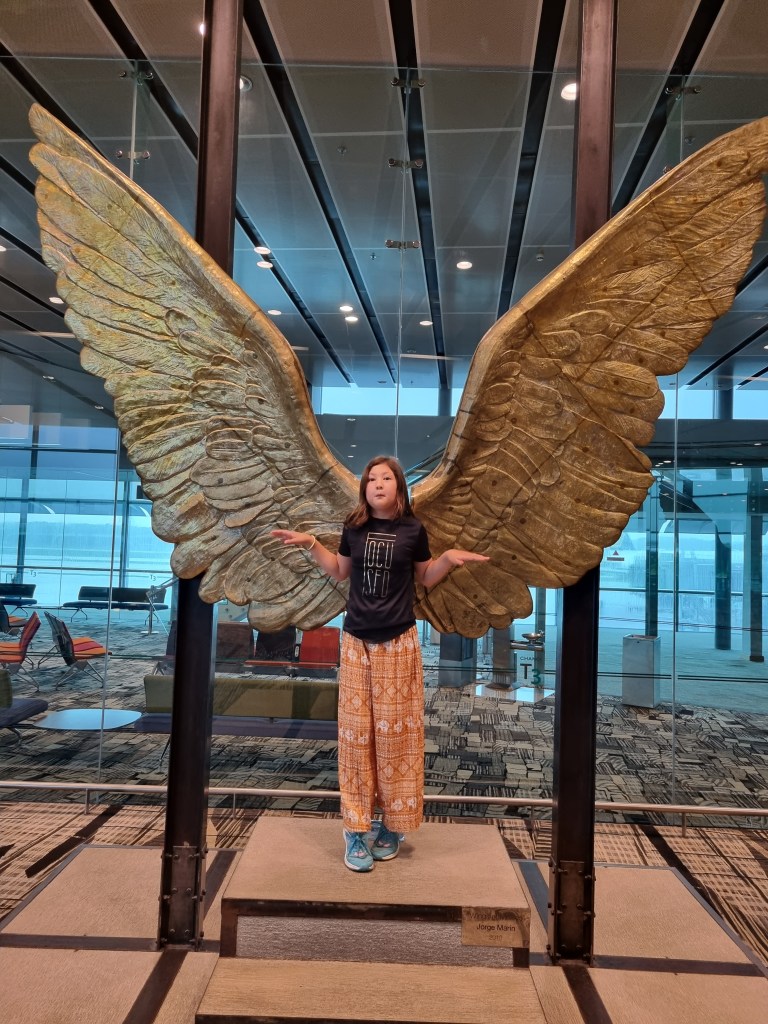
Maika in Singapore (on the way home).
In all, a pretty epic trip! In retrospect, probably a little overlong, but that’s a nice problem to have. We’re all thrilled to be back home in Gizzy, where we arrived just in time to see the Rhythm & Vines crowd stumble out of town. The garden needed a good weeding, but it’s providing some treats and promising far more in the not-too-distant future, and the kids are thrilled to be back with their friends.
The blog fell by the wayside there for a spell. The more clear it became that this would be our forever home, the more difficult it was to find an angle from which to keep writing, as this isn’t really a travel blog any more and I wasn’t particularly keen on writing a public diary. Nevertheless, as we’ve settled in here it seemed worth writing at least one more entry.
In July, our New Zealand resident visas came through and we bought a house. We’re a couple houses from the dead end of a road that runs a little less than a half-mile to the beach. The immediate neighbors are mostly horses and cows, though there are a few sheep and people as well. A lot of our friends live down toward the beach, and there’s pretty consistent traffic of kids in and out of the house when they’re not all in school.
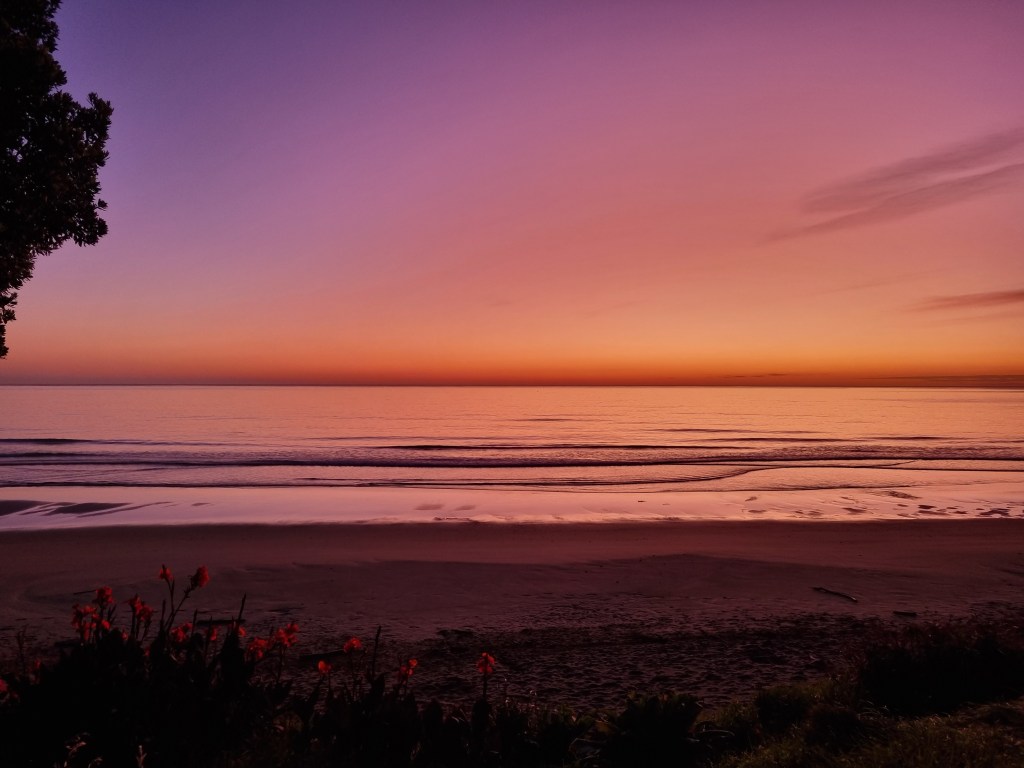
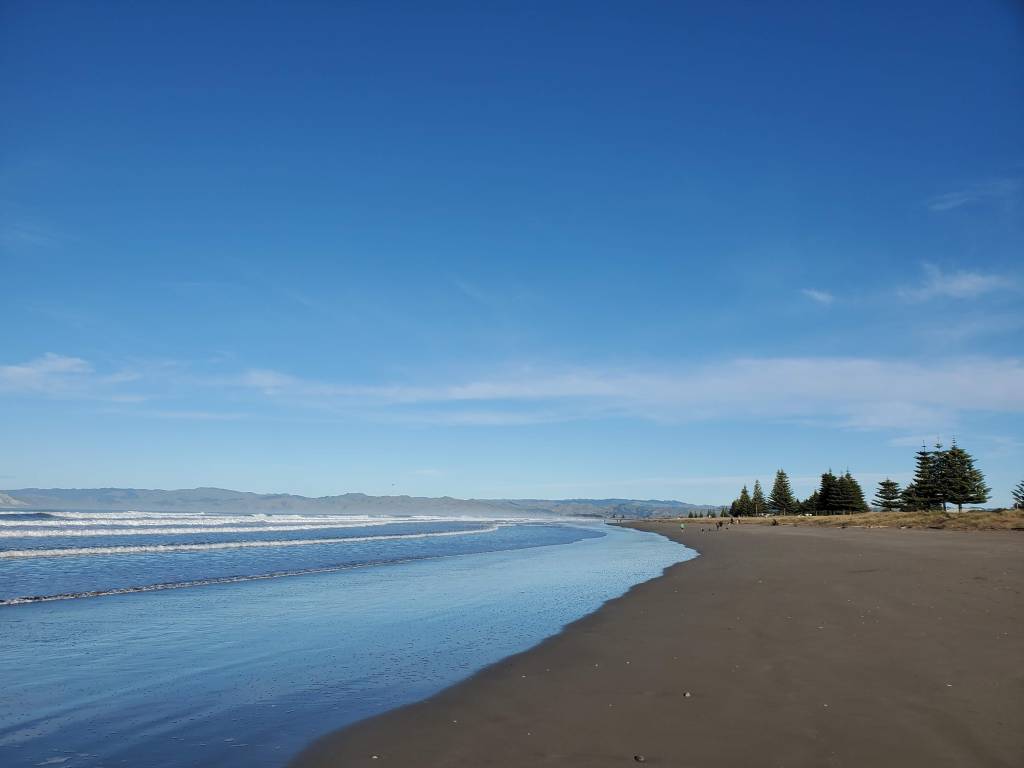
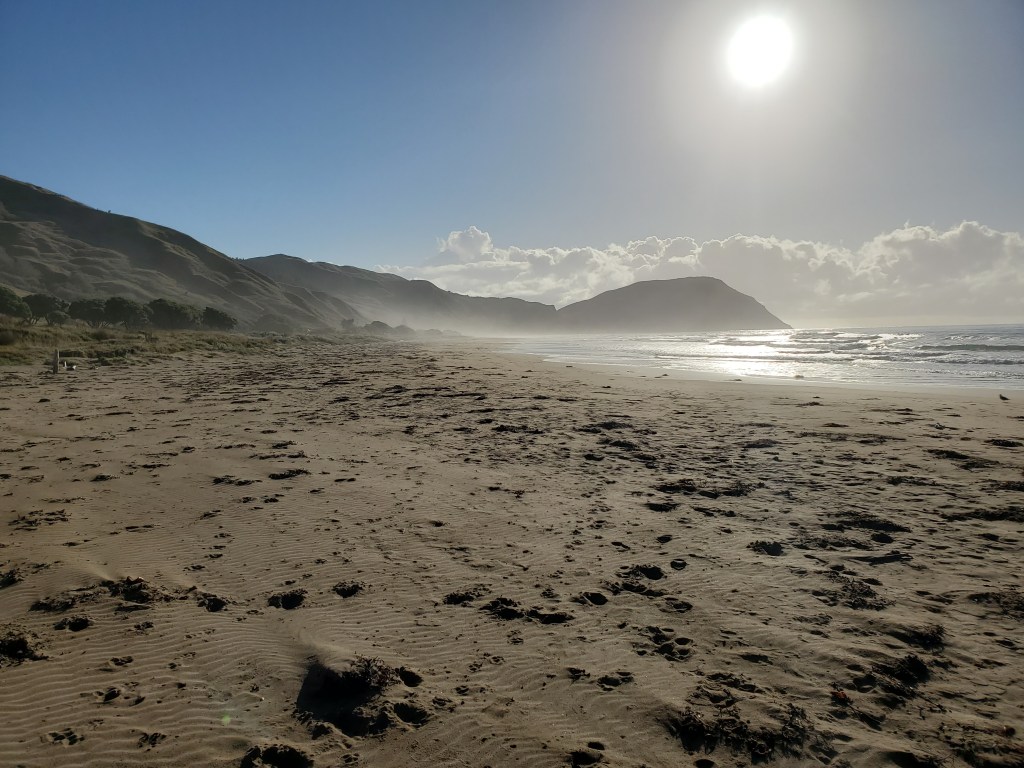
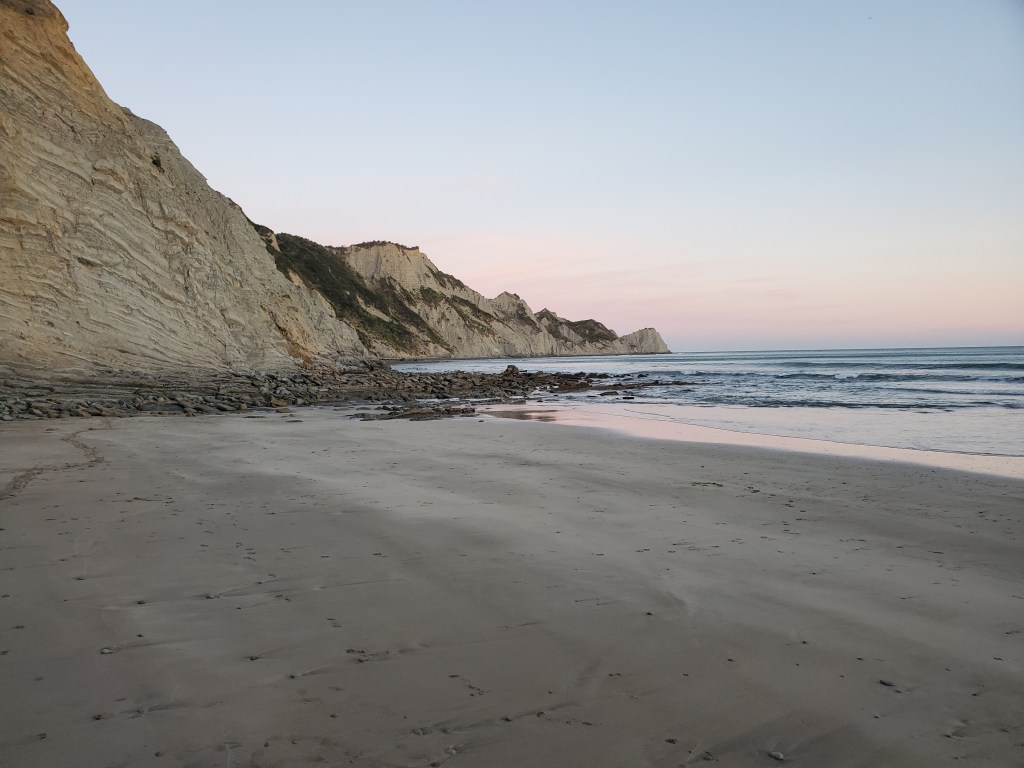
Beach at the end of the road in the predawn light
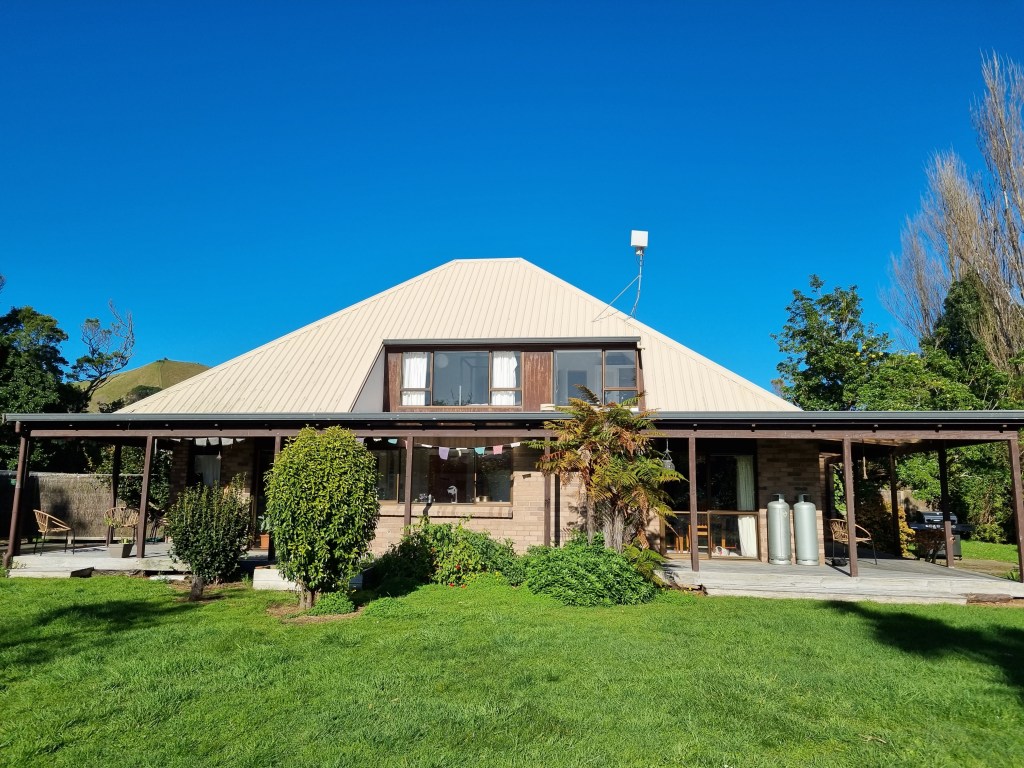
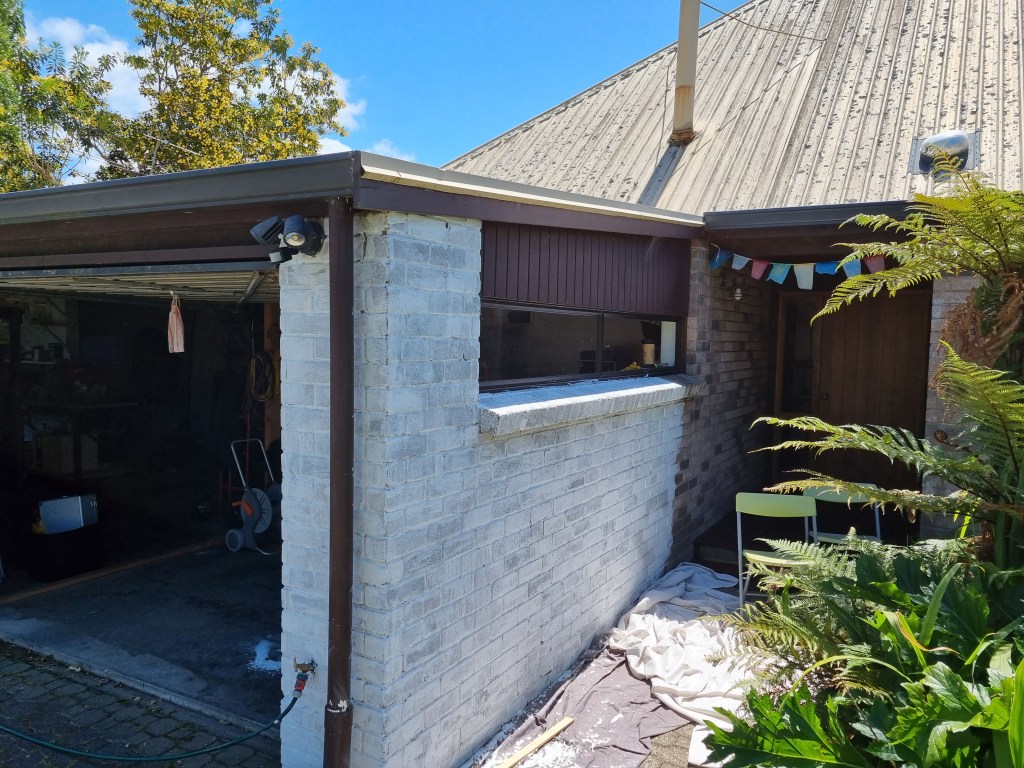
The house itself was built in the 1980s and has a kind of bohemian vibe. It needs quite a bit of work. I’ve been at it pretty much non-stop since we moved in, but my to-do list still runs to a few pages. Above all we need a new roof, which is rather beyond my ability, and will hopefully get done in January. Besides repairs and some long-needed maintenance, we have plans for a few upgrades including the addition of an outdoor shower and a finished room in the attic, which should have some pretty awesome views (though maybe not quite so far as the ocean).
Emlen builds a garden box
Our water supply is the rain that comes off the roof; a novelty for us but quite common in this part of the world. The gutters run into pipes that feed two 20,000 liter tanks buried in the yard. I got up on the roof to clean the gutters a couple months ago and just about had a nervous breakdown re: the gunk, vegetation and animal life that I found there.
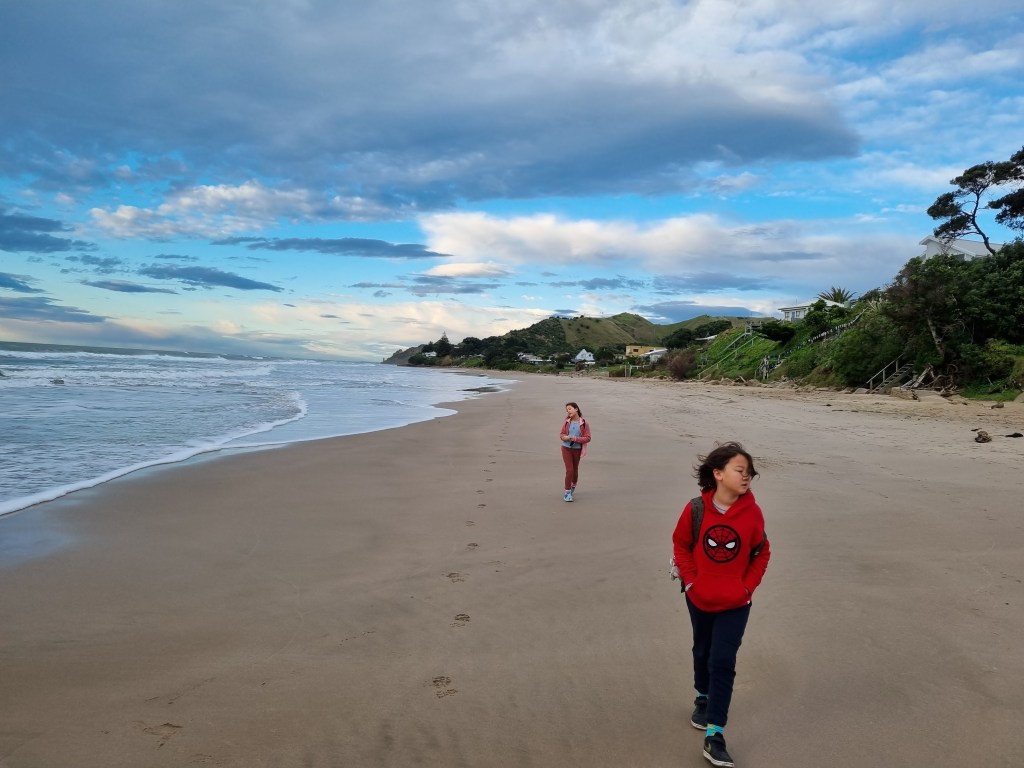
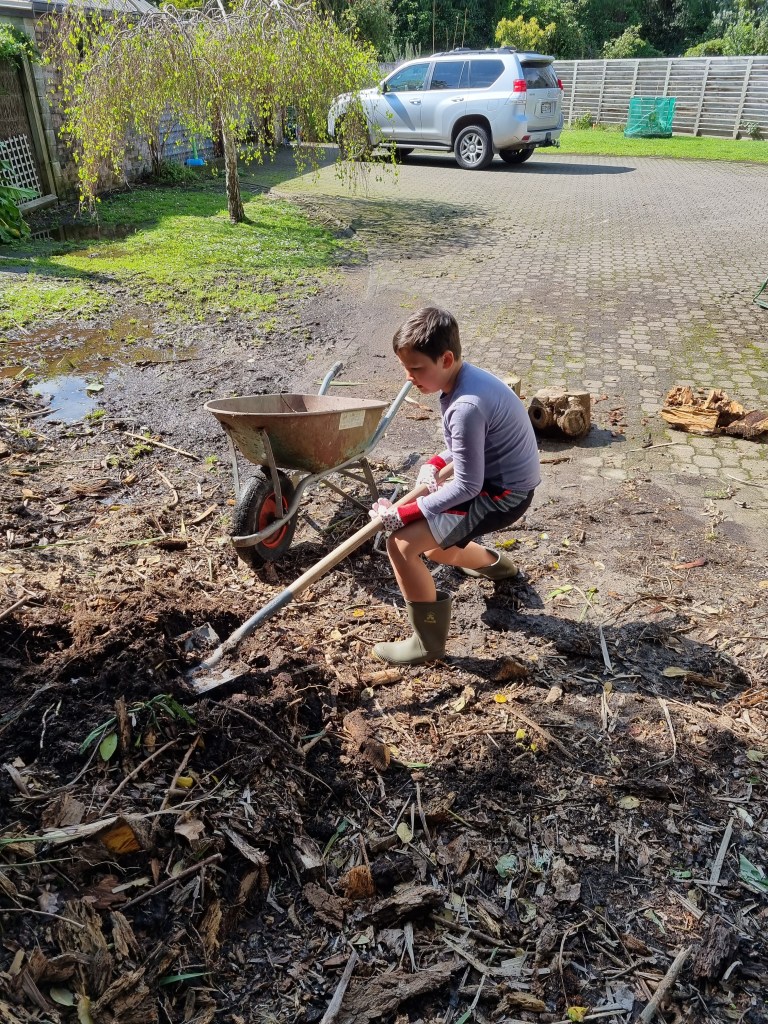
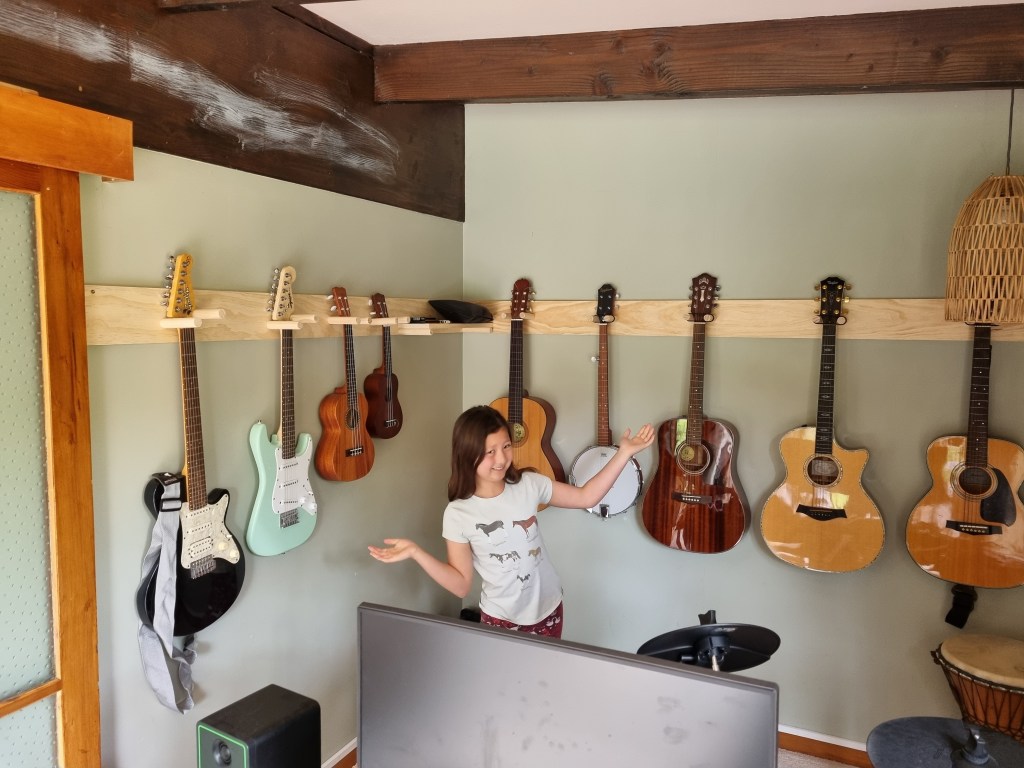
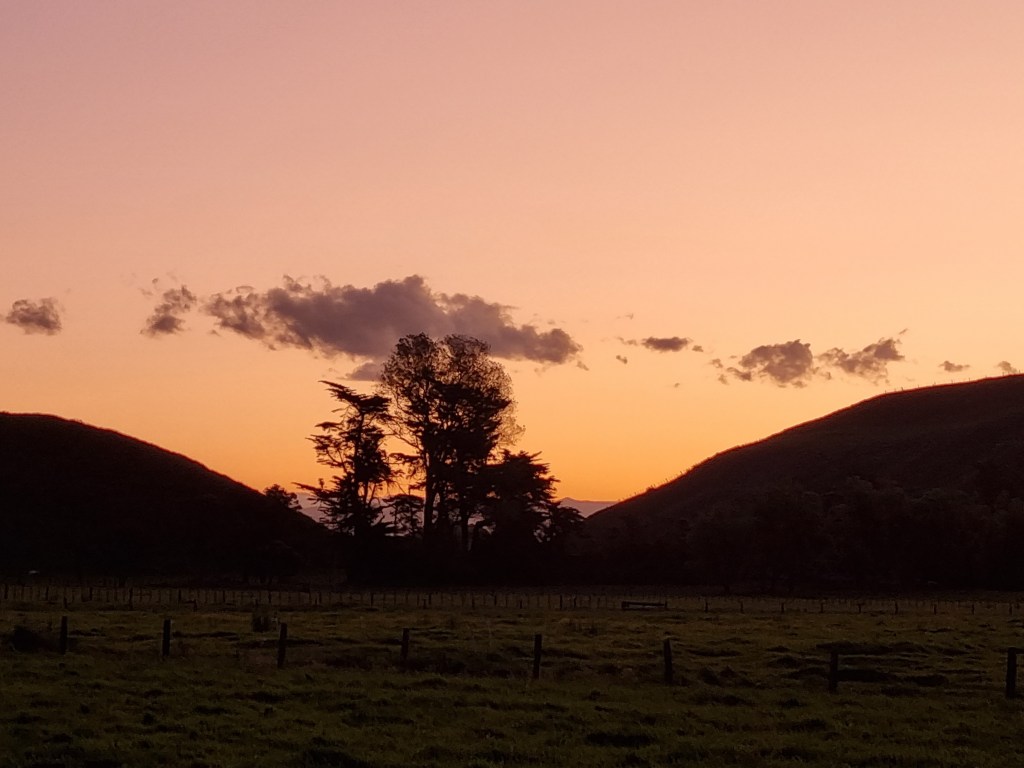
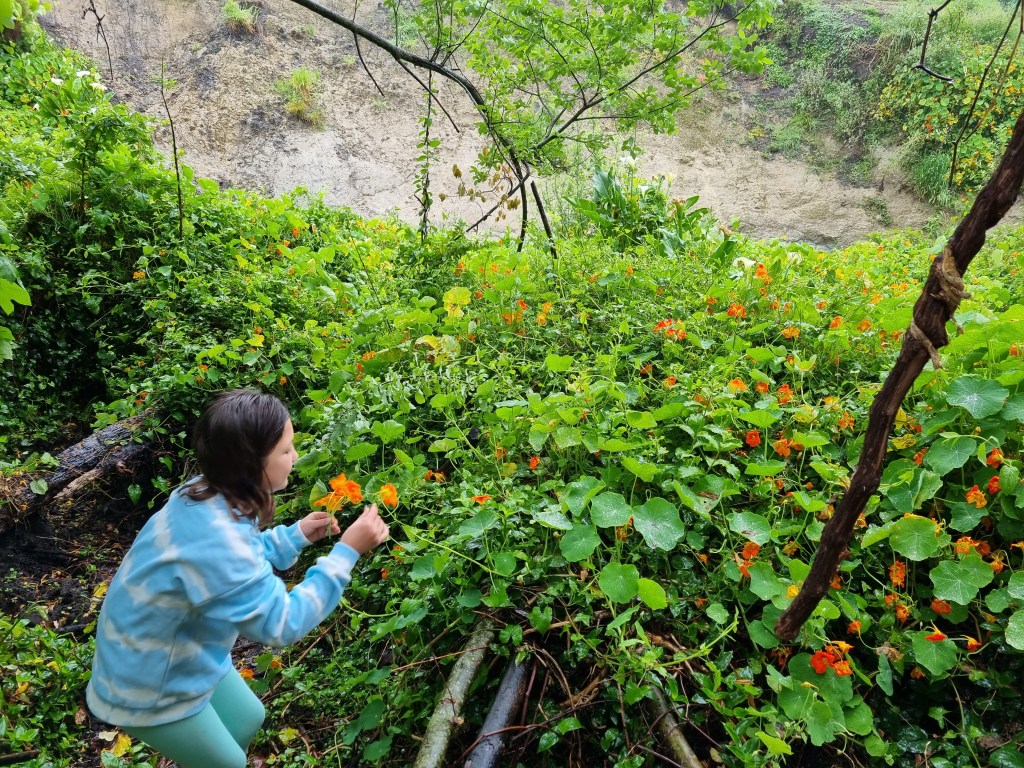
The kids walk to schoolEmlen hard at workMaika shows off the music roomWe have pretty nice sunsets, tooLimewashing the houseMaika harvests nasturtiums down by the stream
We’ve put in a few big garden boxes, an asparagus patch, and planted a few fruit trees (avocado, lime, peach, lemon, feijoa). It’s fun to watch all of that growing. We also just planted some seedlings in hopes that we can establish goji berry bushes and passion fruit vines along our fence, which already has some blueberries and raspberries peeking through from the neighbors. Looking to take full advantage of the fact that the climate here is suitable for growing just about everything short of coffee.
Our property runs down to a creek, through an area that seems to have been planted with fruit trees at some point long ago but has since become pretty overgrown. The kids and I have been trying to rehabilitate it somewhat, and have cut out a little space for a few good-sized avocado trees that we discovered, in hopes that a little more sunlight will encourage them to fruit. Unfortunately the streambank is also host to a pretty healthy water rat population, which causes me some concern re: the garden. I think I’ve eliminated their means of ingress into the house (that was a whole drama in itself), but we still see them out in the yard from time to time. I’ve acquired a slug gun, which sounds rather serious but just shoots .22 pellets. Now that they know that I’m armed the rats seem appropriately intimidated. There is, however, a bunny in the yard most days. Maika has long forbidden the consumption of bunny meat for our family, so that problem would seem to require a more creative solution than murder.
We have a few other grand ambitions, chief among them the raising of chickens, which will commence as soon as I get to building a coop. In the meantime, the kids are busy with sports and music, and life is gradually moving onto the beach, as the water has just gotten to the point where it feels really good even without a wetsuit. We’ve had a few short trips to Wellington, Christchurch, and Cardrona (for snowboarding – this time I only cracked a rib, which given the state of my tailbone at the end of the last ski vacation, feels like progress), but it’s always a great pleasure to come back home.
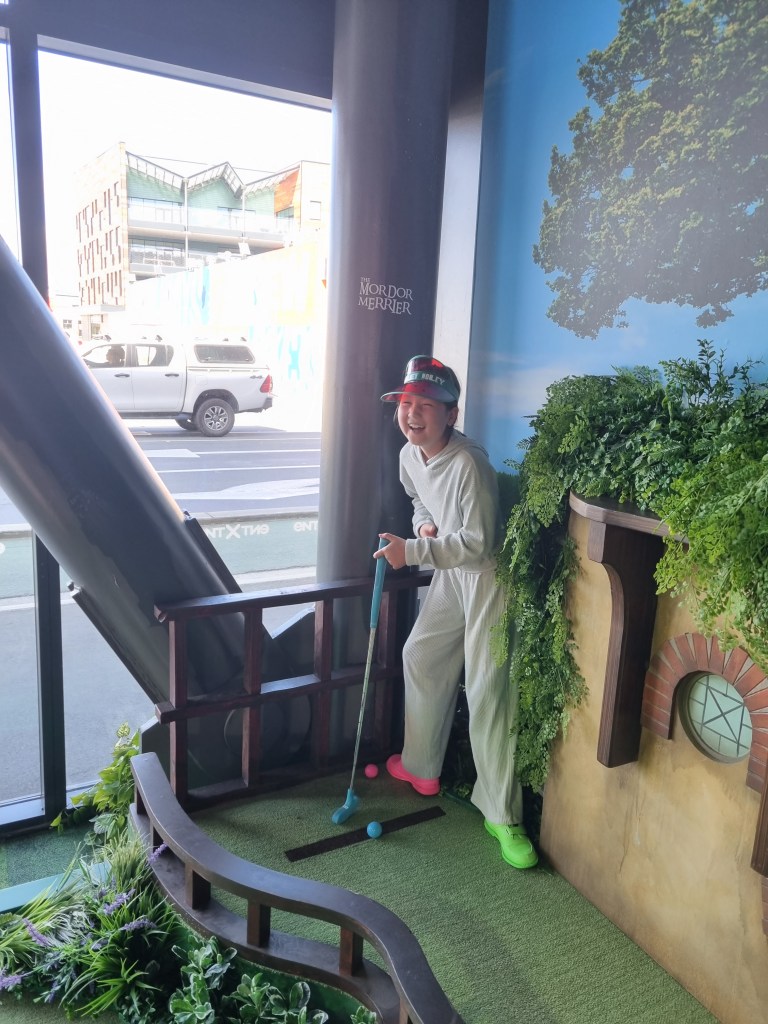
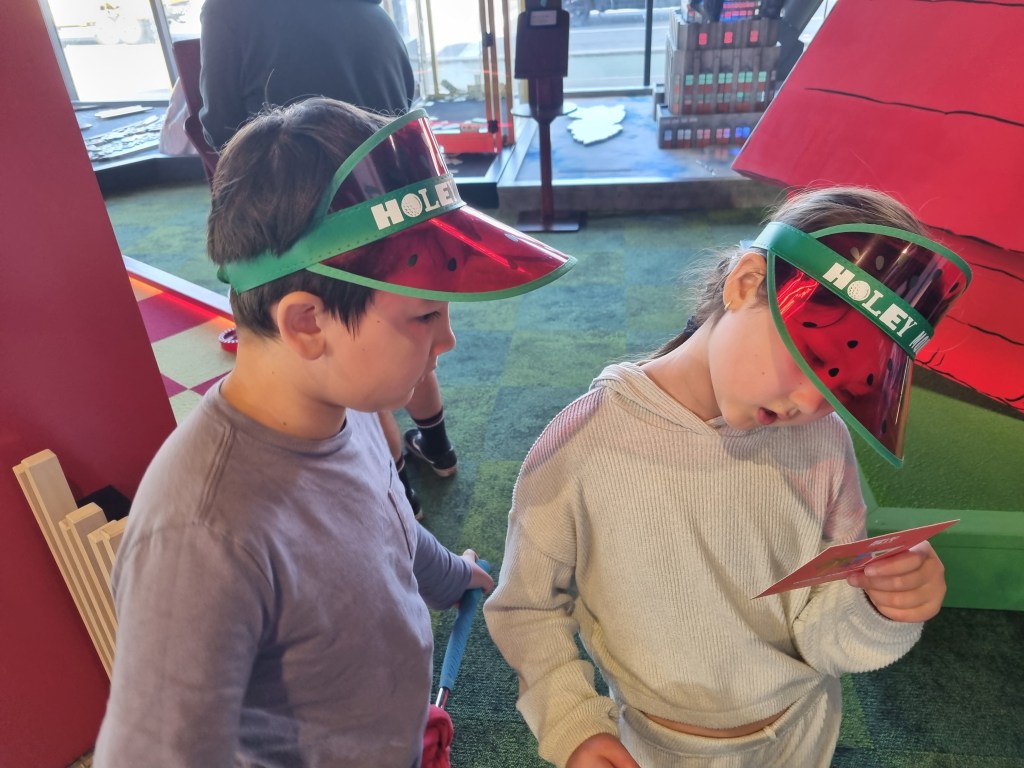
Bowling in ChchHoley moley!Half the fun of mini golf is arguing about math
For a few months Michelle has been training for this year’s Queenstown marathon, which had been scheduled for November 20. We figured we’d make a vacation of it and booked a week’s trip. About a month ago the marathon was delayed due to COVID, but we went anyway.
It was a little hard to leave Gisborne. The winter here was kinda like a long, cool Vermont summer morning – so pretty great, floods notwithstanding. But spring is magical. Once more, shoes have become completely unnecessary. Surf lifesaving on Sunday mornings has taken the place of soccer, and we’ve fallen into a routine of meeting friends at the beach after school for a swim/surf. I just got my fishing license (you don’t need one for ocean fishing, but it’s necessary for freshwater fishing), and if all goes well we’ll start making our own whitefish salad to go with the bagels. I also just received permission from the Mrs. to buy an extra fridge in order to expand our production capacity so that we may share the bounty. Life is good in Gizzy. But! Off to rainy Queenstown 🙂
Early AM muffins and fluffies at Gizzy Airport.
We got up well before dawn, checked our baggage (no line, no security) and took a one-hour flight in a prop plane to Wellington, then had another hour and a half or so in a jet to Queenstown. It was a lovely day on the North Island, so the views were great on the first leg, where at one point we could look down at Hawke’s Bay and see clear across the country to Mt. Taranaki.
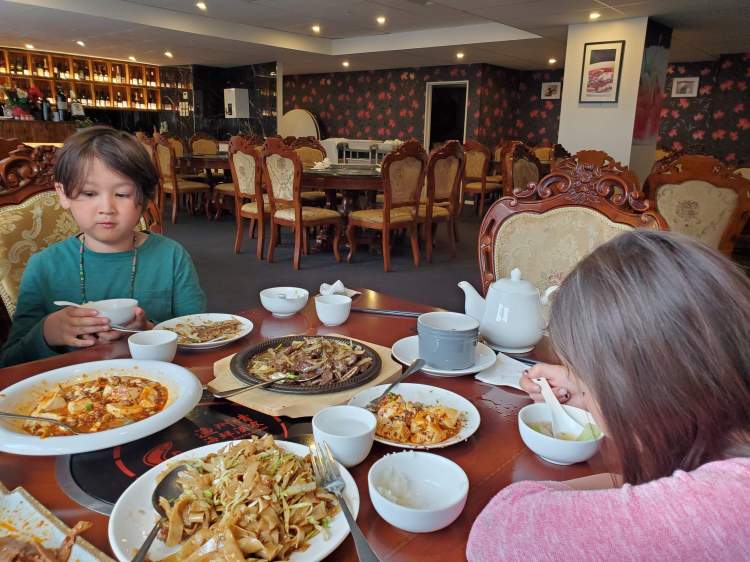
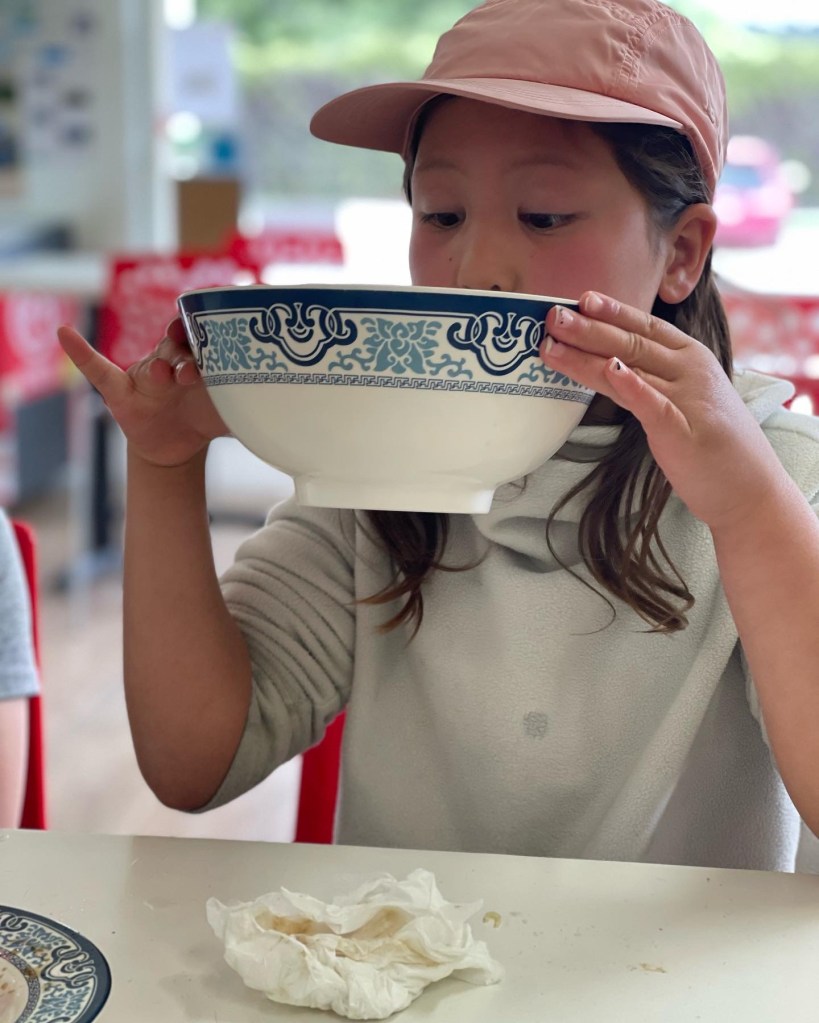
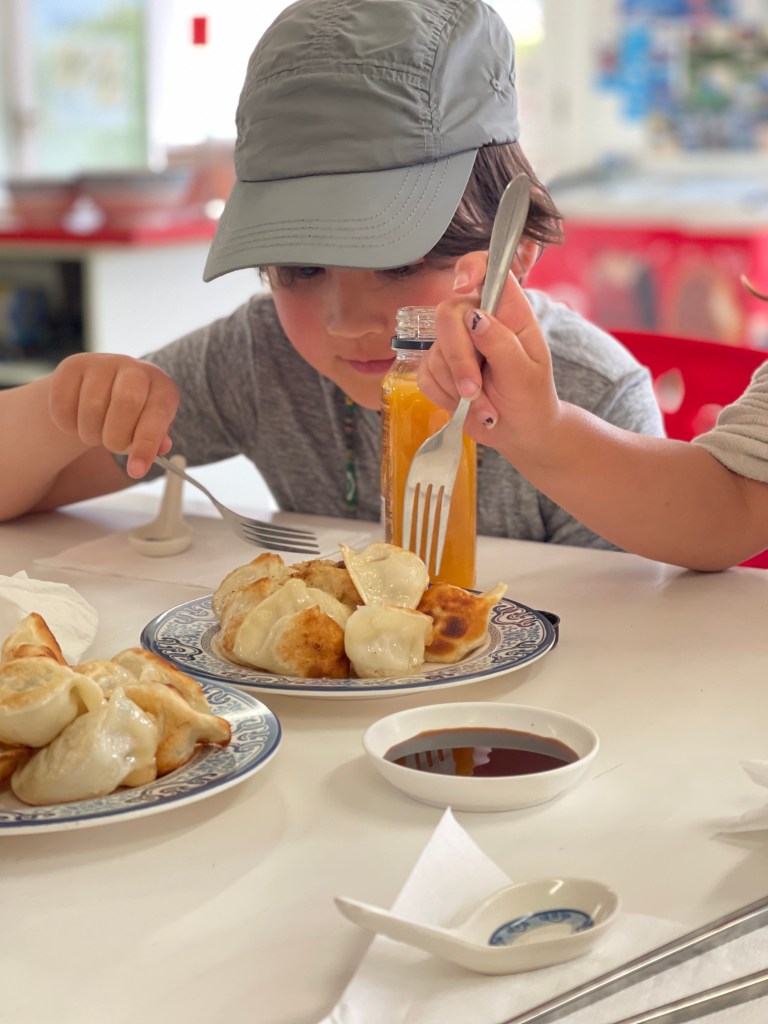
We had received many great recommendations but made few plans, as our preferred activities were largely weather-dependent and the week’s forecast was bleak. We arrived in Queenstown under cloudy skies just in time for lunch, and went straight to the most promising Chinese restaurant we could find, which was quite good by any standards. Because New Zealand normally hosts pretty massive numbers of Chinese tourists, you can find really good Chinese food in all sorts of places. Over the course of the week, we enjoyed meals not just in Queenstown, but Te Anau (pop under 3k) and Glenorchy (pop about 300) as well. Of course, they’re currently undersubscribed, and it’s difficult to know what changes COVID may wreak in the long run. We did our best to prop up the industry.
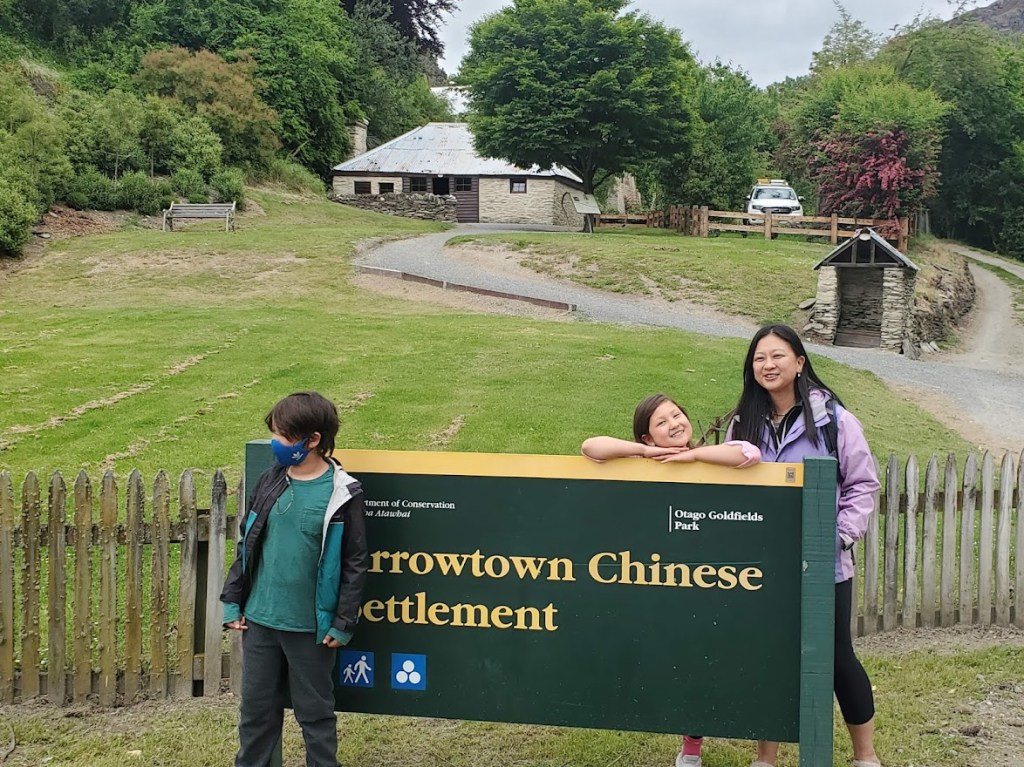
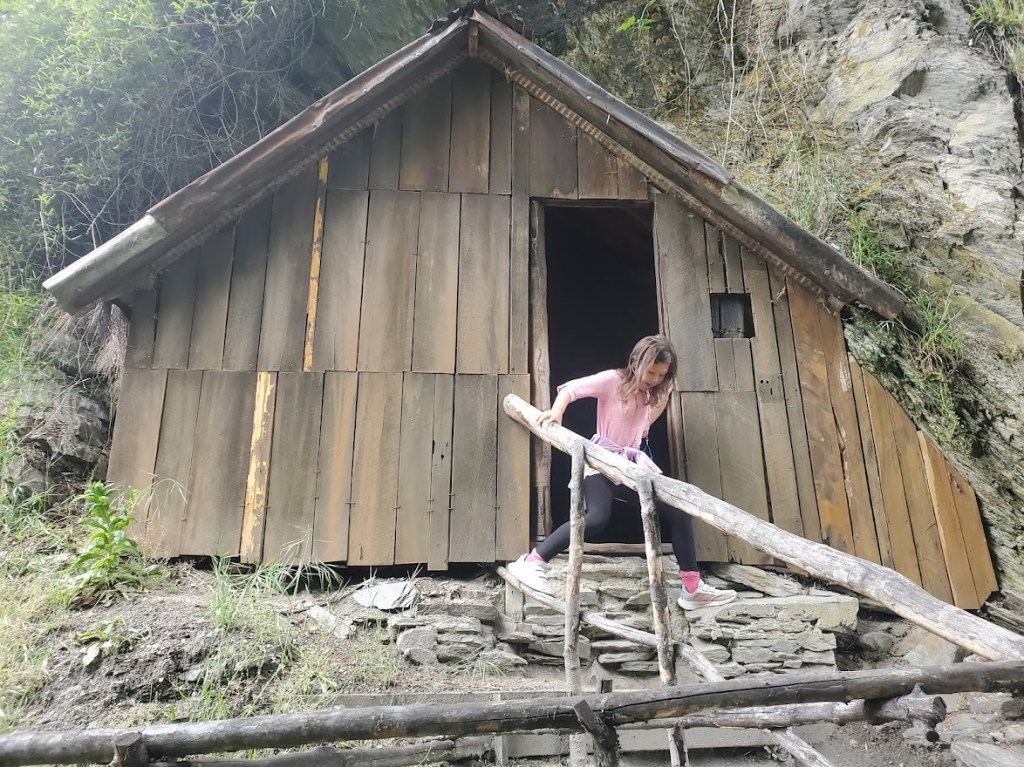
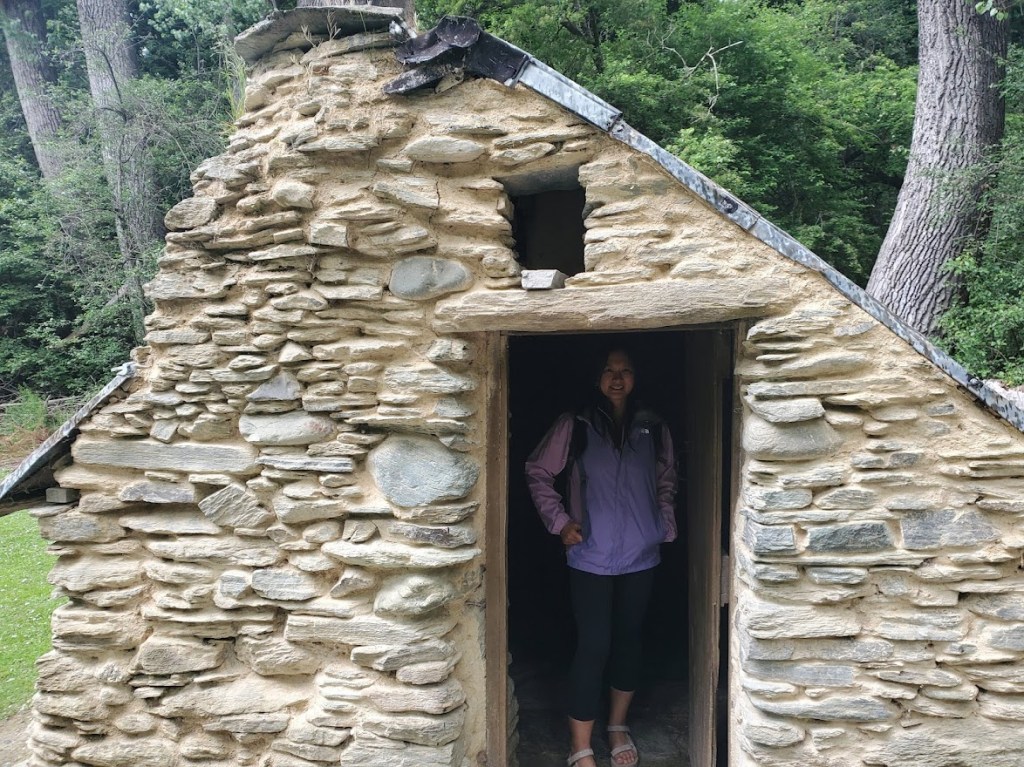
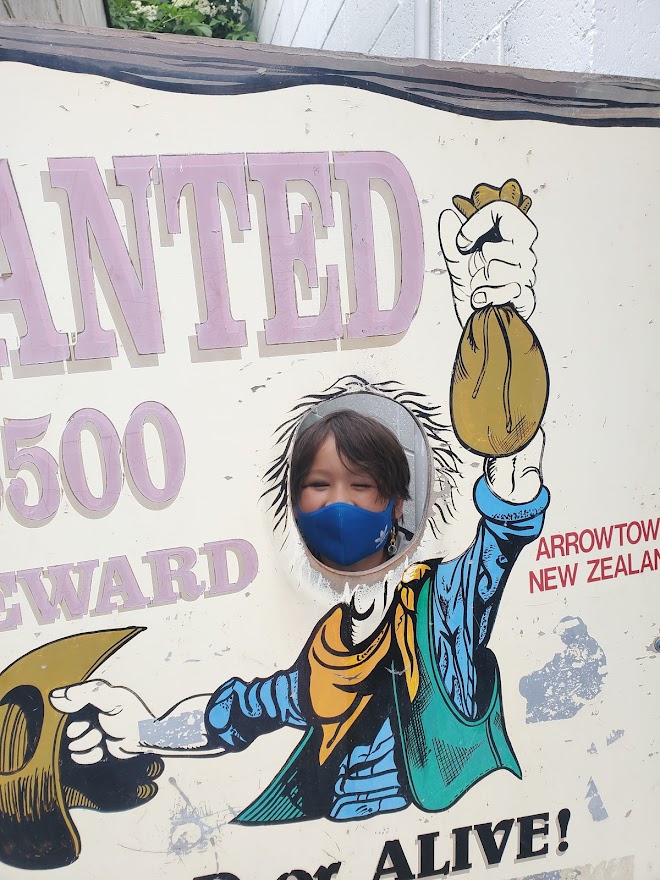
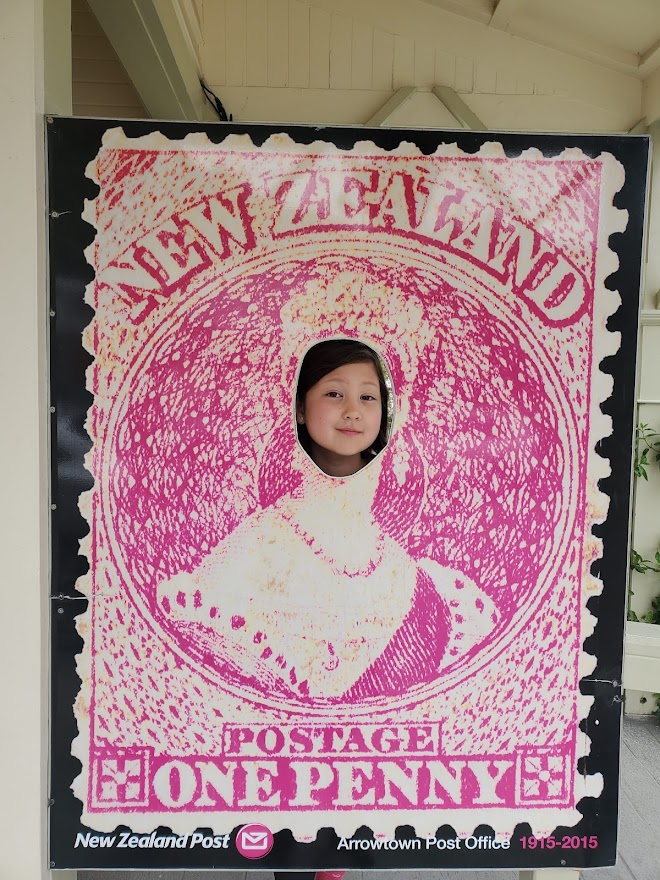
Afterwards we drove twenty minutes to Arrowtown, explored the historic Chinese settlement there and walked a little on adjacent trails that extend scores of miles in all directions. Arrowtown itself has the feel of an upscale, heavily touristed cowboy town, and the landscape around Queenstown is generally reminiscent of the Rockies: jagged peaks surround Lake Wakatipu, and when you get up in there you find the mountains are lousy with lonelier lakes and crystal blue rivers. Town smells like Montana, for all the Douglas firs. Happily they haven’t spread too far into the native forests, but it is an issue, as they don’t make for a great habitat for native birds.
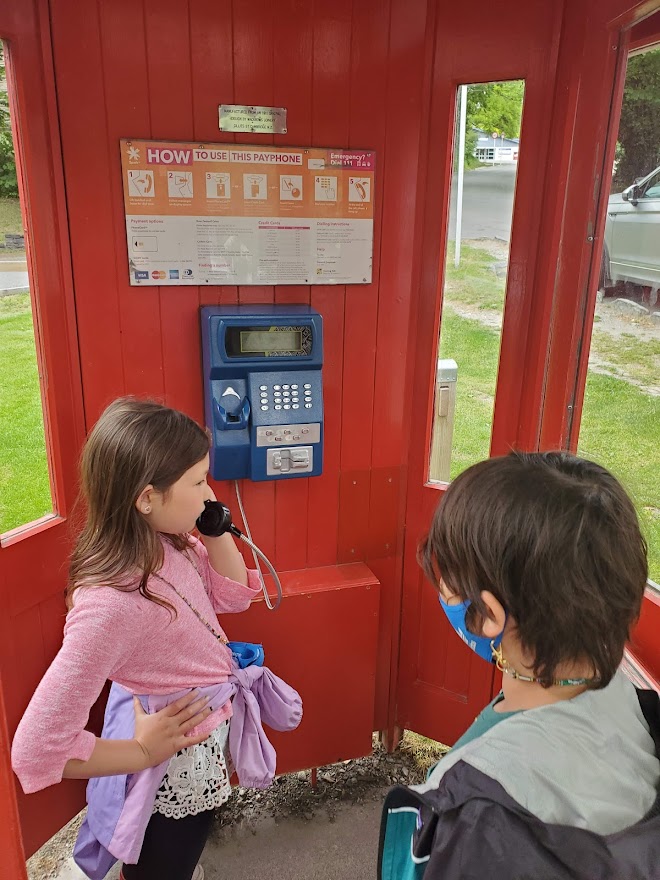
The kids were fascinated by this ancient technology.
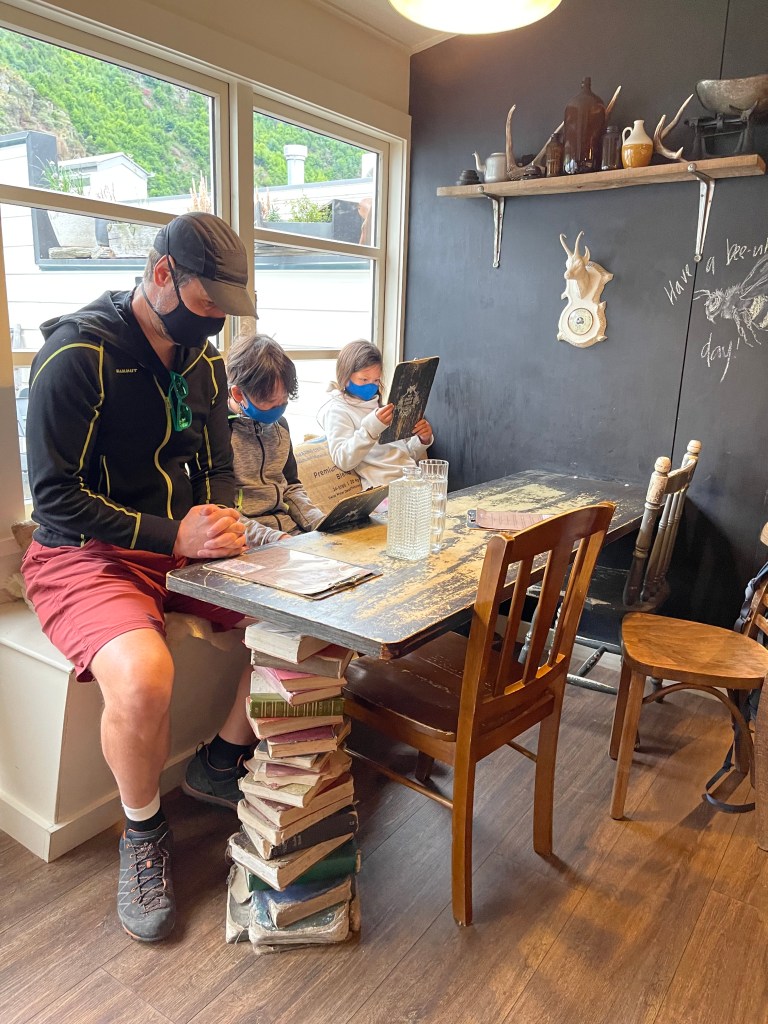
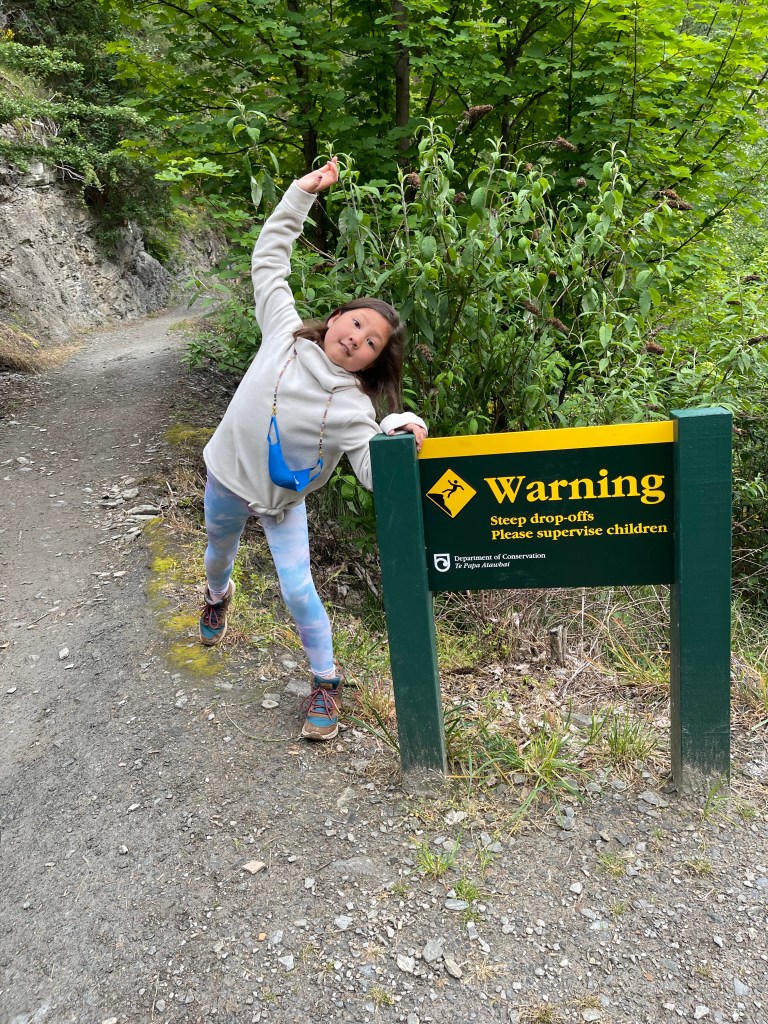
We went back to Arrowtown on Sunday morning for a great breakfast and then a hike through Sawpit Gully, the length of which I rather drastically underestimated. But it all worked out.
This part was optional 🙂
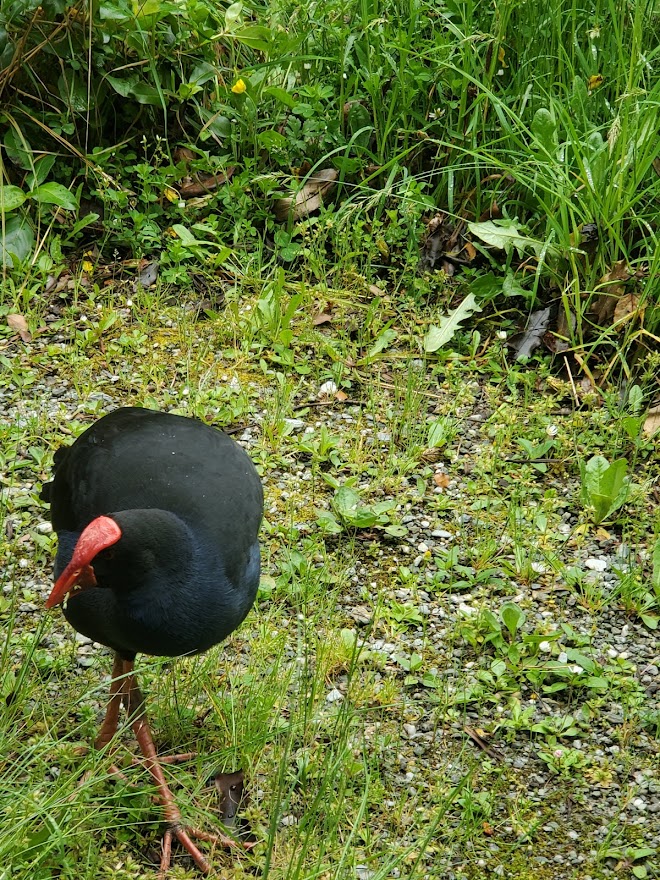
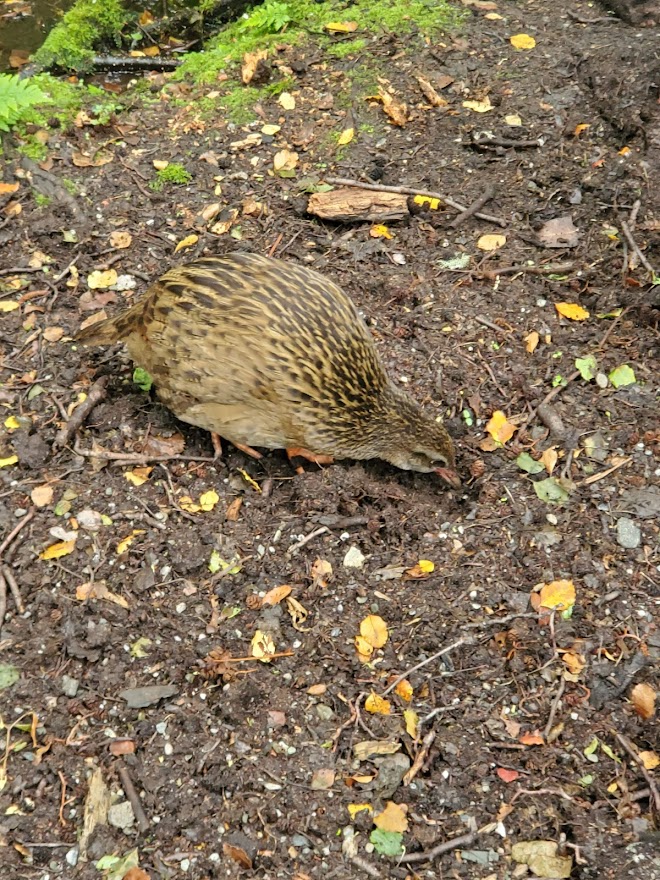
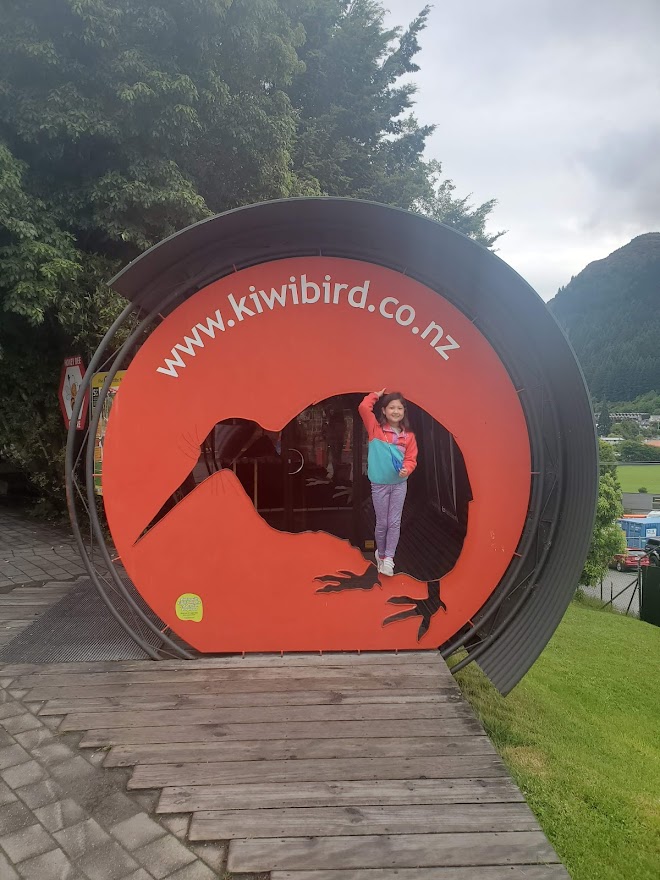
Monday’s weather was iffy as well, so we figured we’d start with the luge, which is accessed by a gondola up a rather steep mountain on the backside of town. It’s not like the luge from the Olympics, but more like mountain go-carts. They put the fear of God into me, but it was the kids’ favorite part of our short trip to Rotorua a couple months ago. In any event, our go-kart ambitions were thwarted this time around, as the gondola was closed for construction. But next door to the gondola is a native bird sanctuary that Emlen was keen to visit, so we did that and had a great time. We pretty much had the place to ourselves, and got to spend some time with kiwis, which was a very enjoyable first for all of us. We also saw kakas, keas, wekas, and a very friendly pukeko. Fun stuff.
PukekoWekaMaika
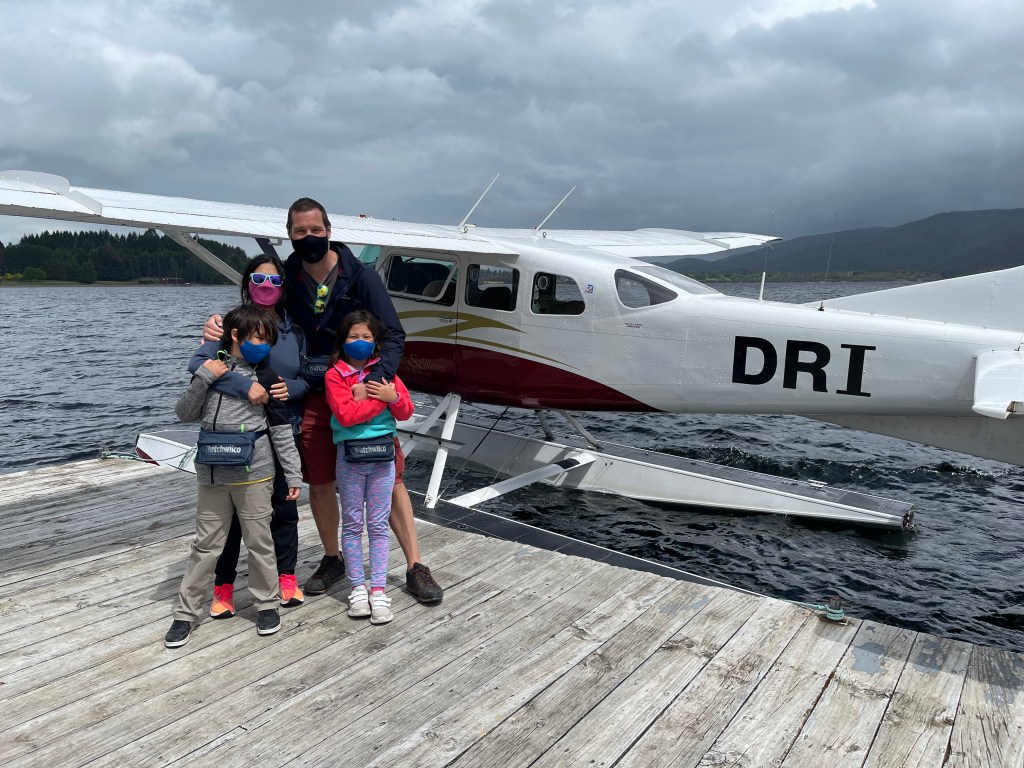
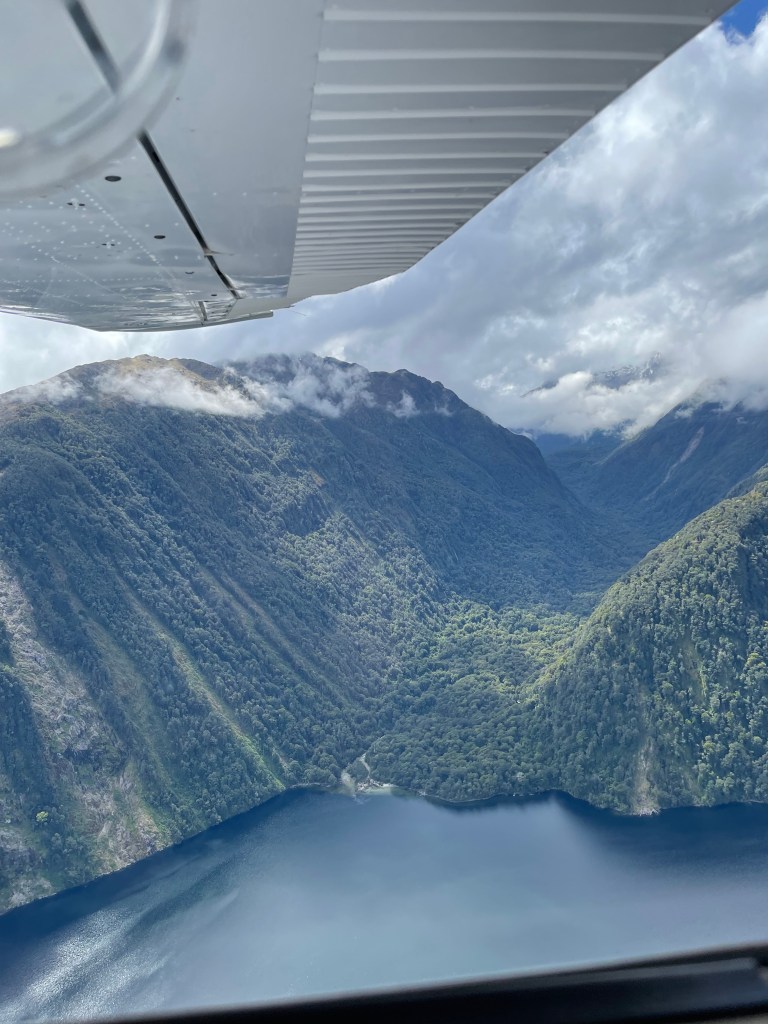
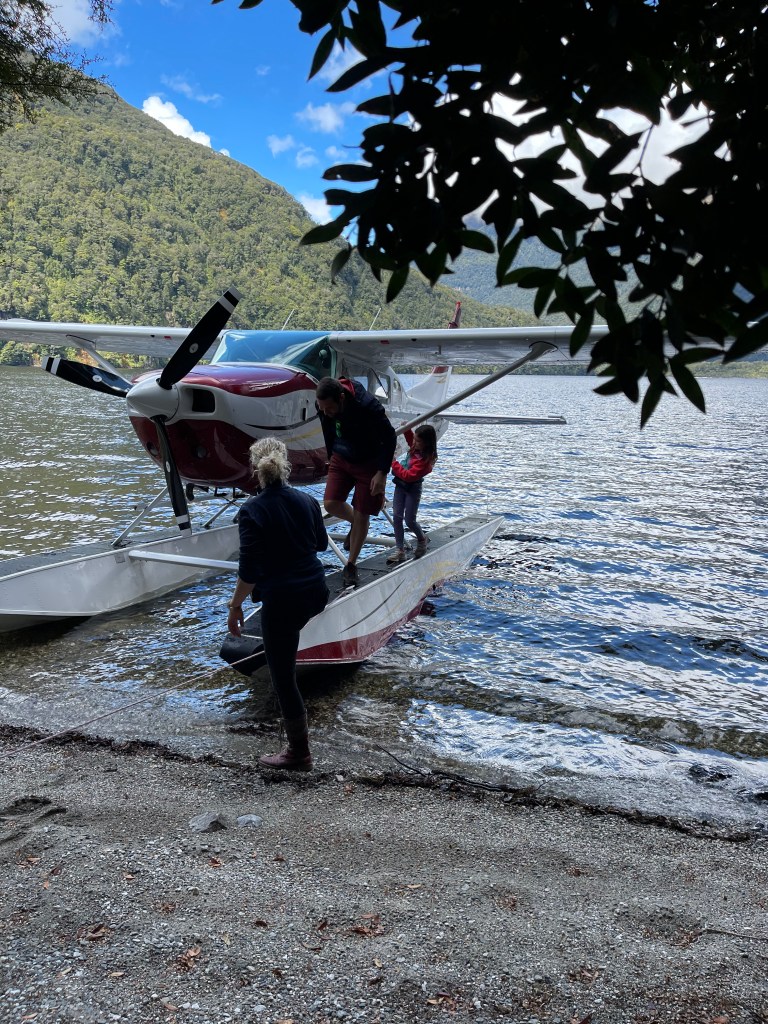
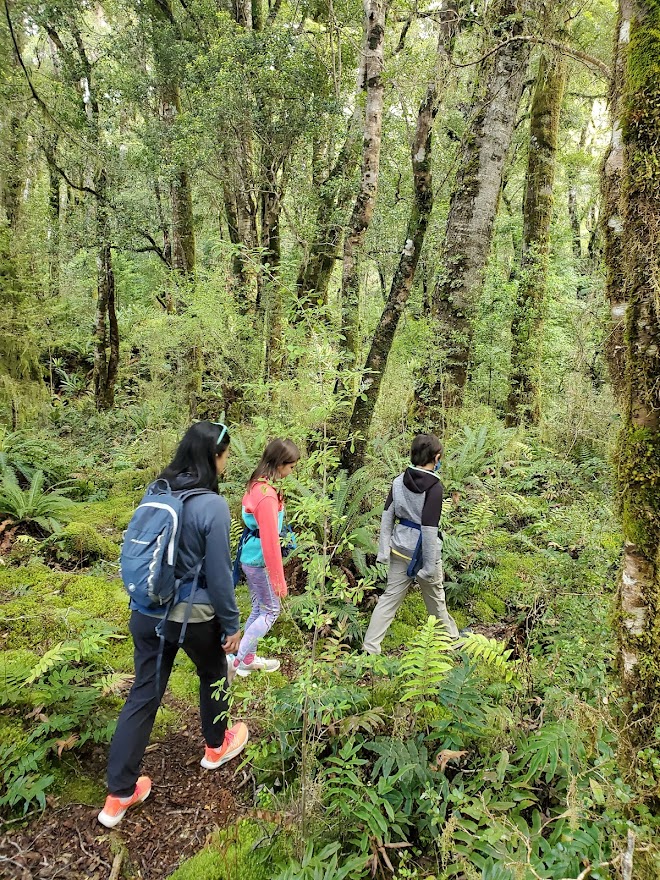
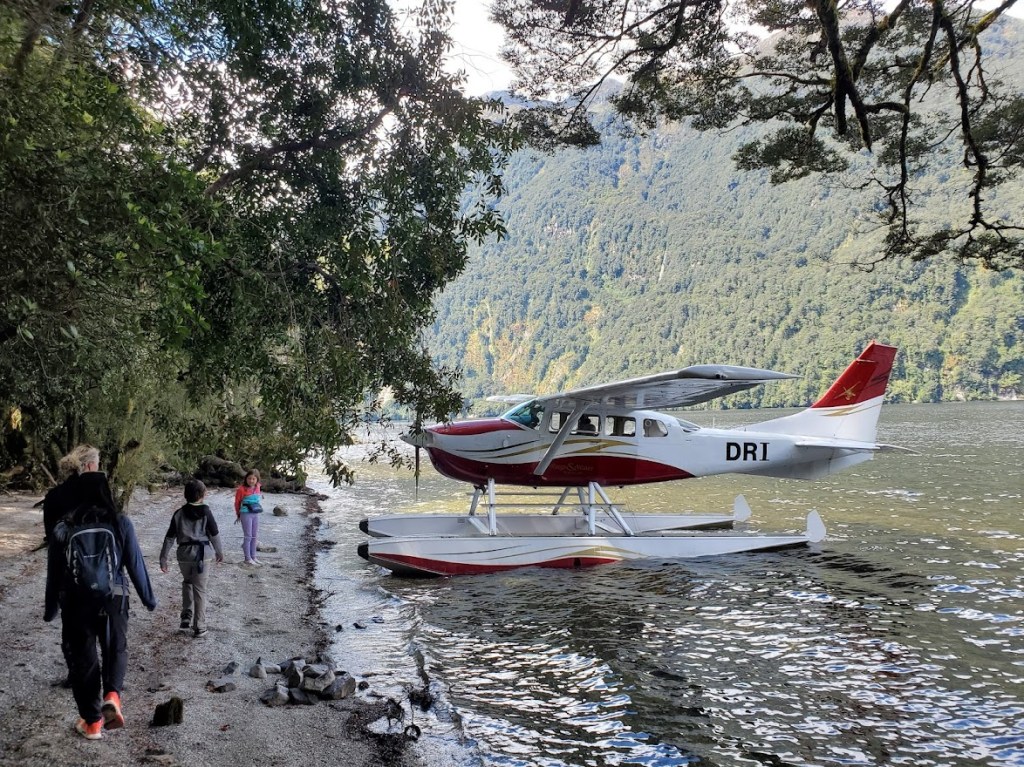
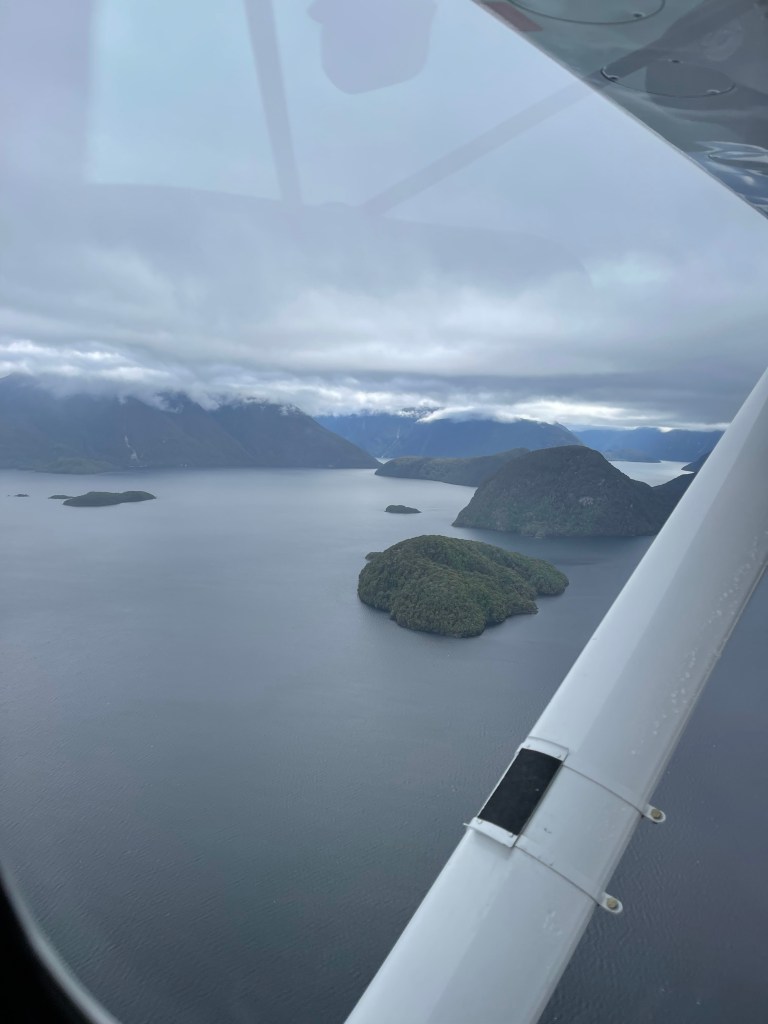
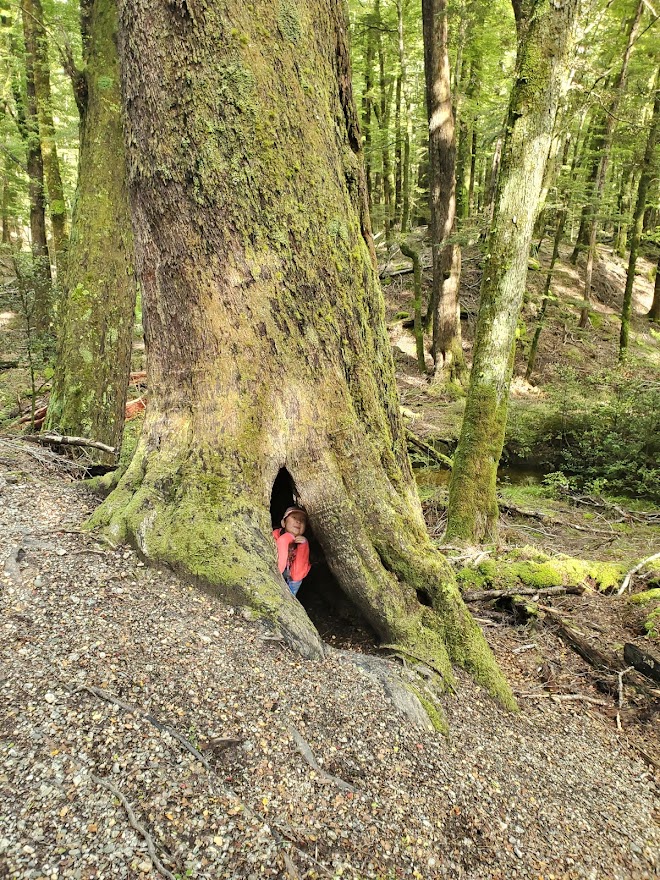
As the weather was bad, we then made a rather rash decision to drive about two hours to Te Anau (pronounced “I know” with a South Carolina accent), a little town on the edge of Lake Te Anau. It’s the largest lake (by volume) on the South Island, and second only to Taupo in the whole country. The drive was beautiful – south along the east side of Lake Wakatipu in the shadow of the Remarkables, a dramatic mountain range rising like a jagged black wall 2000 meters above the lakeshore. Then west through big sheep, cattle and deer farms, until we reached Te Anau. We planned to jump on a tour of the glowworm caves there, but on arrival we discovered that the one remaining tour was all booked up, so we took a ride on a float plane instead. We flew up to the north end of the lake for a short hike through the greenest forest I’d ever seen to a pretty impressive waterfall, all the more so as the water’s safe to drink. Highly recommend the experience!
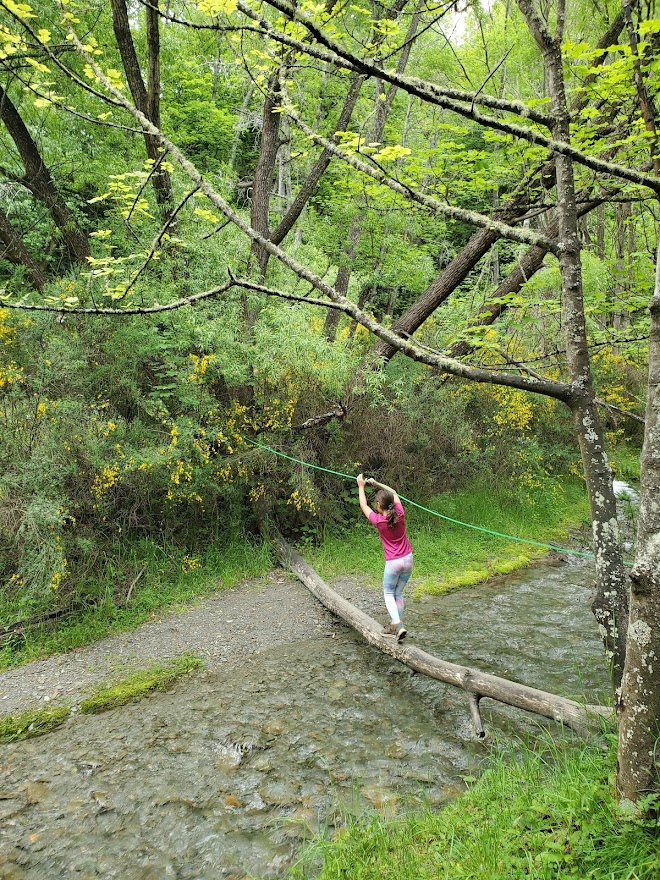
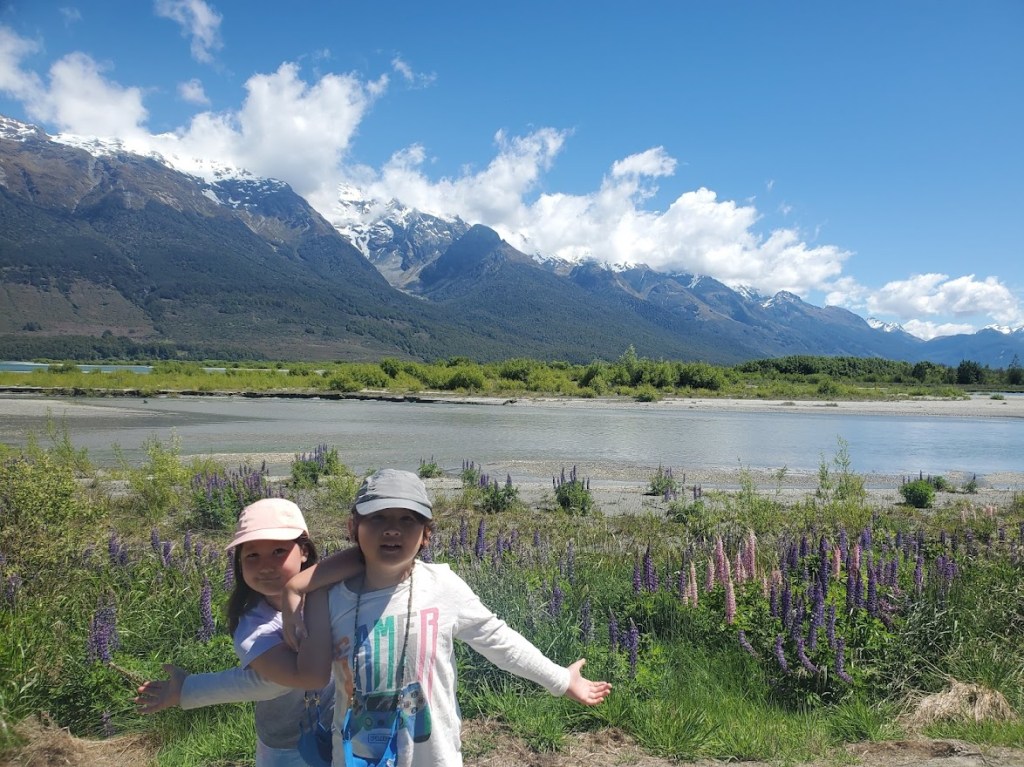
Tuesday the weather improved and we drove up to Glenorchy, on the north end of Lake Wakatipu, and took a couple lovely walks. On the second, the kids and I enjoyed making a game of spotting trout in the river. This area’s known for its great fly fishing, and the trout are massive by U.S. standards. Real monsters.
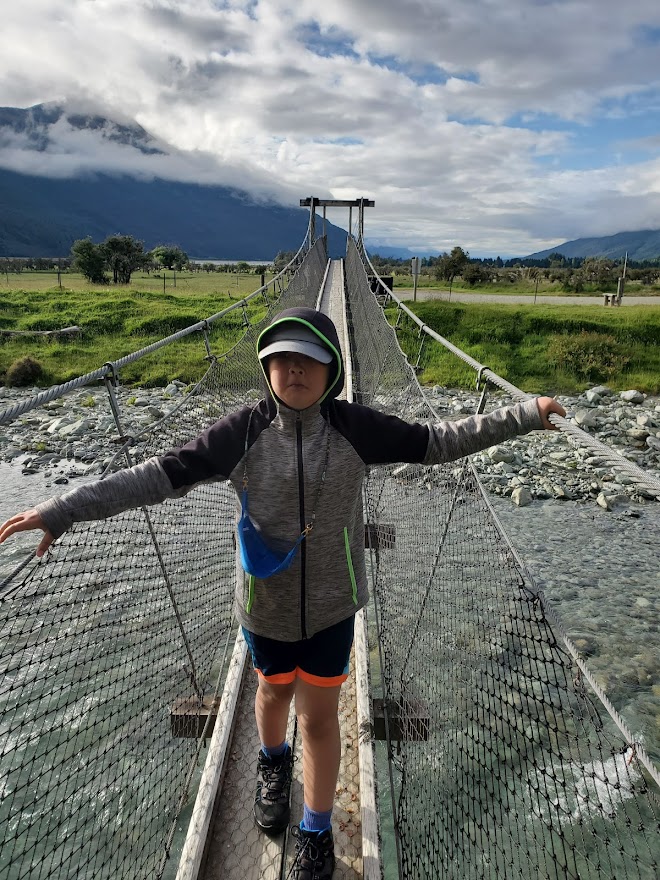
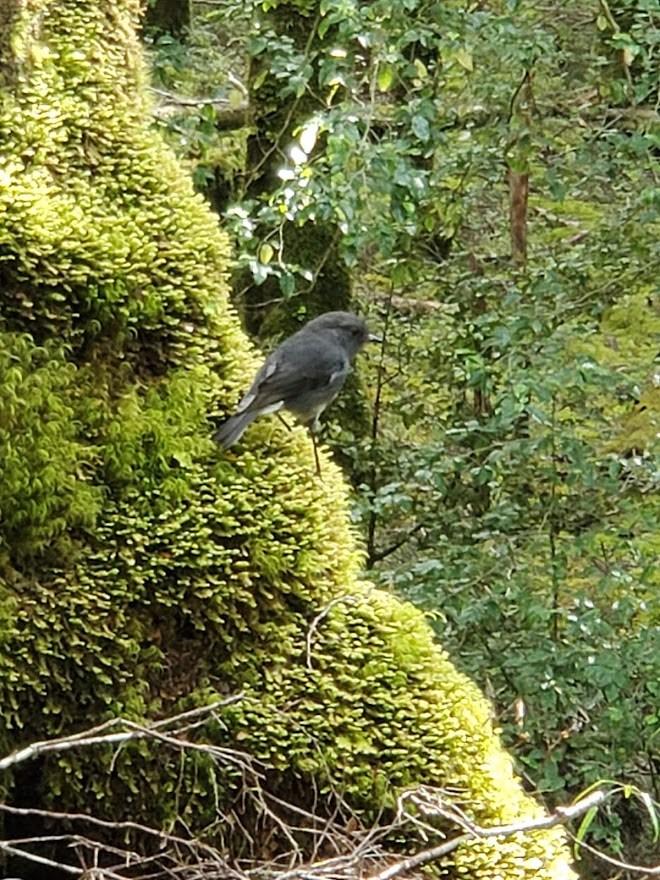
These suspension bridges are the best.South Island Robin
Wednesday we went to AA (the equivalent of the DMV and AAA and a few other things) to get our New Zealand drivers’ licenses, which felt like a big deal (and took a looooong time), and then had a shopping day in town. Queenstown has great outdoor stores and lots of restaurants, bars, adventure tourism businesses, spas, etc., and feels to me like a pretty typical ski/mountain biking resort town. A couple times I was pleasantly embarrassed when I asked for a case (with fancy sunglasses, or multi-tools) to be opened only to be informed that it wasn’t locked. New Zealand :). I also got a shave and haircut at a hipster barber. It turned out much better than my last Gizzy haircut, which was so awful I had to shave my head.
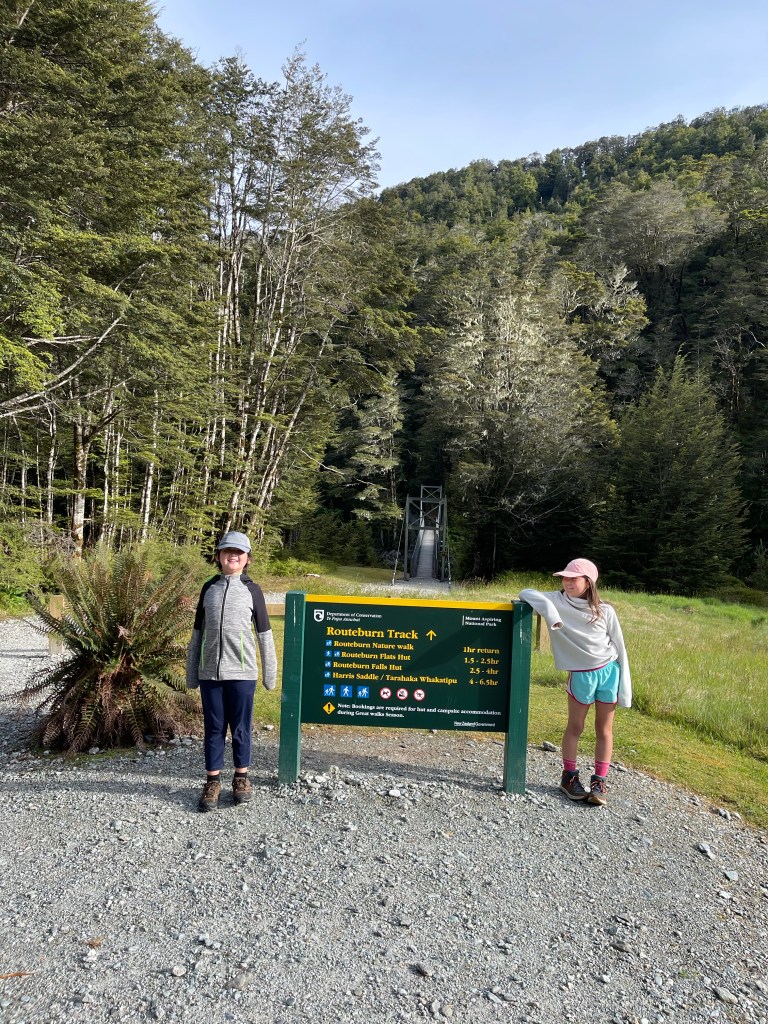
Later, at the fancy icecream joint in town, a good samaritan overheard Michelle and me discussing hike options for the next day and recommended that we do the first chunk of the Routeburn Track, one of New Zealand’s ten Great Walks (the Great Walks are basically the most popular multi-day hikes in the country). So that’s what we did!
The trailhead was just a couple km beyond where we’d hiked near Glenorchy on Tuesday, but that was fine. We once again enjoyed the drive up the lakeshore and through the sheep fields beyond (we had to stop a few times for wayward lambs to clear the road), and the kids composed songs in elvish in honor of the fact that we were driving through so many locations where they filmed Lord of the Rings (this was made all the more ridiculous by virtue of the fact that the kids haven’t seen the movies).
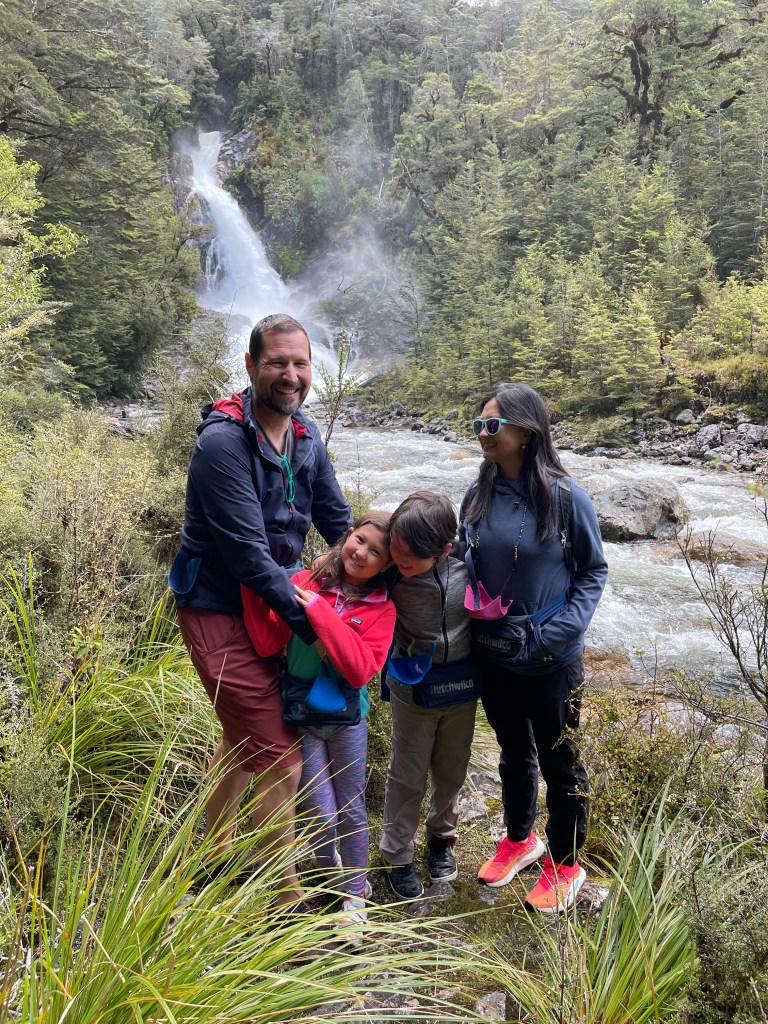
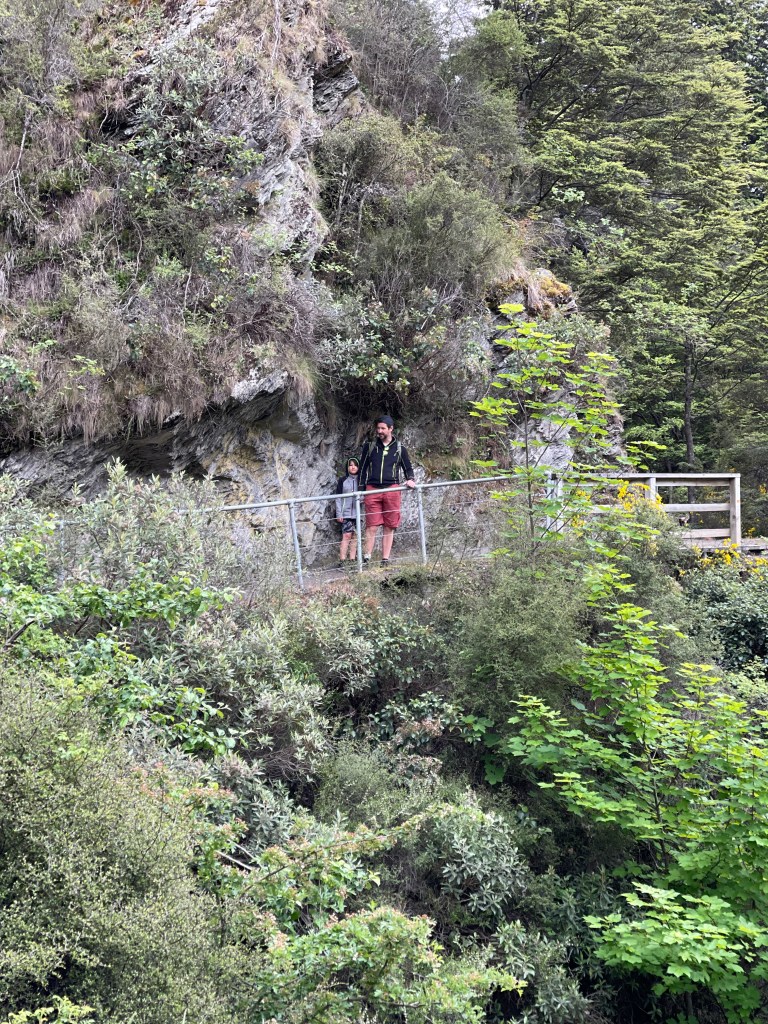
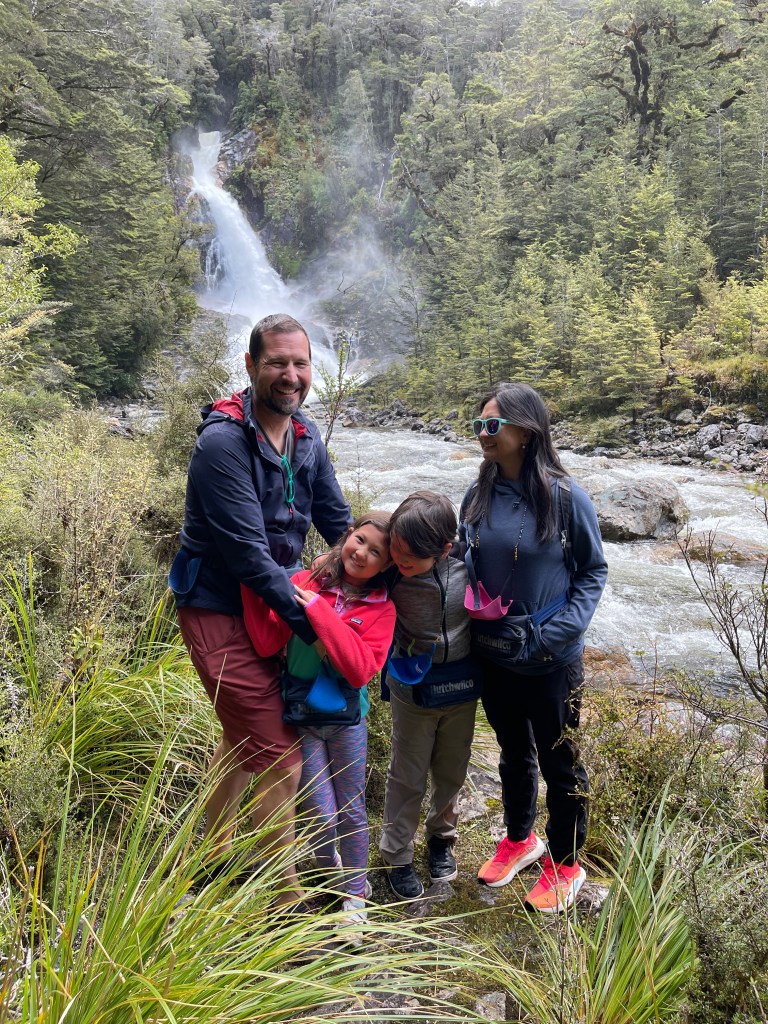
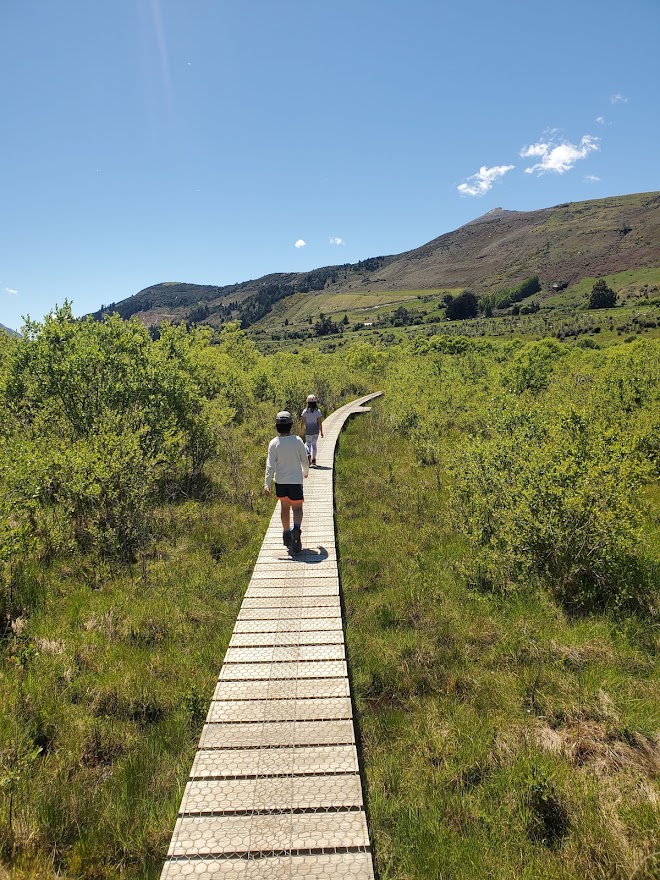
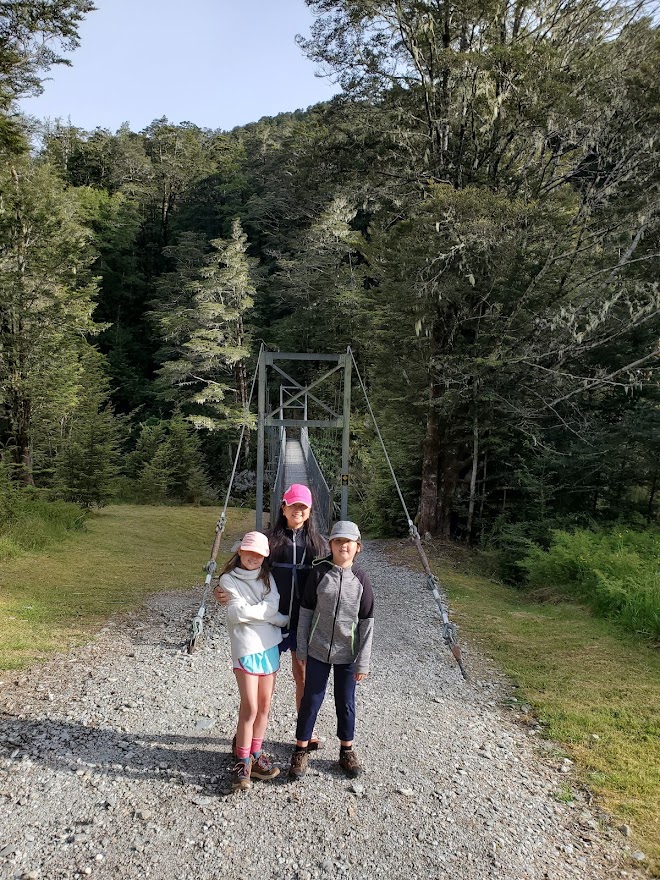
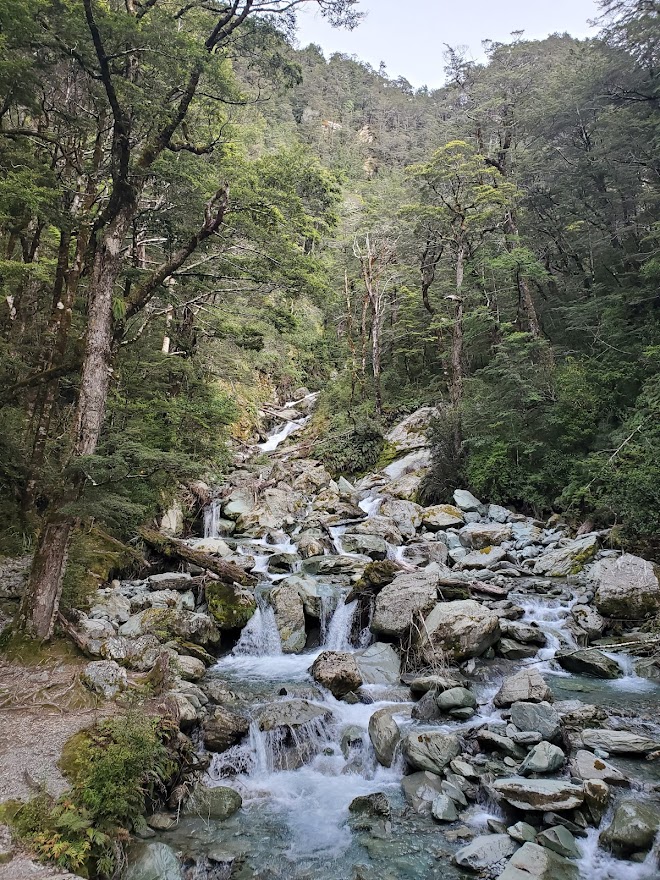
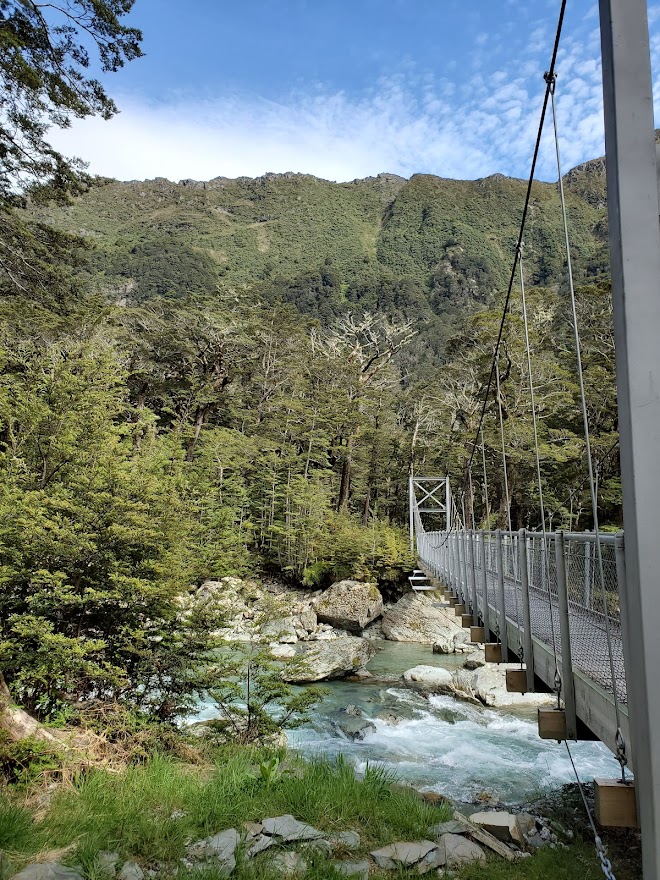
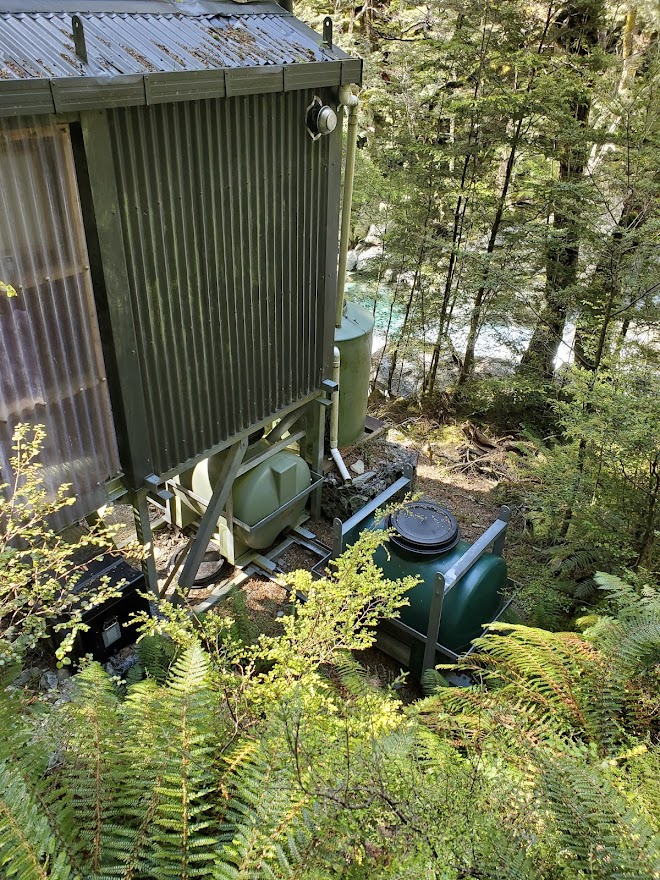
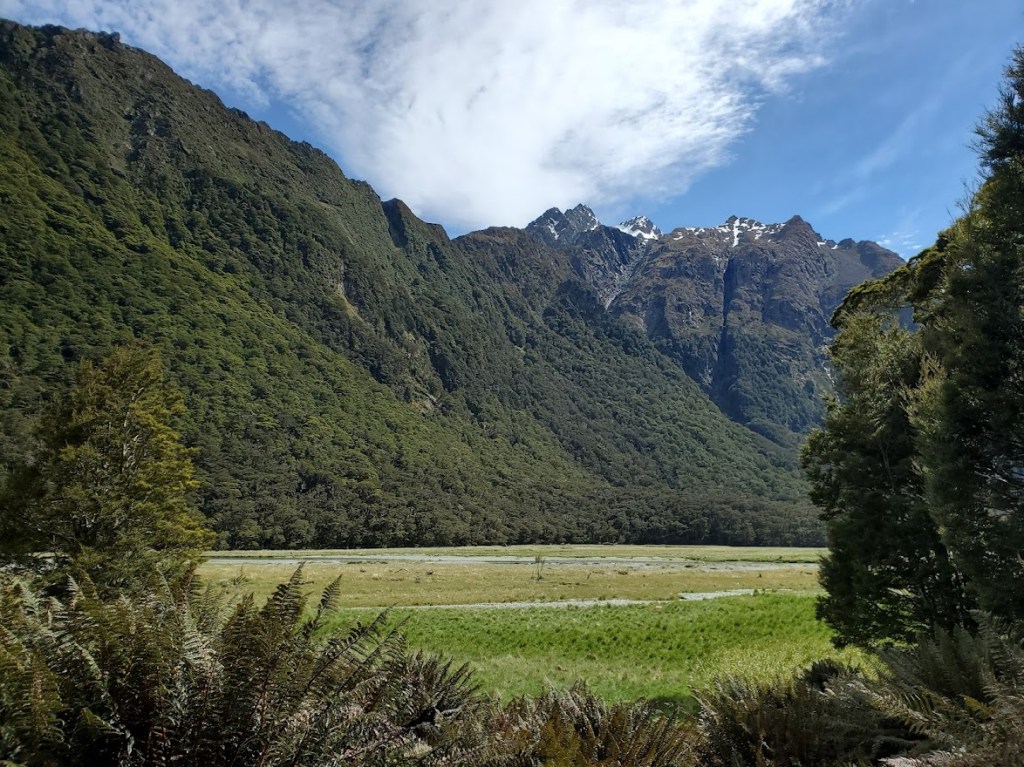
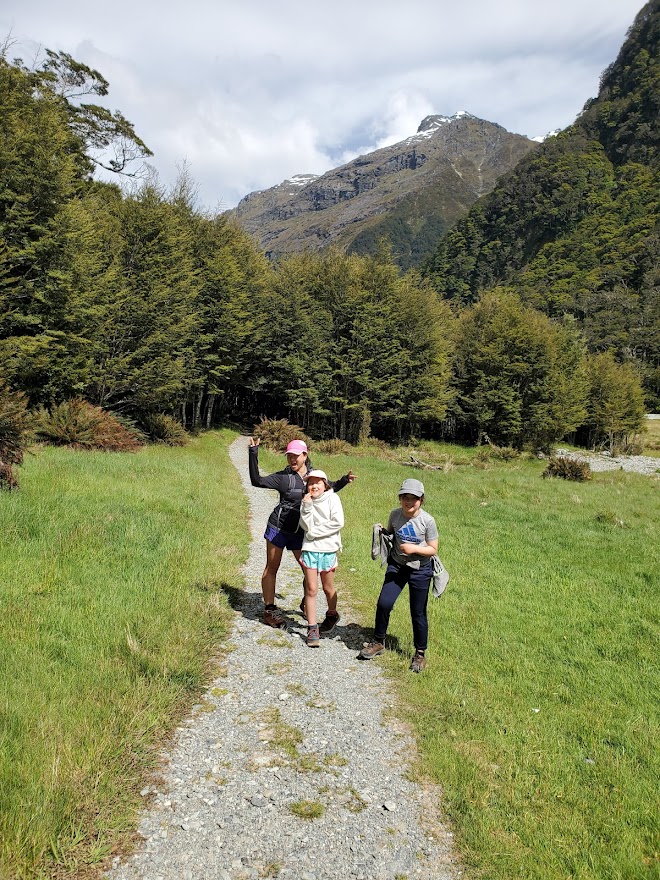
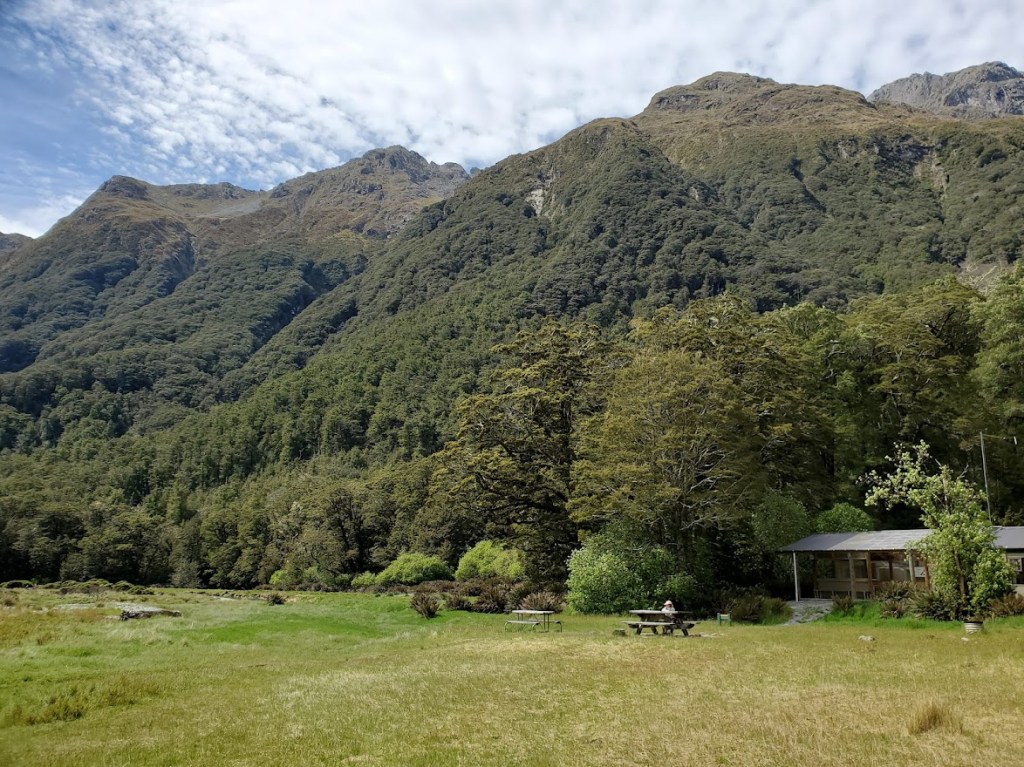
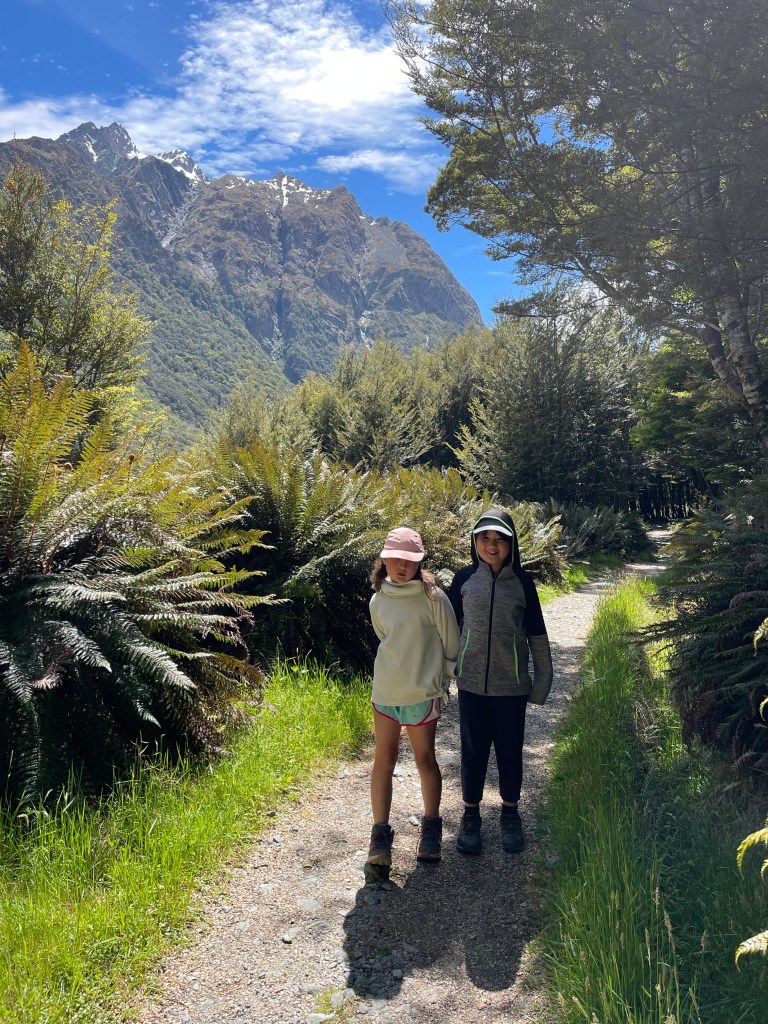
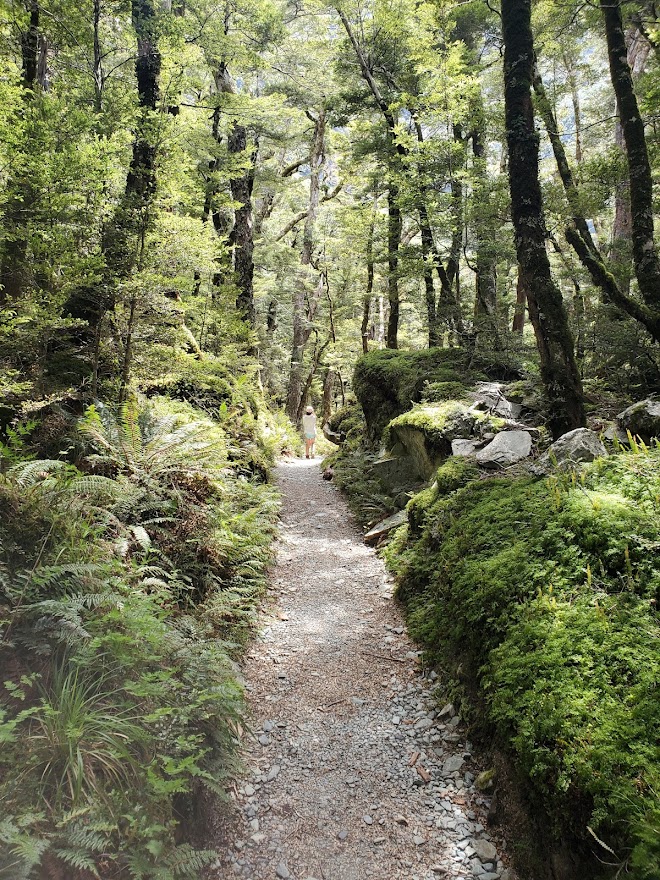
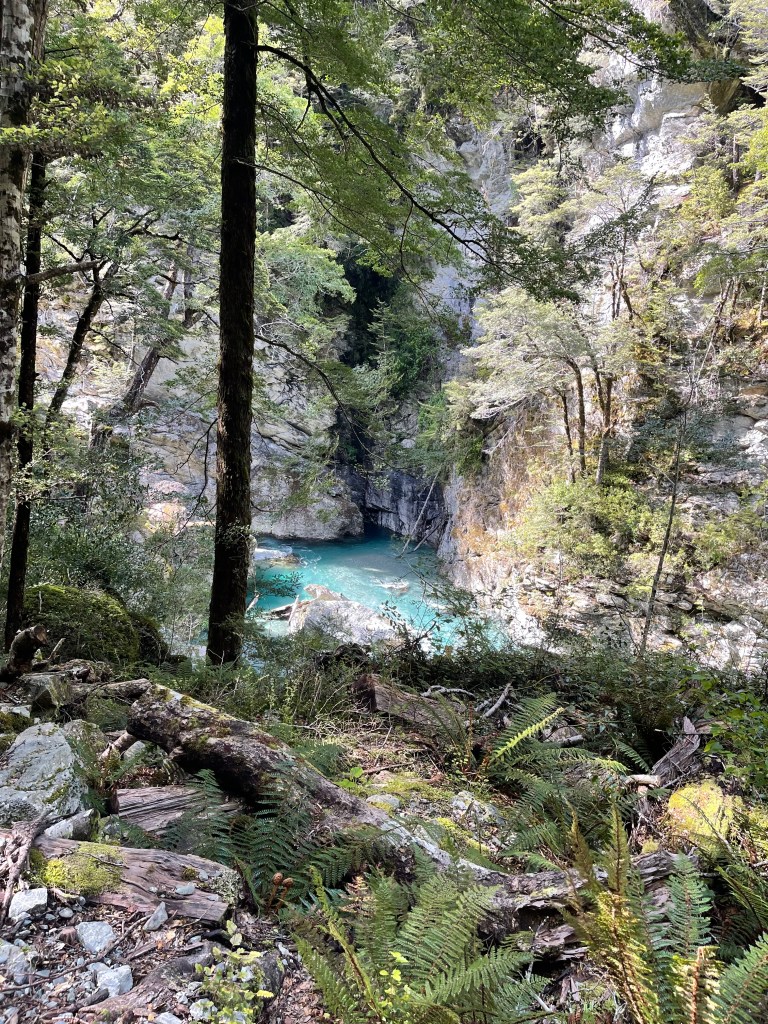
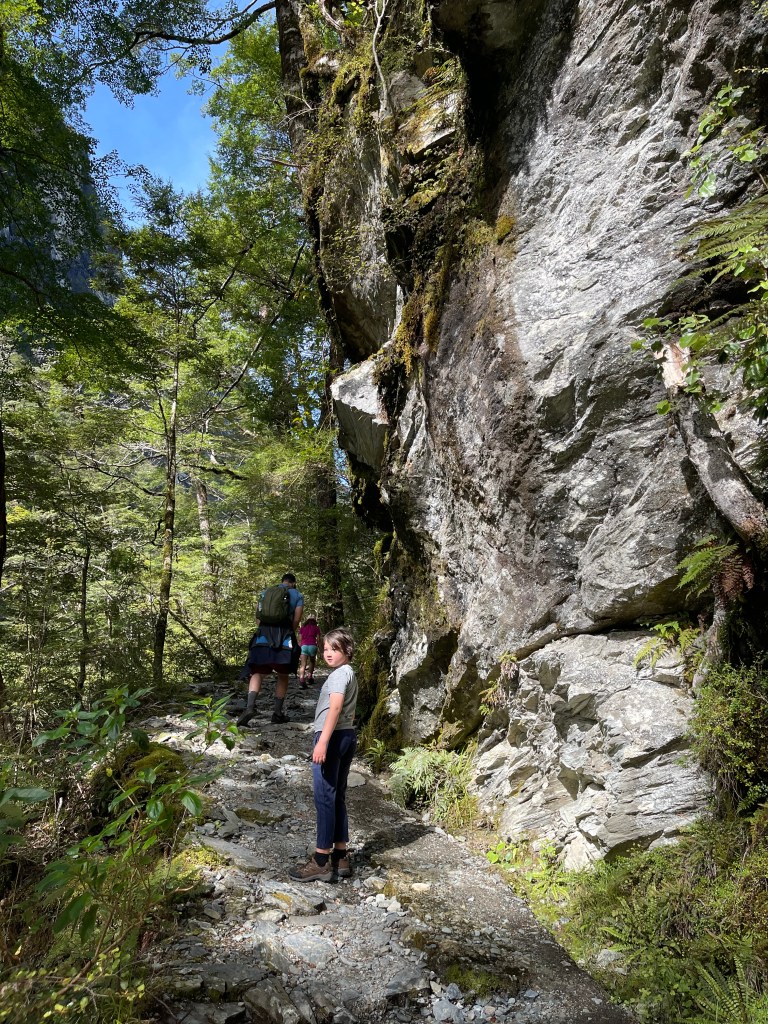
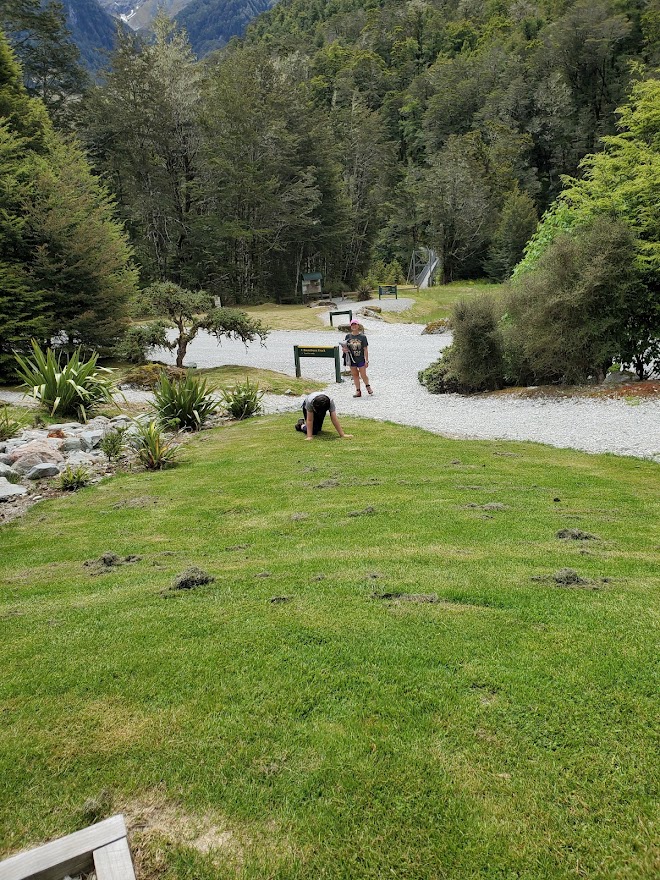
The track was pretty easy hiking and so lovely that it felt like we were cheating. Even the views from the parking lot were stunning. Most of the section we did followed the west branch of the Dart River, through deep canyons and past dramatic waterfalls. There were a few suspension bridges, which we all enjoyed, and a port-a-potty about 4 km up that was spotless and stocked with hand sanitizer, which seemed amazingly civilized. It was also rather clear that its tanks are exchanged by helicopter, which the other members of the family found far less exciting than I.
We’d hoped to make the second hut on the trail, which is next to a big waterfall, but the kids were pretty tired when we stopped for lunch at the first hut, so we turned around there. In all we were really impressed with the kids’ endurance, and super excited to do more with them, including some multi-day hikes.
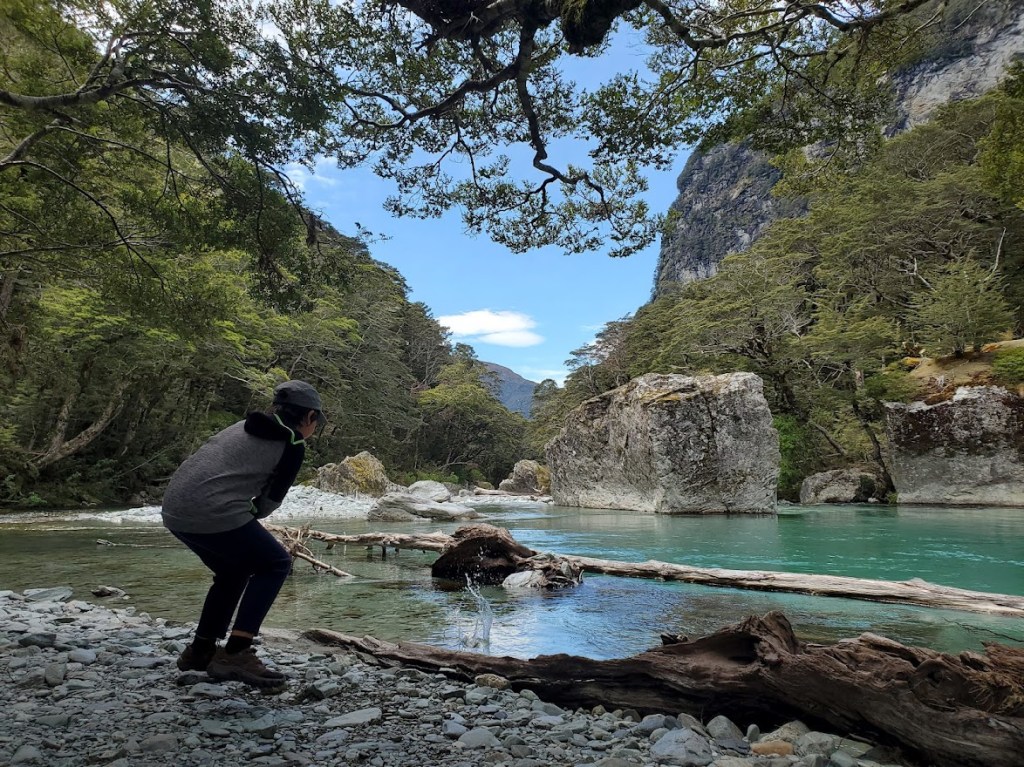
Toilet technologyMaika chilling at our lunch spot.Sweet spot for skipping stones.Emlen’s dramatic finish.
Friday we’d planned to do a “funyak” trip on the Dart River out of Glenorchy, but it was canceled due to weather, so Michelle took the kids to the town pool and I booked a massage, which felt very indulgent and vacation-y. We grabbed a final bubble tea as the temperature fell to around 8 C (about 46 F), and we all started feeling pretty keen to get back to sunny Gisborne, where it’s been in the high-20s for a few weeks (i.e. perfect).
Saturday morning was cold and rainy. We had another lovely breakfast and headed to the airport, which has decent ramen. We left at one pm and were back home and in the heat by four, which was pretty amazing given how completely different Queenstown feels.
In all it was a lovely week. Most of all for the hikes, but more generally as it expanded our view a bit and primed us to explore more of the country. It also made us feel really quite fortunate to have wound up here in Gizzy, which suits us so well.
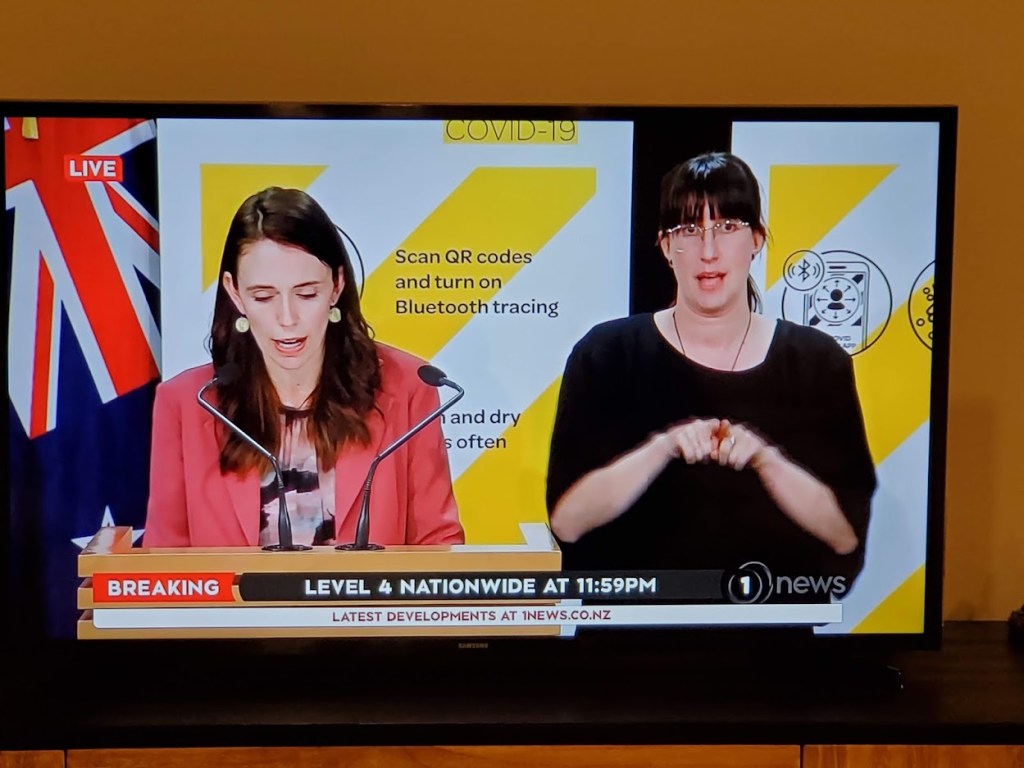
Last Tuesday, New Zealand went into lockdown after a case of COVID-19 was identified in the community, the first case of community spread for over a year. There have been other cases in the interim – lots of people coming into the country test positive while they in Managed Isolation Quarantine (MIQ), and while we were in MIQ back in February, there were a handful of cases in Auckland that caused the city to go into lockdown for a few days and the rest of the country to go to Alert Level 2. Those cases were pretty quickly traced back to an MIQ facility – if I recall correctly, a family was exposed by their high school kid, who got it from her secret sweetheart who worked in an MIQ facility. Juicy stuff.
The current lockdown was in reaction to the positive test of a 58-year old with no connections to MIQ. He had traveled from Auckland to the Coromandel, a rather hot tourist destination, during his infectious period. So the whole country went into lockdown while the government went to work tracing his movements and contacts, and their movements and contacts, and so on and so forth. Ten days in, over 250 people have tested positive, and they’ve traced the source of the outbreak to an individual who returned from New South Wales a few weeks ago, during the period of NZ’s “bubble” with Australia.
The country is at Alert Level 4, which means everything is closed save essential services (e.g. hospitals, grocery stores, gas stations) until at least this Friday. We’re allowed to exercise in our neighborhoods, and to shop for groceries. We are supposed to wear masks except when exercising, and social distancing is back in. The kids are back to distance learning. We’re awaiting an announcement in the next couple days as to whether we will continue at Level 4, or move to Alert Level 3, which would allow restaurants to start offering take-out.
So we now have the dubious distinction of being one of the few families to experience lockdown in both the USA and New Zealand. For the first week I didn’t want to face the reality of it and stayed in the house with the kids, basically burying my head in the sand. Then a few days ago I took a trip to one of Gizzy’s mellower grocery stores, and chilled out a bit as I faced the reality of lockdown here, which is of course not nearly as terrible as one imagines holed up at home.
It’s kind of funny how similar it is to the experience in New York. Toilet paper and baking supplies are in hot demand. The shelves of the major grocery stores are pretty bare. The natural world is flexing, birds filling the gaps left by humans and our cars. I went for my usual run two days ago, and it seems half the town had the same idea. A lot of new faces. The beach was a hot ticket, too. Lots of families making sandcastles, having picnics, walking dogs.
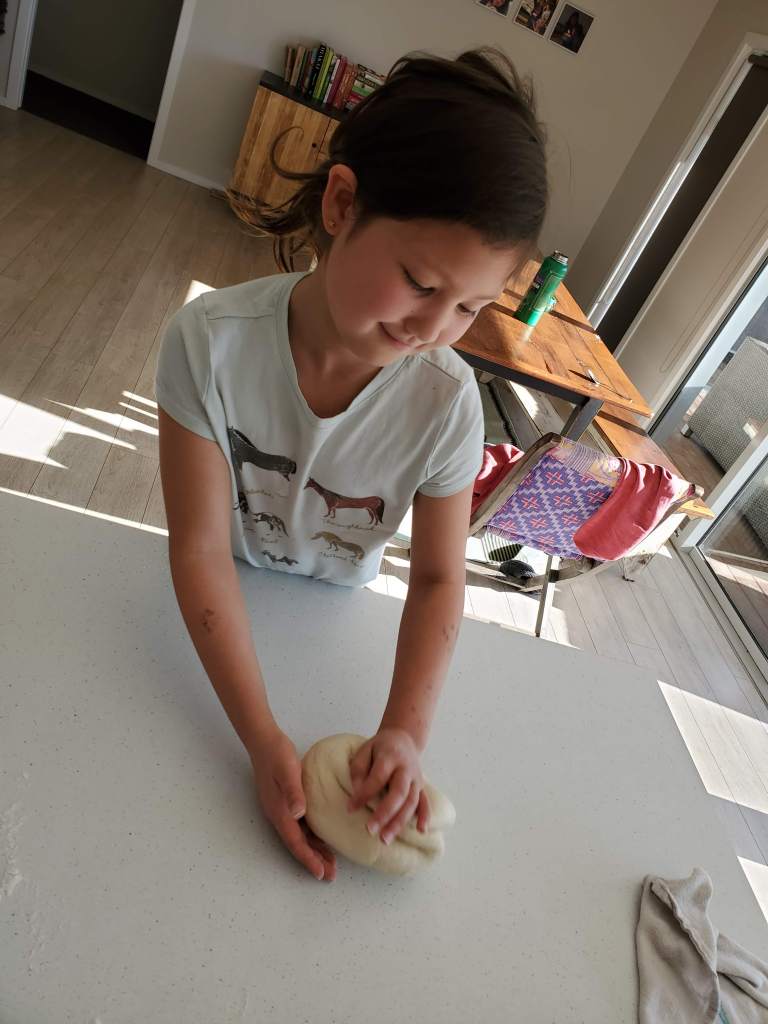
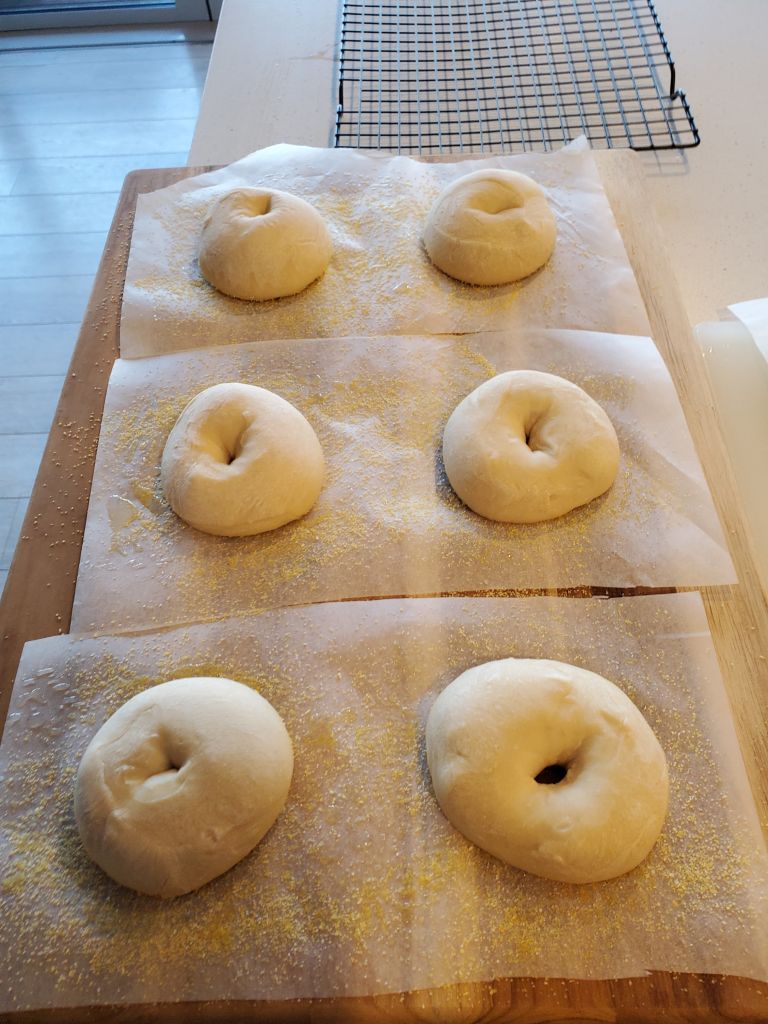
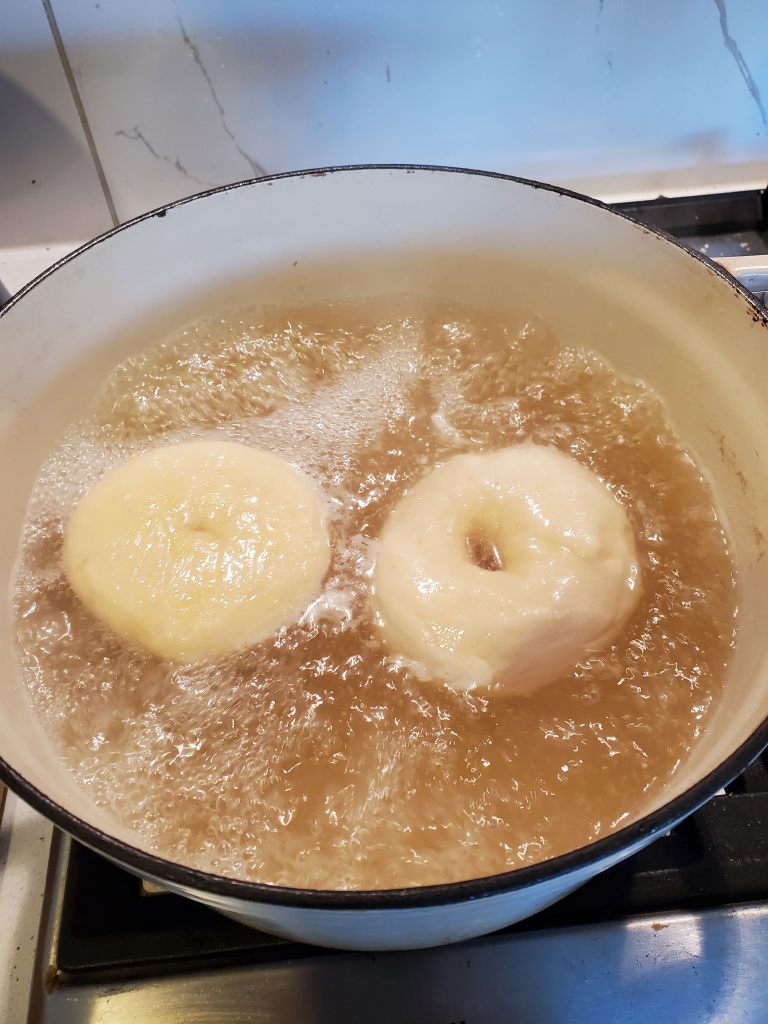
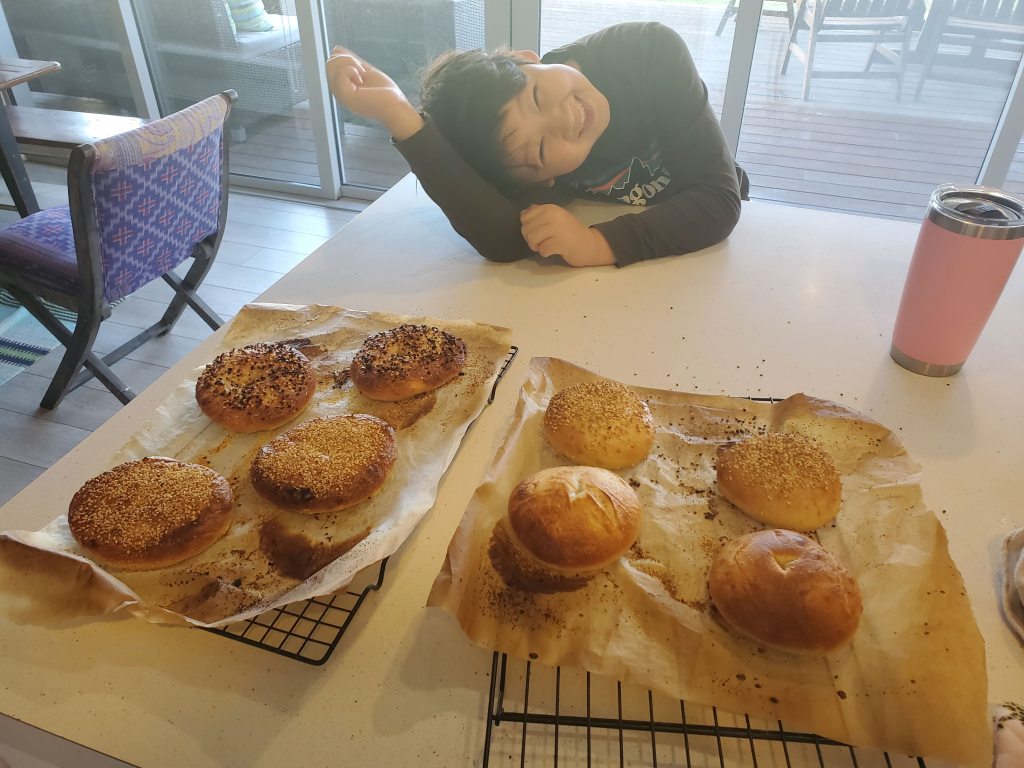
This lockdown we’ve taken up bagels. As noted in a prior post, we’ve found the food here pretty amazing, but bagels are a sad exception. New Zealand is rich in many things, but a Jewish community and the culinary riches that follow are sadly lacking. We’ve been pretty happy with our early attempts, though there are still wrinkles to work out. I’m coming to terms with the reality that one can be a person that posts pictures of their bagels on Instagram or a person that posts pictures of their abs on Instagram, but not both. Prior to this lockdown, I was optimistic about my prospects in the latter category. Lately I’m facing the (albeit delicious) reality that I’ll likely remain the former for some time.
The lockdown is of course an opportunity to engage with our friends and acquaintances online about their theories on the vaccine, socialism and conspiracy theories more generally. I’m afraid that the plague of Trumpy Q-Anon-type thinking is alive and well in New Zealand, though it does seem to be a less infectious strain than in the U.S. For the most part, people here are getting vaccinated, which is of course consistent with the way that the “team of 5 million” has generally handled the pandemic, sharing sacrifices like this lockdown in order to keep country virus-free. To date, there have been 3,159 cases of COVID and 26 COVID-related deaths in the country, and people are able to live pretty normal lives here, save the absence of international tourism, workers, and somewhat greater difficulty getting goods shipped from overseas. The per capita death rate here is 400 times less than the UK. Seems pretty impressive from a public health perspective, and while the economy has certainly taken a hit, NZ is arguably better off in that regard than countries that have put dollars ahead of lives, too (e.g. our unemployment rate is at 4%). It bears note that New Zealand’s health care system is under-resourced and understaffed, so that if COVID did start spreading through the community, we’d likely be overwhelmed pretty quickly. Happily the vaccination process is well underway (though also well behind the US – in part because of the fact there was no COVID here, the government did not expedite the approval process, and it seems Pfizer also prioritized delivery to countries with outbreaks).
Lockdown has also been an opportunity to reflect on our first impressions of NZ and how we’ve adjusted to life here. We’re now a little over six months in, having almost made it through our second straight winter.
Typical winter day at the beach.
On our first night in this house, I awoke to the sound of some kind of creature walking across the floor in the living room, which was rather anxiety-producing. After checking on the kids, I searched the house while running through the rather short list of four-legged critters that inhabit these islands. I wondered whether it was common for possums to get into people’s houses and reassured myself with the fact that the country is rabies-free. I realized the next morning that I’d left a window open overnight (screens are a rarity here, as bugs aren’t really that much of an issue, at least in this part of the country), and we ultimately decided that it had probably been one of the feral cats that roam the neighborhood. A few days later I paid my first visit to the local coffee shop, by the beach just about a mile down the road, and was delighted to find that there was a horse hitched up outside. And of course a few days later we had the earthquake. At the time, we didn’t have much context to figure whether these were one-off experiences, the new normal, or something in-between. Happily, there haven’t been any more late-night visitors or big earthquakes in the last few months.
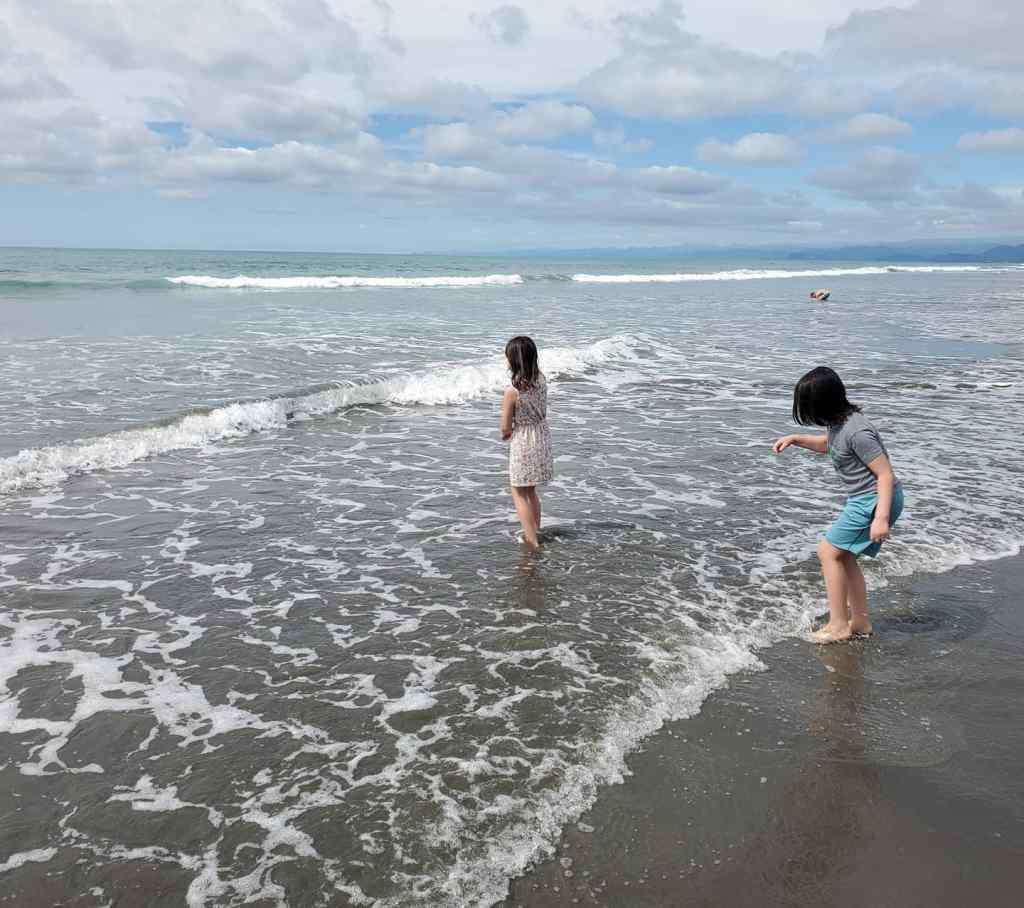
There are, it turns out, quite a few horses down at the beach, though, and I am always delighted to see them. This is apparently one of the few beaches in the country with no restrictions on horseback riding. With respect to other early expectations, we definitely consume fewer meat pies than it seemed we would in those early days (thank God). I have wholeheartedly adopted cookies and leather as my new deodorant, though I’m afraid “48-hour fresh” is an exaggeration to say the least. As a family we’ve taken various approaches to the linguistic differences: Michelle and the kids say “tomahto” and Emlen has taken to calling me “bro,” which I happily reciprocate. We all say “sweet as” and the kids wear jandals if they wear shoes at all.
Gizzy is quite a rural community, with lots of farming and logging, and thus a lot of utes (pickups) and gumboots (the Kiwi term for what we’d call muck boots in VT). The most common utes are the Hilux (as we expected) and the Ranger, which Ford never stopped selling here (they did in the U.S. for about a decade). There’s quite a lovely and, from what I can tell, universal practice of removing your gumboots before entering a restaurant or other public space, and so you’ll often see a pair or two of boots lined up outside a restaurant, and people inside in work clothes and stocking feet. Of course, being a cruisy beach community, shoes are optional pretty much everywhere, including school, cafes and the grocery store, and bare feet are ubiquitous. We all are much delighted by this happy discovery. Also, I have to say that TV here is excellent, especially the news and commercials, some of which are hilarious and some wonderfully sentimental, and remind us a little of American TV in the 80s.
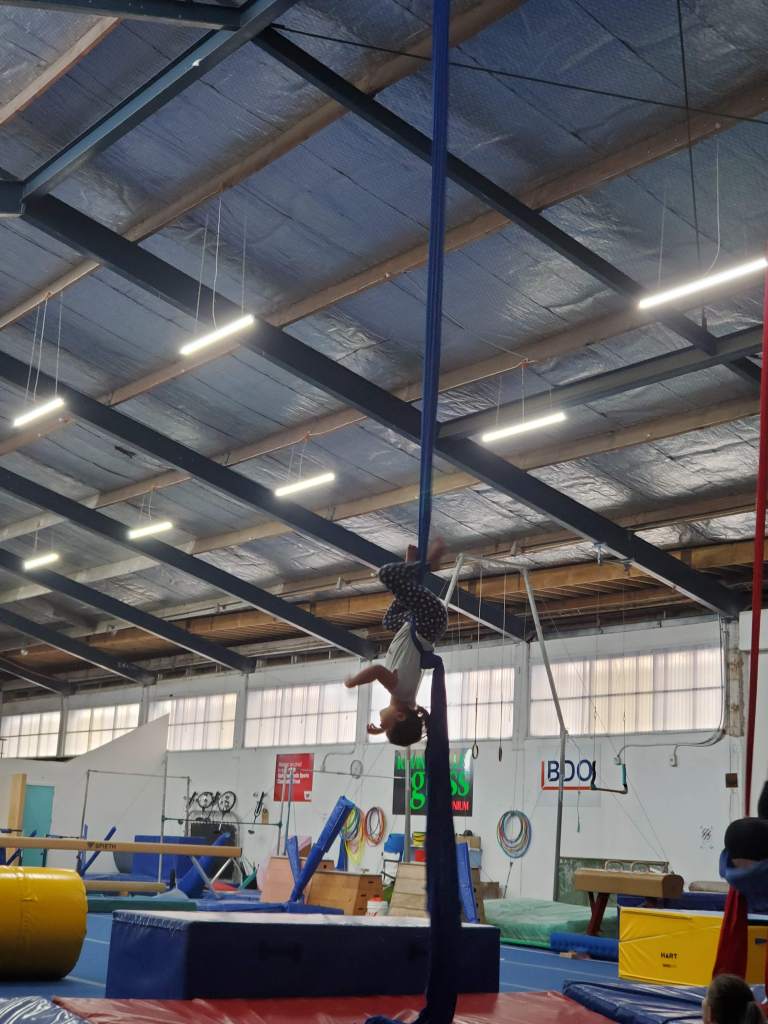
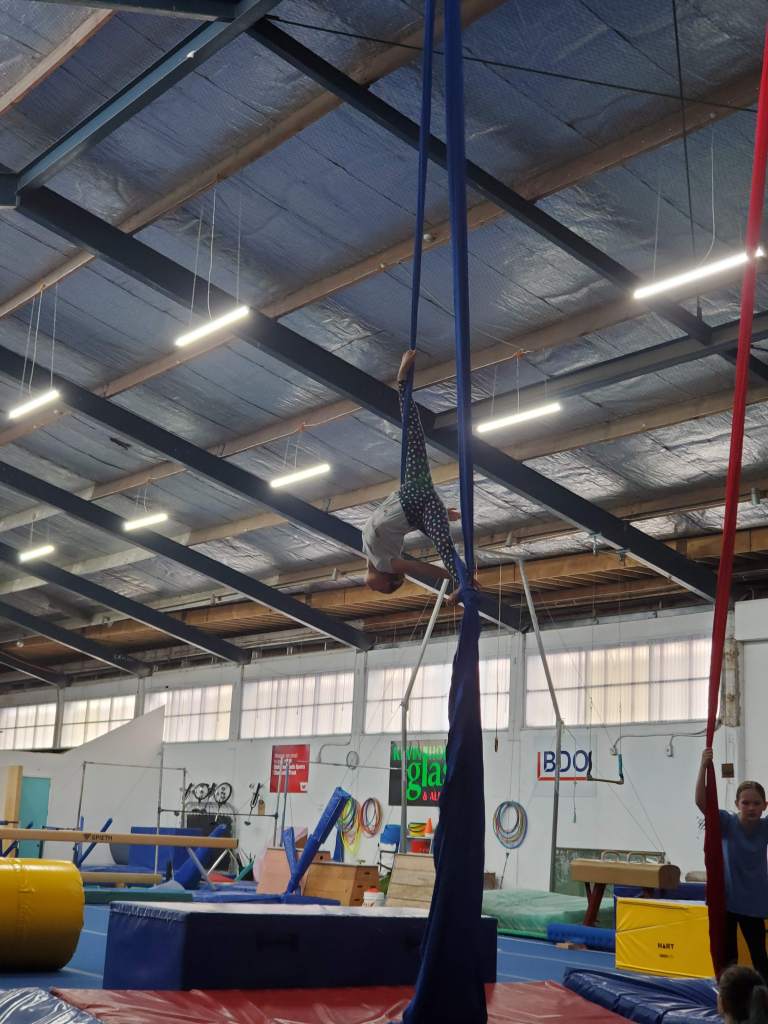
We’ve also been struck by how pleasant life is when decisions aren’t driven by concern about legal liability. Obviously, for Michelle, practicing medicine here is quite different, though the liability issue is just one factor of many. What with public health care and accident coverage, the kids also have a lot more freedom at school to climb trees, skateboard, and take snorkeling field trips (as early as age 6!), and of course, beekeeping. For school pick-up, we parents are encouraged to come onto the school grounds and wait by our kids’ classrooms. On a similar note, it’s hard for me to imagine aerial silks classes for kids in the U.S., at least in Westchester. Adjusting to this reality has definitely brought out the risk-averse American in me. I found it a pretty nerve-wracking to watch my 8-year old hanging from a piece of cloth 20 feet above the floor, but she loves it and is really quite good at it, so . . . yeah, I’m still freaked out.
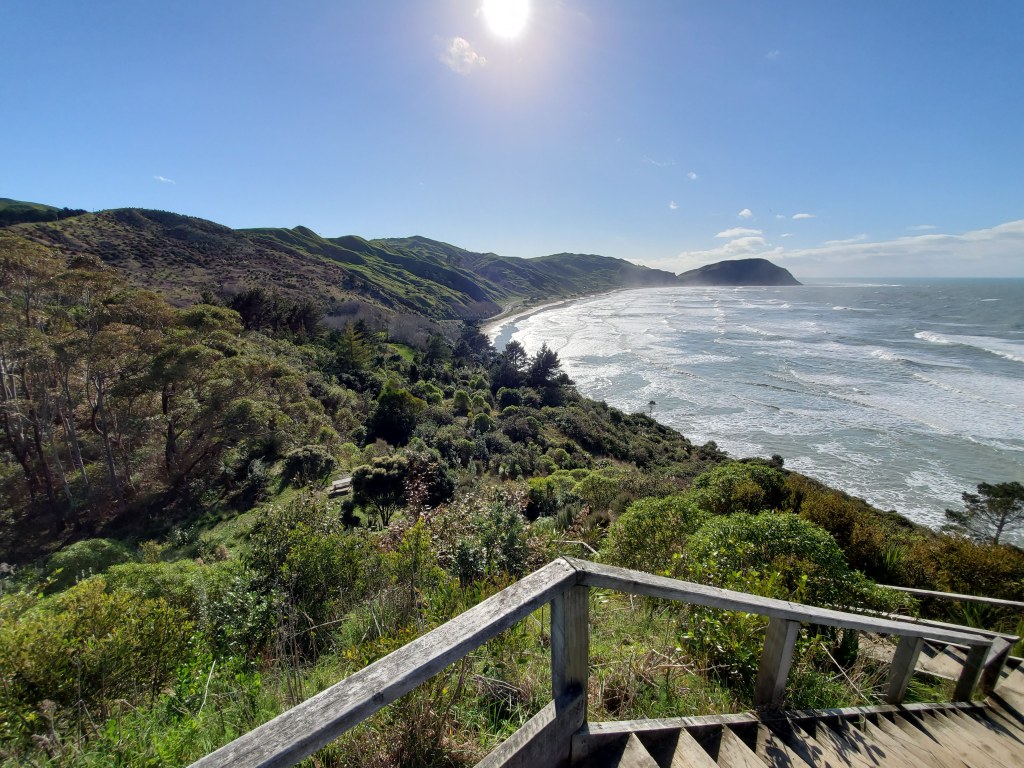
It wasn’t until a few days after buying our second car here, and sitting in the parking lot assiduously arranging car insurance, that I realized that car insurance isn’t actually a legal requirement and only covers damage to the vehicle. We kept it anyway. And although the majority of the rural land here is private, it seems the owners are generally happy to allow hiking and running on their trails, so long as you don’t mess with the livestock. Both Michelle and I have both been running quite a bit, and though it’s a challenge to find new trails as a newcomer to the community, my regular run takes me to my favorite place in Gizzy, maybe in the world. And on that note, I’ll leave you with a picture of it!
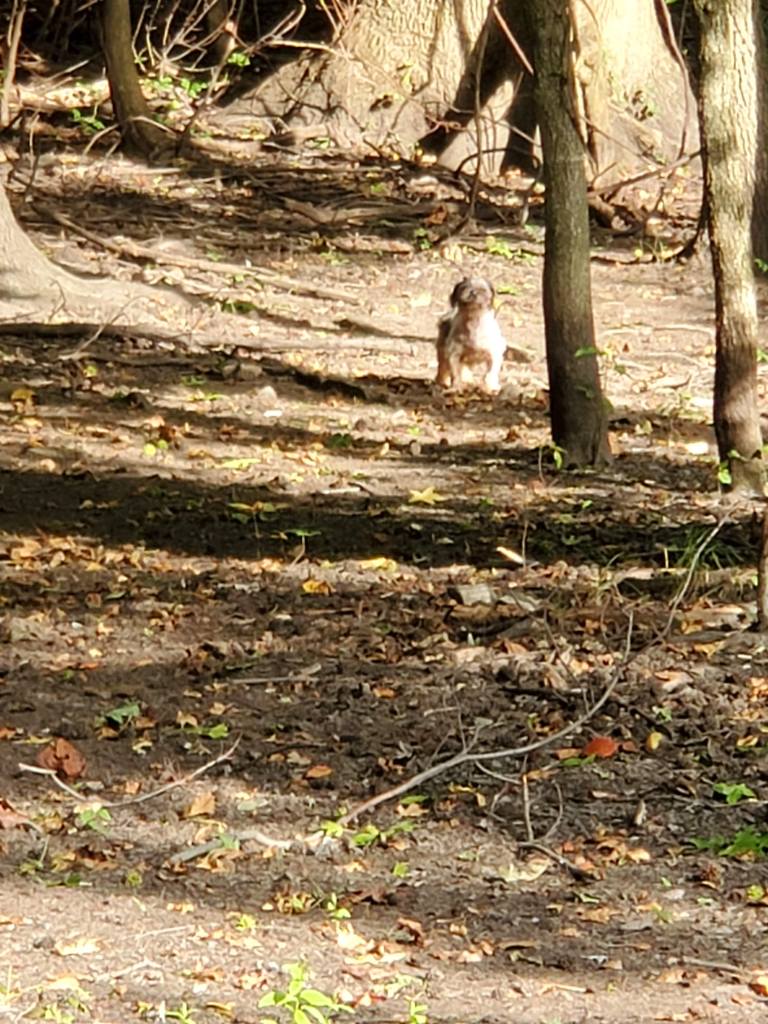
Early September, 2019, the kids were finally back in school and Michelle and I went out for our first run together in what felt forever. A little over a mile in, we hit the north end of Pelham Bay Park, from which we had our choice of a couple paths to ramble. Michelle tends toward pavement, and I to dirt. That day we did it her way, down the bike trail along Shore Road. About ten minutes in we heard high-pitched barking from a ragged strip of forest between the road and golf course. It was a kind of marshy area of small trees, the forest floor pretty well covered with poison ivy. It didn’t seem a likely place for a dog.
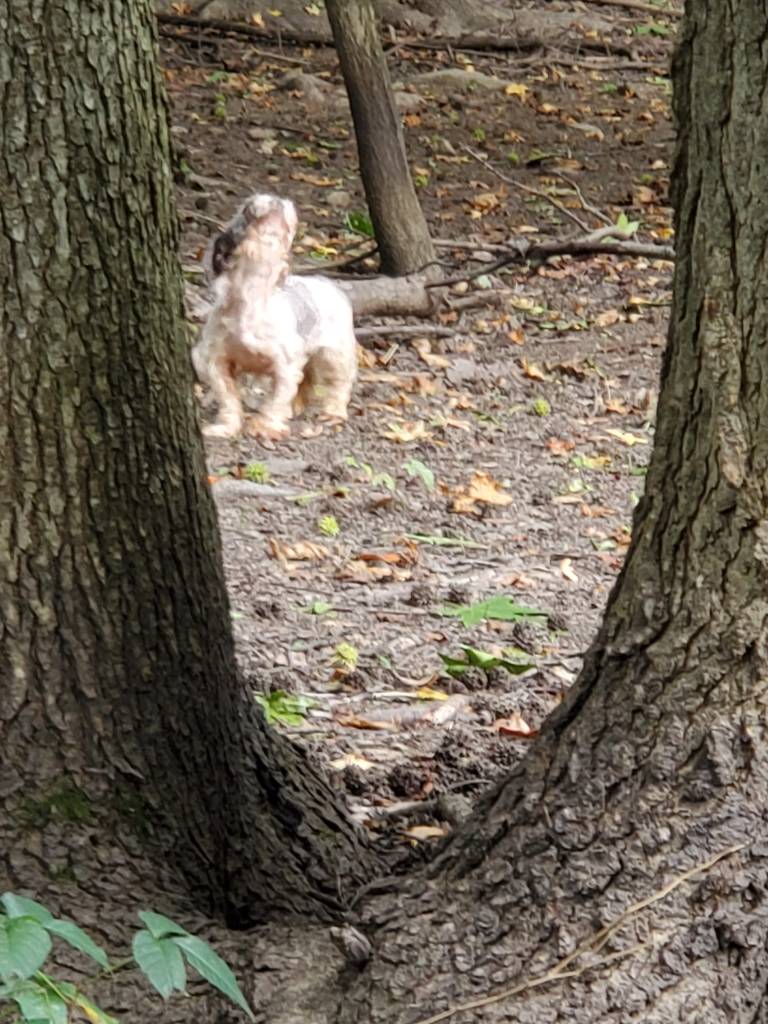
She was about fifty feet back into the trees, barking desperately. When I approached, she backed away, but not far. I took a picture and threw it up on the Parents of Pelham Facebook group to see if anyone had lost a dog. Then found that I couldn’t leave it at that, so I sat down on the path and set about trying to get her to come to me. Michelle suggested that if I got her to come over I might fashion a leash from the belt of my running backpack, which I dismissed as unworkable.
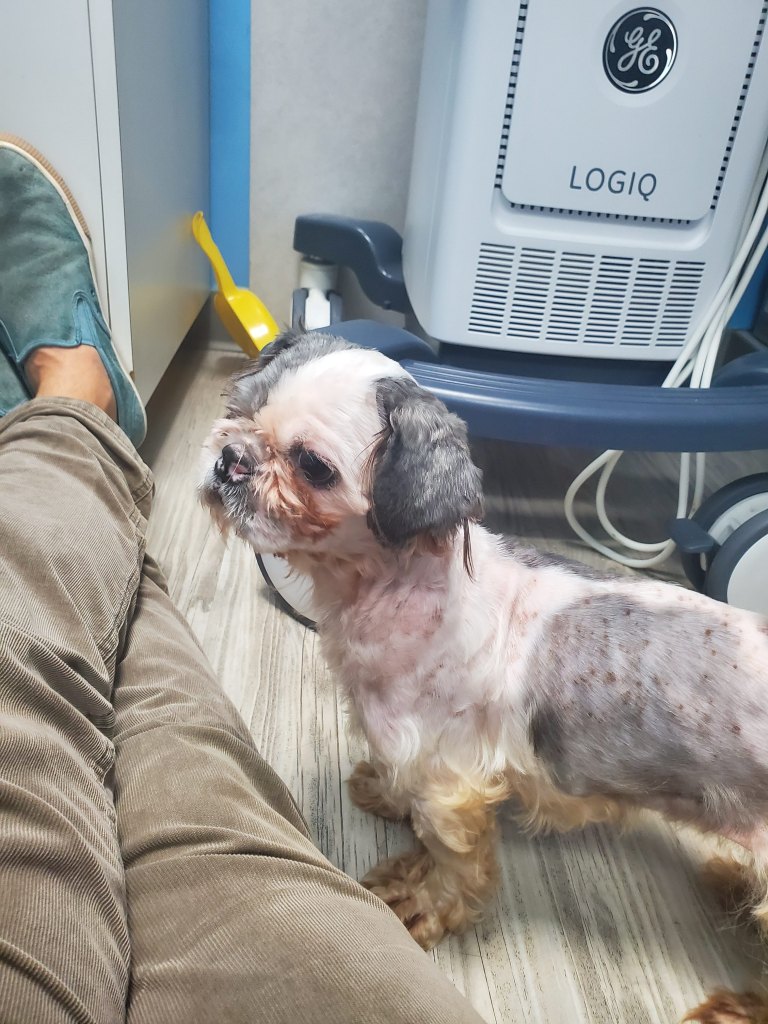
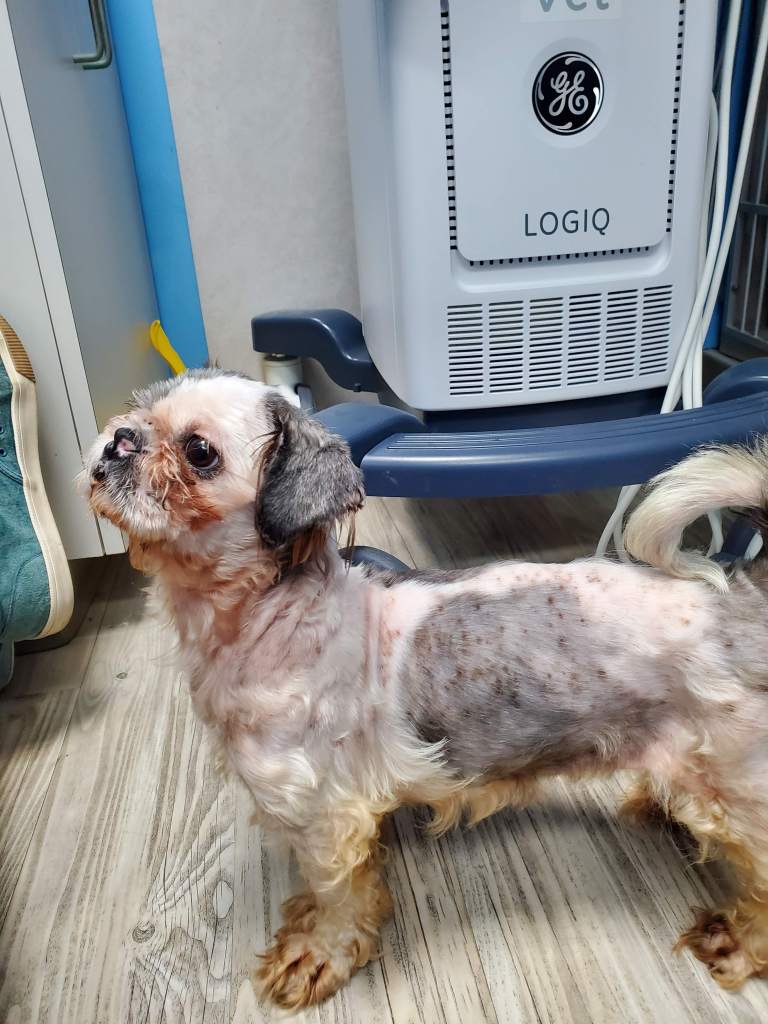
Michelle opted to do a few more miles while I figured out what to do. I called 311 and was assured that someone from the city would come to pick her up (they never did). While waiting, I ventured into the woods and sat on a stump for a while, talking to her, then backed off to the path again. Eventually she approached the stump and gave it a good sniff. I must have left evidence of my harmlessness there because soon she joined me on the path. On closer inspection, she was a total mess. Emaciated and hairless, covered with insect bites, and half the skin of her nose was missing.
While I waited for Michelle to return, a woman pulled her car over beside the path. She said she’d seen the dog there earlier that morning and couldn’t stop thinking about her, so she’d come back. After a chat she drove off and then came back again maybe 15 minutes later with a pile of cheese slices, which she assured me was great food for a starving dog, so I fed them to her and she wolfed them down. At this point it occurred to me that using my belt for a leash was actually a great idea, so I did so. Michelle returned and then ran home to get the truck. We called the first vet in the Google and they agreed to let us bring her straight there. When Michelle arrived with the truck, the dog was pretty excited to get in, and I rode in the back with her to the vet, only a few miles away.
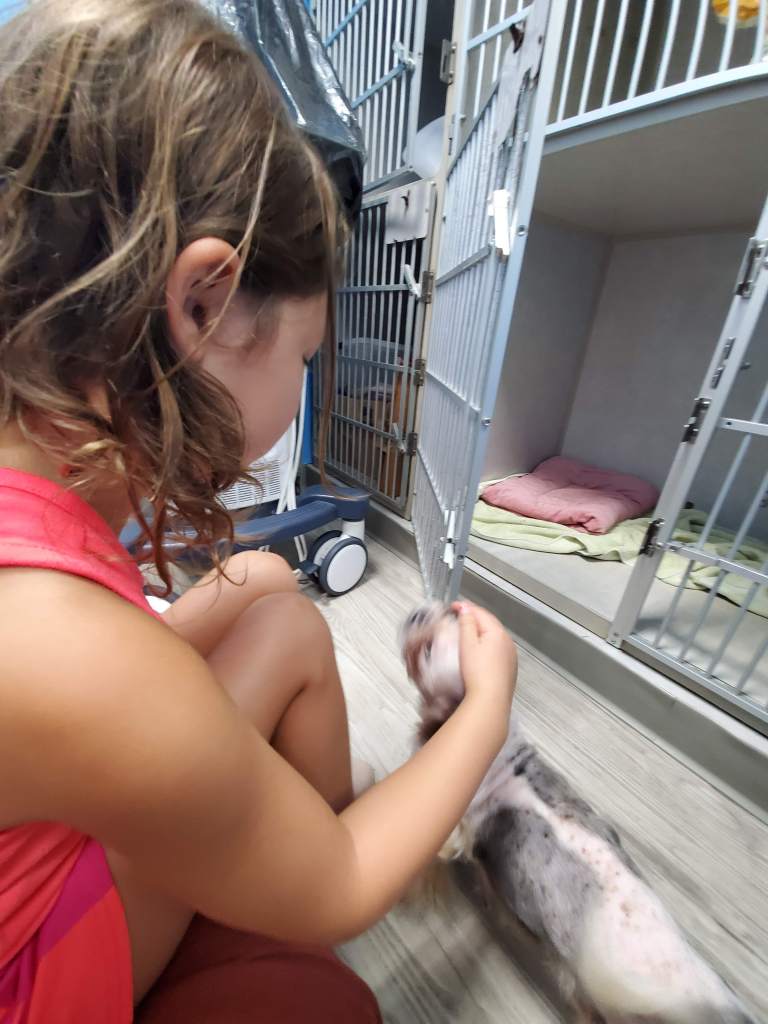
We visit Penny at Manor Vet
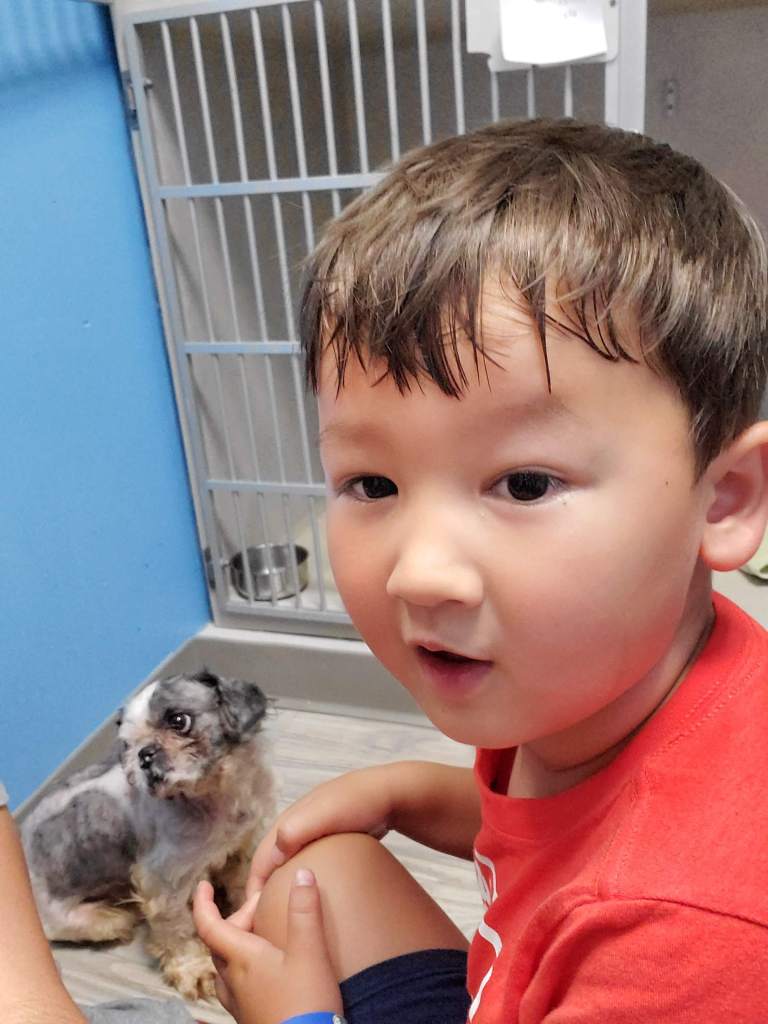
Everyone at the clinic was lovely, particularly the vet. He found that she had a chip identifying her as Bella, and he contacted her owner, a woman with an address in the Bronx. He gave her meds for worms and bugs and kept her for the next week. I visited every day, and the kids came with me a few times as well. The owner never responded, and we heard from a couple people that it’s not unusual for folks from the Bronx to dump unwanted pets in Pelham Bay Park. As it happens I once found the remains of a cat wrapped in an old rug on another trail down there. So I guess it happens. In any event, at the end of the week we picked her up and brought her home. Everyone agreed that we should give her a new name, as we didn’t know what her associations would be with the old one, and the kids dubbed her Penny. The day we picked her up, the vet had had her groomed at the doggie spa next door. Both they and the vet absolutely refused any payment. It was a heartening experience.
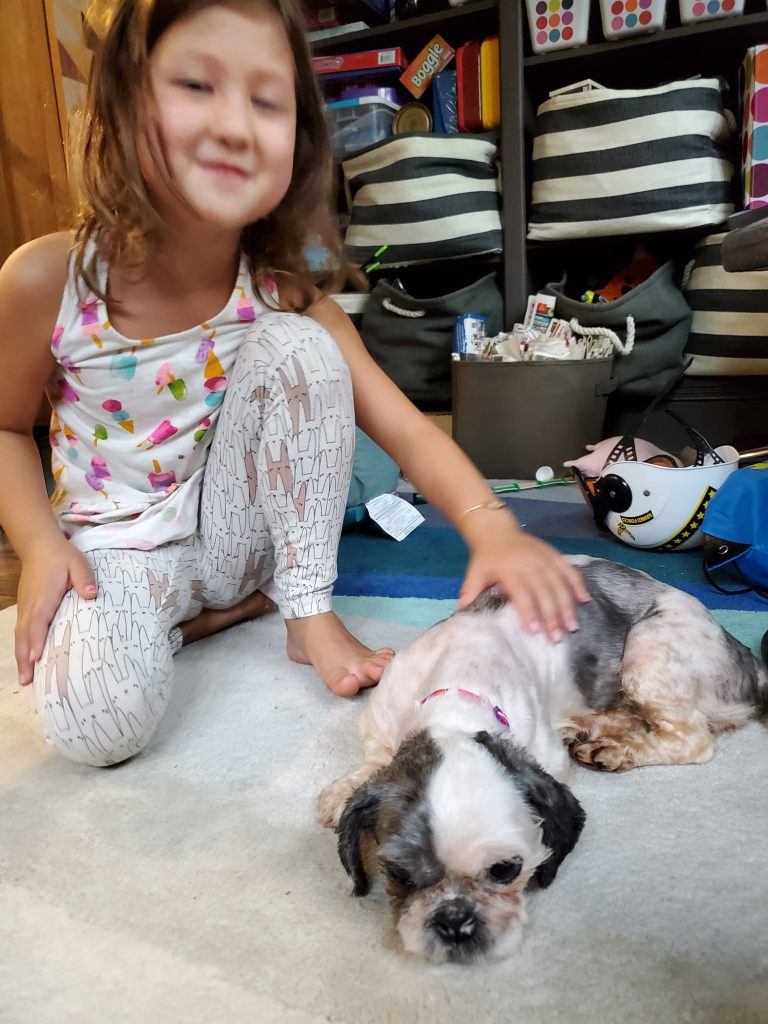
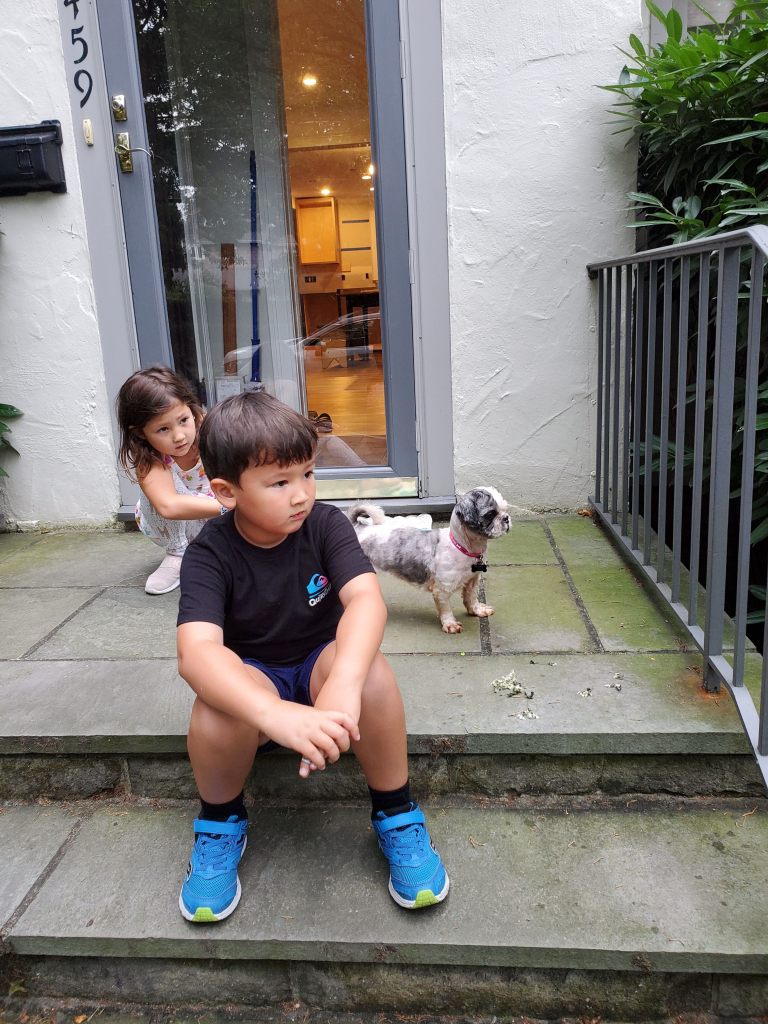
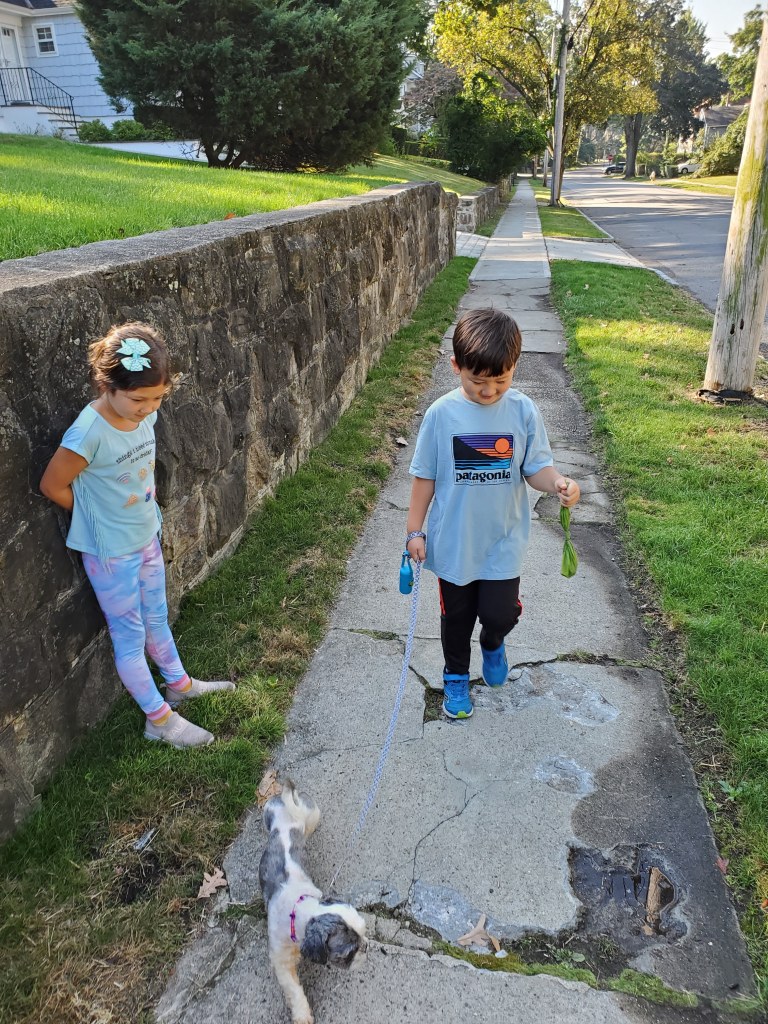
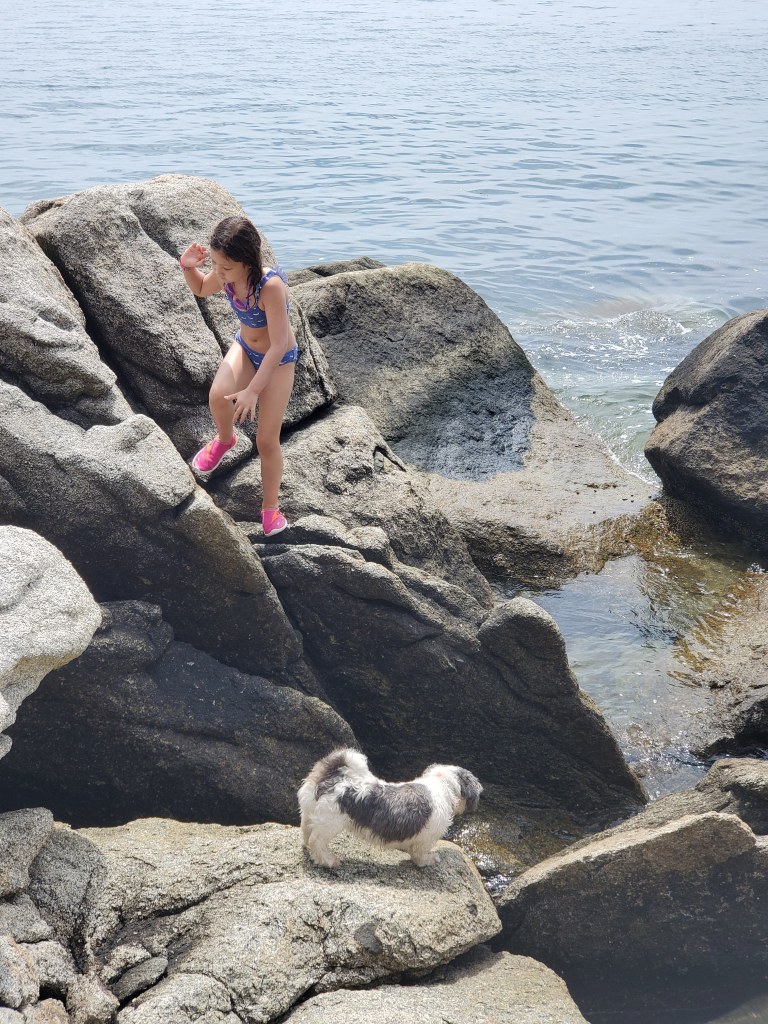
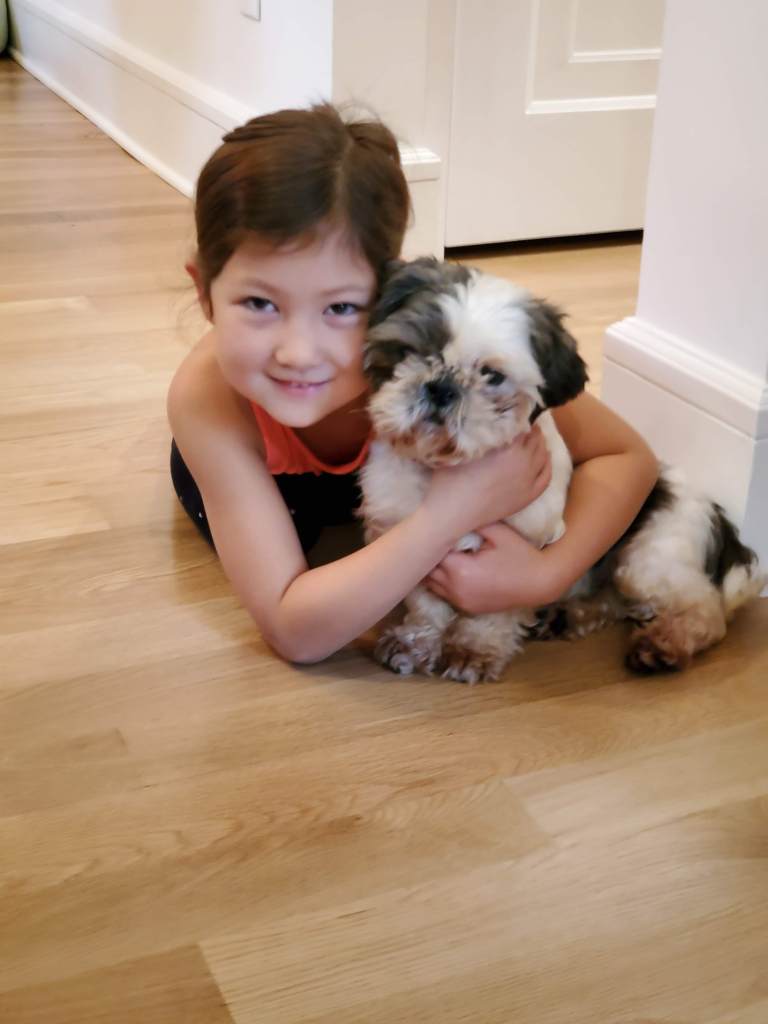
The kids were over the moon about having a dog. Emlen had been asking for one for a while, but Michelle and I had both been quite adamant that it was not in the cards, at least while we were living in the suburbs. And we certainly never imagined that if we did get a dog that it would be a Shih Tzu. But as it turned out, she was a wonderful addition to the family, and we felt really fortunate to have had her come into our lives just before the pandemic. She was a warm and loving creature. Super friendly, sweet and well behaved. She’s of a size that the kids can generally take care of her, including taking her for walks. As she put on some weight, she eased up on her attempts to eat just about everything one might find on a sidewalk (including some rather foul unmentionables), and her hair grew out impressively. She had a hard time with New York winter, so Michelle bought her a couple sweaters. Though I remain of the opinion that dog clothing is ridiculous, Penny clearly loved wearing them.
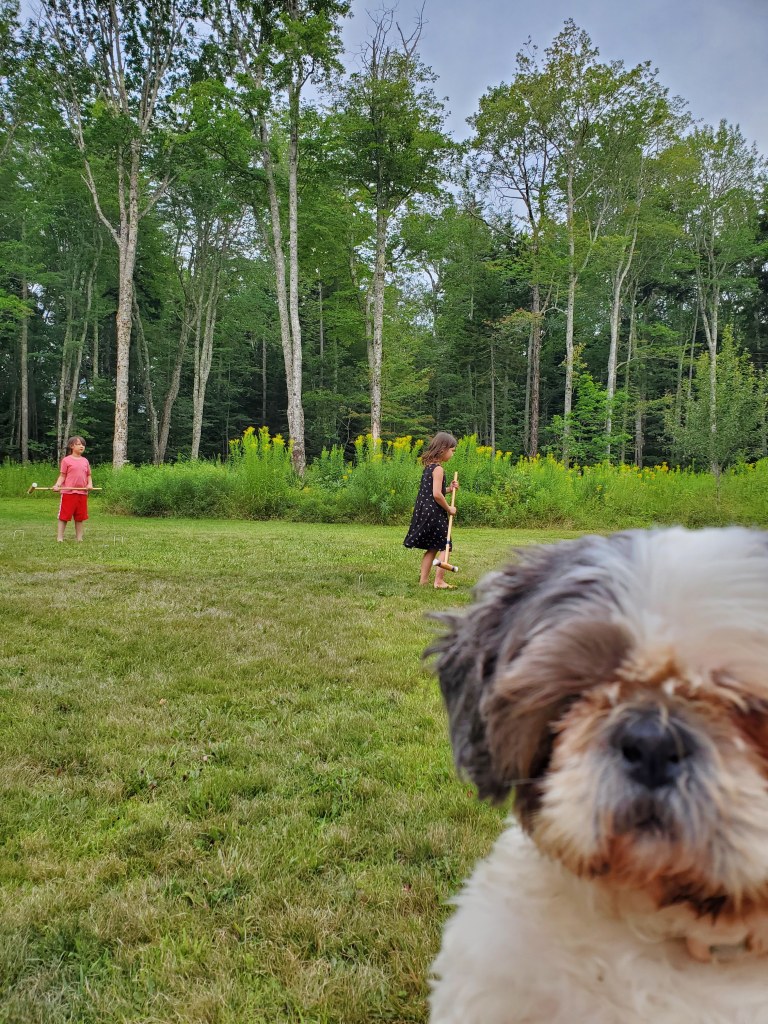
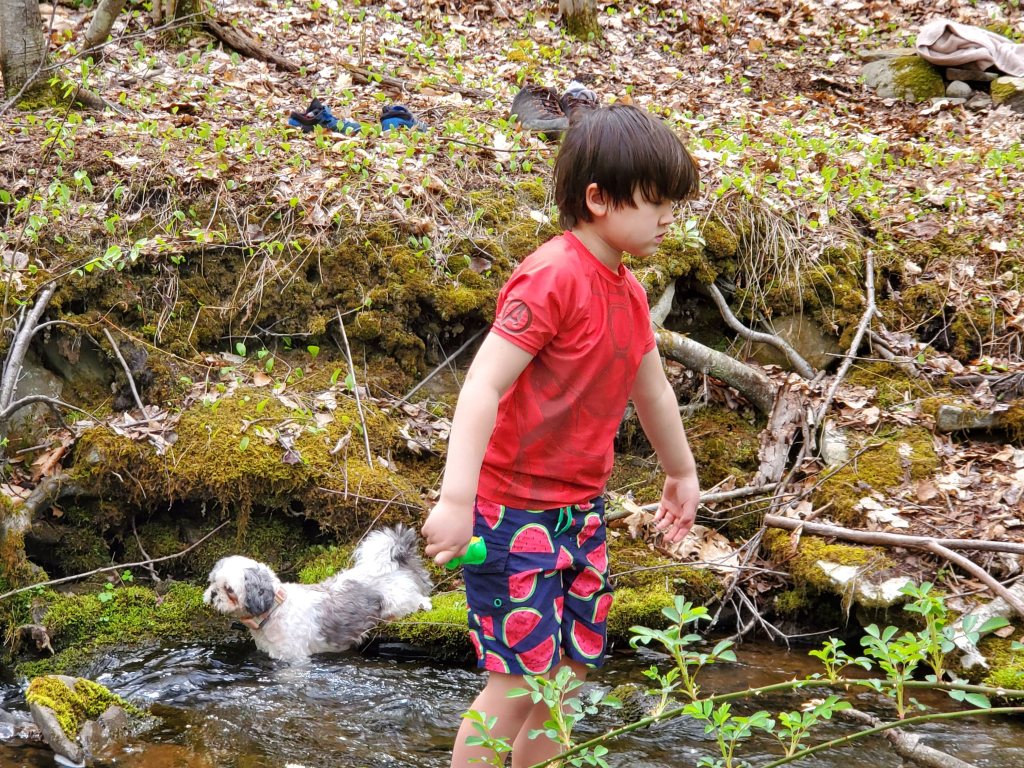
Though she was never nuts about walking around the neighborhood in Pelham, she thrived during our time in Maine and Vermont, and would do six or seven mile hikes with us no problem (there were times that I had to carry her, but that was more about terrain than lack of athleticism).
As we worked through the process of moving to New Zealand, it became clear that getting Penny here was going to be one of the most difficult parts. Not to mention expensive. When I first learned of the price tag, I raised the possibility that we might find Penny a new home. The kids both cried for a half-hour. The next time I brought it up, Maika asked if I’d get rid of her next, and pointed out that we’d paid far more money for our house. Michelle was firmly in the kids’ camp.
I started Penny’s travel prep too late, not realizing that the necessary government approvals would require many months, so the best-case scenario was that she would be able to join us in March, a month after our scheduled flight. Then in January, Air New Zealand stopped transporting pets altogether, which left us in even more of a bind. As a short-nosed dog, she would not be able to fly domestically in the hold – she had to ride in the cabin, which meant she had to be accompanied on the first leg of the trip (there are currently no direct flights from NYC to NZ). Ultimately, we decided to take her with us on our flight to California, where Michelle’s dad and stepmom met us at the airport. They took care of Penny for a couple months and coordinated the last few vet appointments with the pet transport company.
In March, Air New Zealand lifted its embargo and the pet transport company was finally able to make for Penny’s travel to New Zealand. She made the 13-hour flight to Auckland, then had ten days of quarantine in a kennel near the airport. We drove back to Auckland and picked her up on April 20.
The first few days back with us must have been pretty disorienting for her, and God knows what she made of all the travel and transitions. We stayed a few days at an AirBnB in the city, then drove to Opotiki, a lovely little beach town on the Bay of Plenty, where we spent a few days swimming, surfing and taking long walks on the beach. I imagine all of this was rather disorienting for her.
It was good to finally get her back to Gisborne and her new home. The kids are thrilled to have her back with us, and she seems to enjoy the new environment. The first time we took her to the beach here she gorged on seaweed, which worried us a bit but seems to have done her no harm. We figure after her time in the woods we can probably trust her foraging instincts.
Her instincts with respect to roads remain somewhat less impressive. Gisborne dogs are a bit more free range than their American counterparts, and seem for the most part quite skilled at not getting run over. You don’t see a lot of leashes here, except on trails where they’re required. Penny’s probably not destined for that degree of freedom.
A couple months after her arrival, she seems to have settled in really happily. The transition to treats made of kangaroo and kiwi fruits went smoothly. The cold’s not so much an issue here, but she rather hates walks in the rain and wind. The morning of the winter solstice, I walked her at about 6 a.m. in the dark and wind, between downpours. Penny handled it despite being blown off her feet a couple times. She has yet to experience an earthquake, but honestly, given what she’s been through, there’s probably not much that’s going to shake her at this point.
We arrived in Gisborne on February 22, so it’s been a bit over a month. A pretty glorious month, and I continue to be a bit overwhelmed.
In 2010-11, I spent a year at U.S. Embassy Baghdad. At that time there was a U.S. military base directly across the road from the embassy compound, and in the middle of that base was the tomb of the founder of the Ba’ath Party. By the time I arrived, the tomb was well established as a sort of shopping mall, with maybe two dozen vendors set up in its rooms and hallways. I eventually bought a couple very nice rugs there, but we mostly went over for the bootleg DVDs. On my first visit I picked up a boxed set of the Wire, which aside from being somewhat out of sequence (it began with season 2, and eventually peppered in bits of season 1), was a more or less perfect copy. I loved the show but considered setting it aside, as I’d get so immersed in the story that when an episode ended I’d come back to reality with this lurching sense of displacement: ripped from the relatively familiar world of David Simon’s Baltimore and just flattened by the realization that I was half-way across the world in the middle of a war zone. I get that same sensation here sometimes; when I wake up, or after getting sucked down a Youtube rabbit hole ending with a 25-minute video of a Basque youth orchestra playing Ravel’s Bolero (for example). It’s not really a “good” or “bad” feeling. It seems more fundamental than that, like my lizard brain is simply overloaded by the immensity of our abrupt change of circumstances.
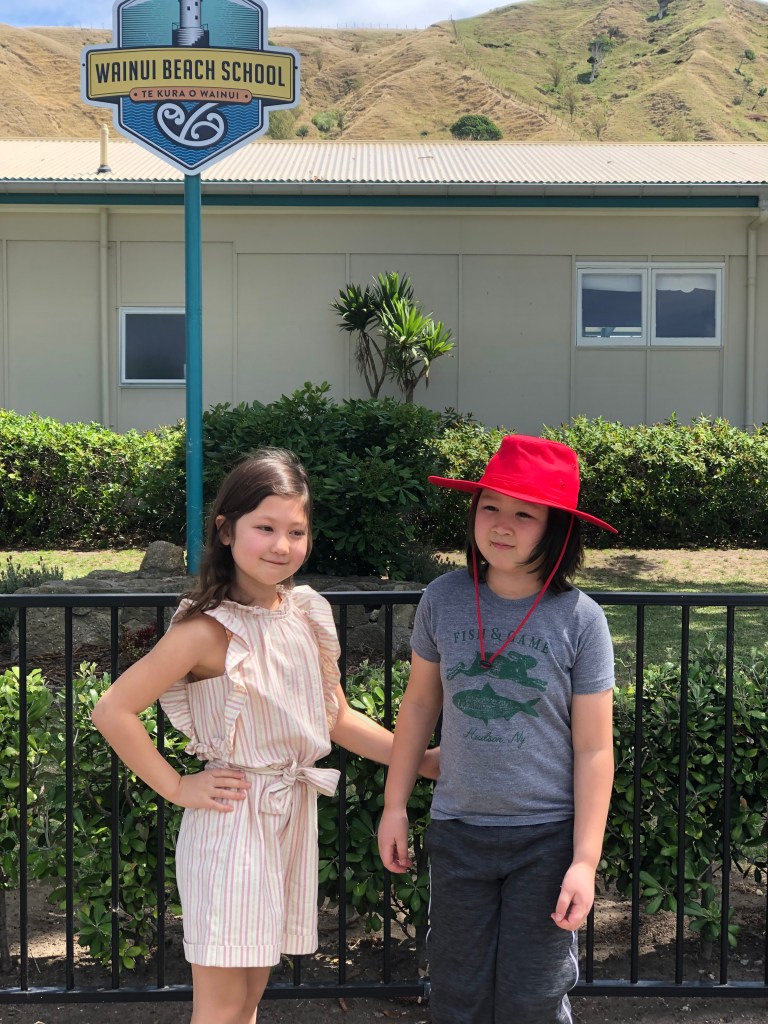
In any event, when the feeling passes, it’s quite clear that this has been a very good change. The kids are settling well into the Wainui Beach School, which is a pretty idyllic school. They’ve both made friends pretty quickly, which process has been eased by the very welcoming culture of the school and the fact that many of their classmates have had the recent experience of being the new kid and have therefore made an extra effort to help our kids feel at home. The school also held a powhiri, a Maori welcoming ceremony, for the families of new students a couple weeks ago. This involved the new students and families sitting in the assembly hall facing the school community, including the entire student body, which performed a song of welcome in Te Reo Maori. I spent the whole time trying not to embarrass the kids by breaking down weeping because it was absolutely amazing. Our first week here I had a similar experience at the powhiri the hospital held for new employees and their families.
The school has a real emphasis on resilience and learning from our failures, which I love, and gives the kids a lot of freedom and responsibility, as well as a great deal of time to play. The kids all did a duathlon a couple weeks ago, which meant a one kilometer run interrupted by a few laps in the pool. Our kids were a bit intimidated, especially as they’ve spent most of the last year cooped up in the house, but they both finished. We are massively proud of them and impressed by how supportive their classmates were. It was pretty awesome.
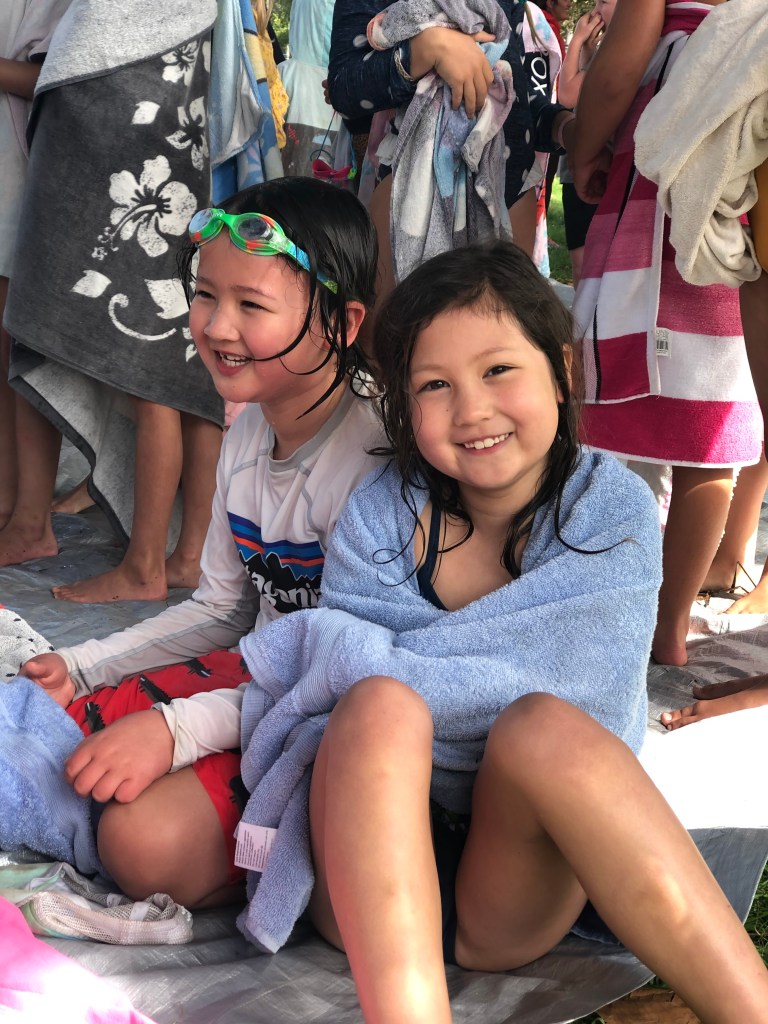
Smiles after the duathlon
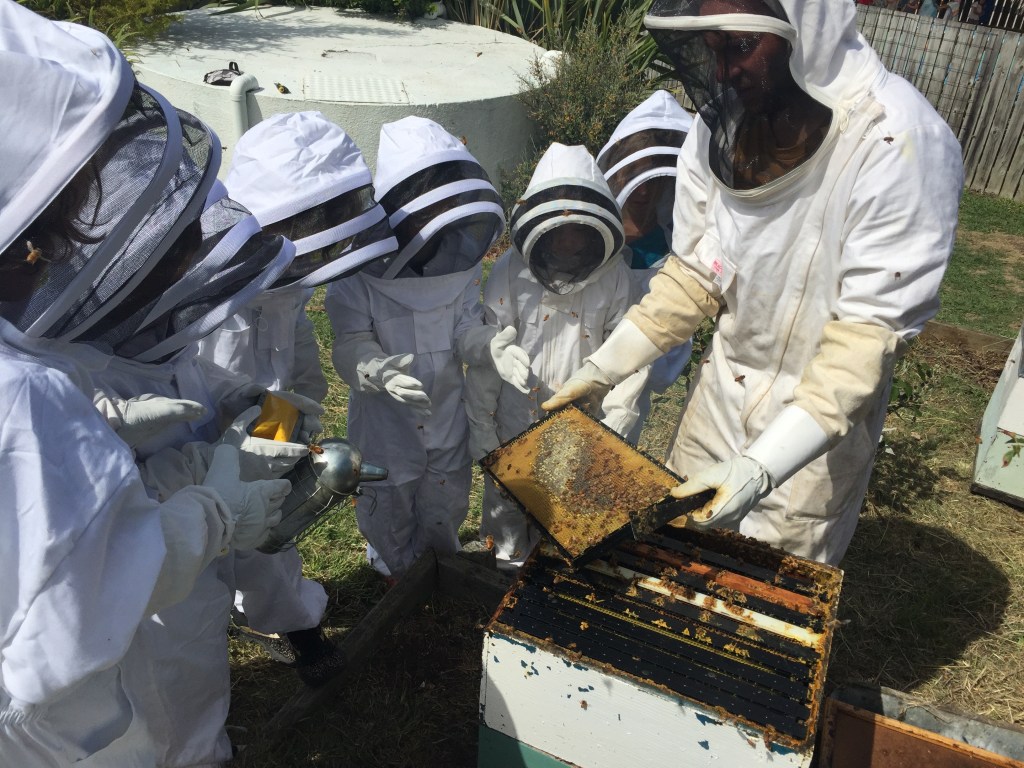
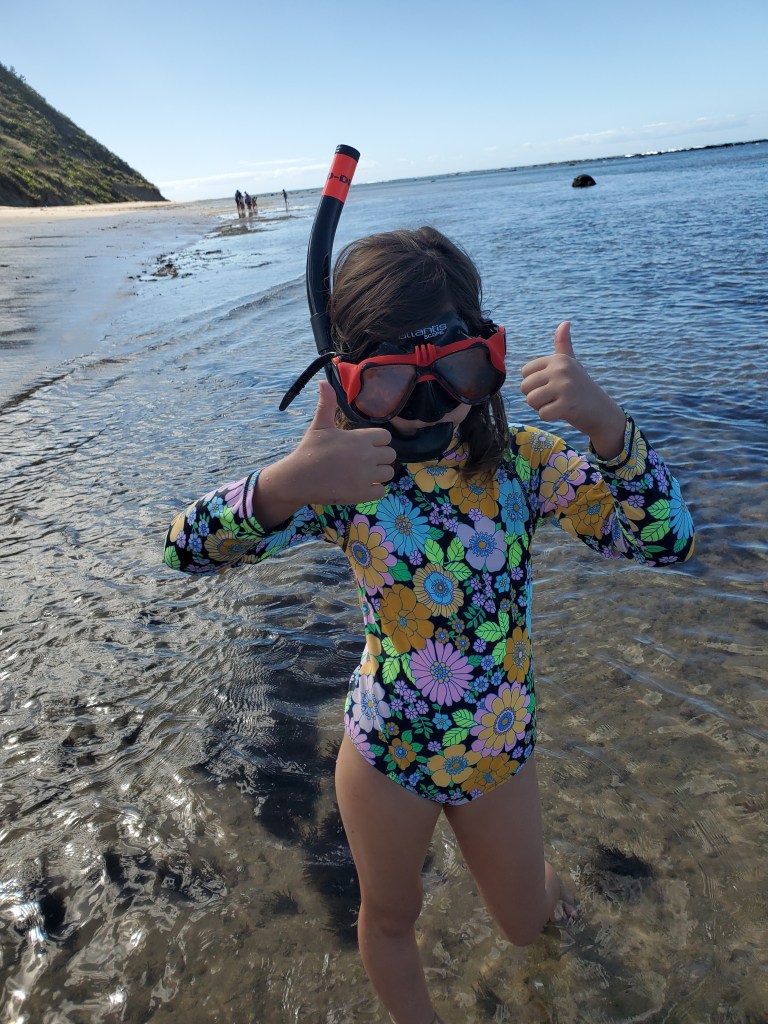
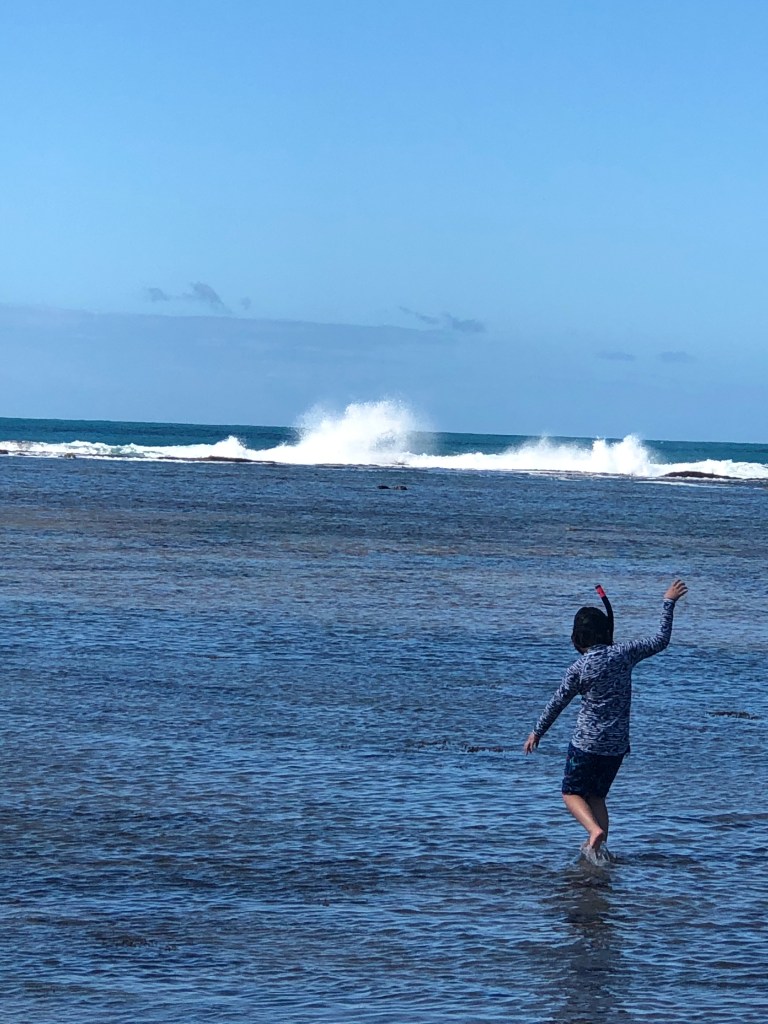
Maika did some beekeeping at school a few weeks ago, and this week I accompanied her class on a field trip to the local marine sanctuary. We broke into small groups and snorkeled the reef for a couple hours, which was brilliant. Aside from the snorkeling experience itself, it was a great way to get to know her class a bit and connect with some of the other parents. I’ll be going back with Emlen’s class in a couple weeks.
School beekeeping!
Snorkel pics aren’t actually from the day of the school trip, but they are at the same marine reserve, which is a truly special place.
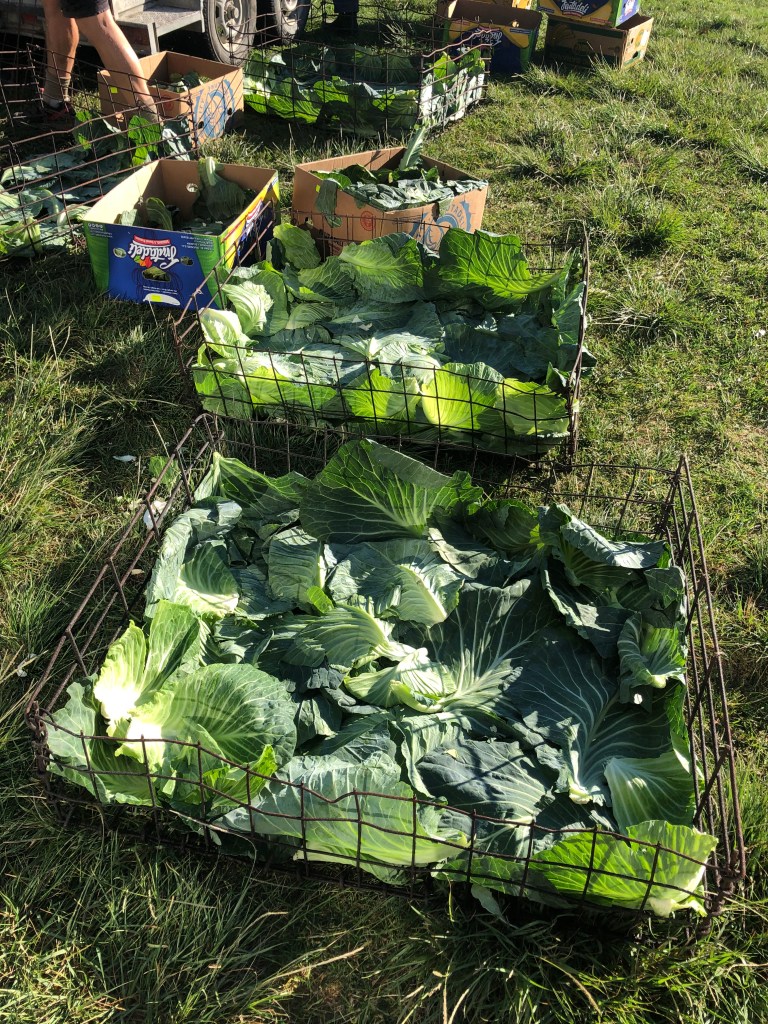
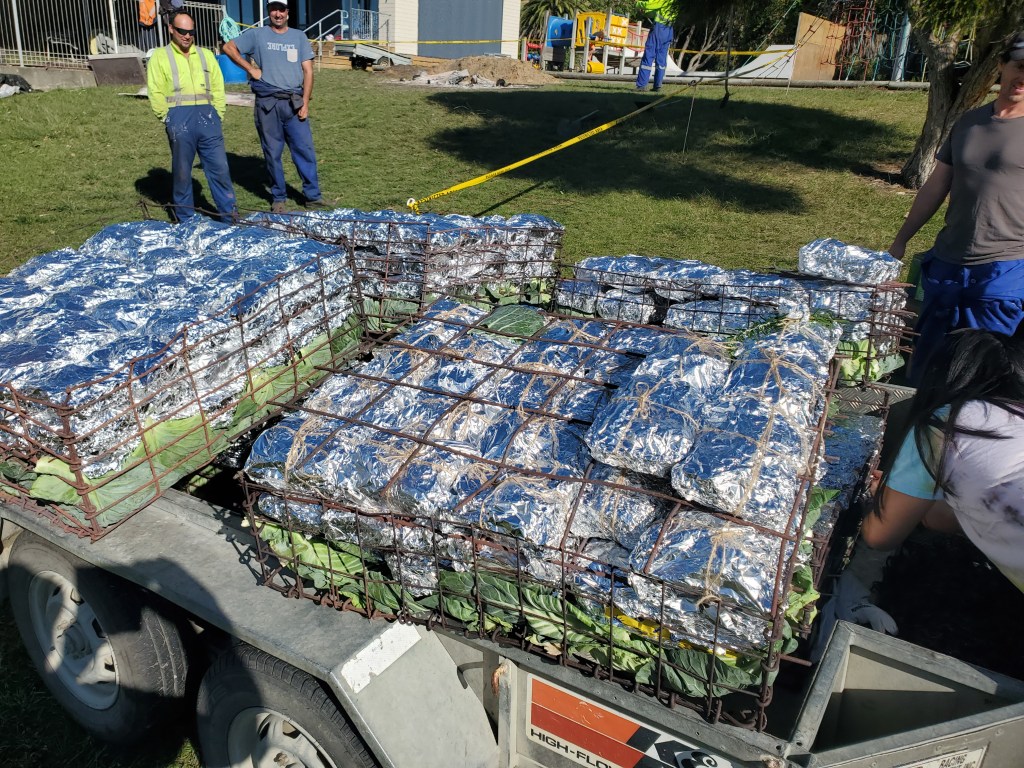
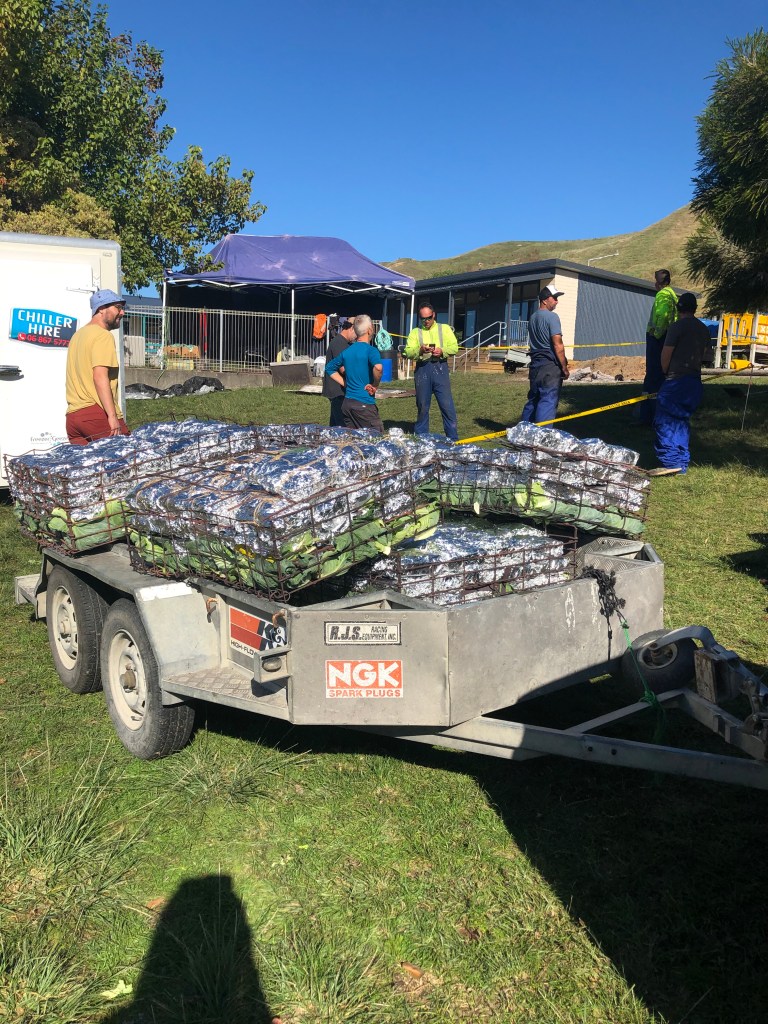
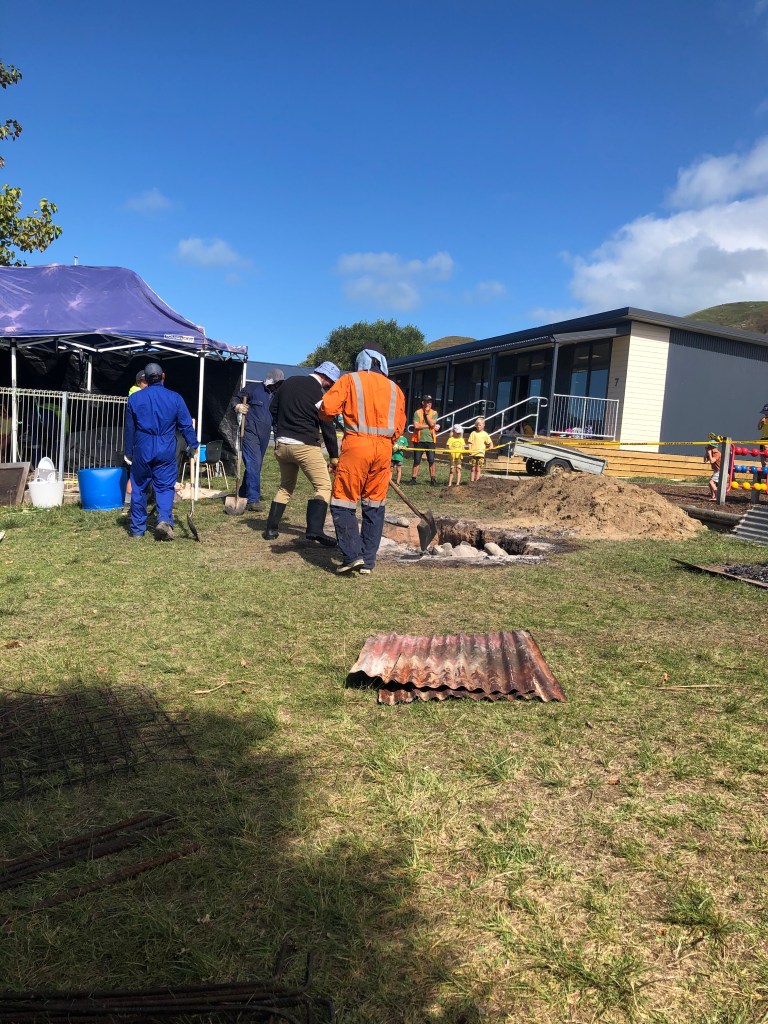
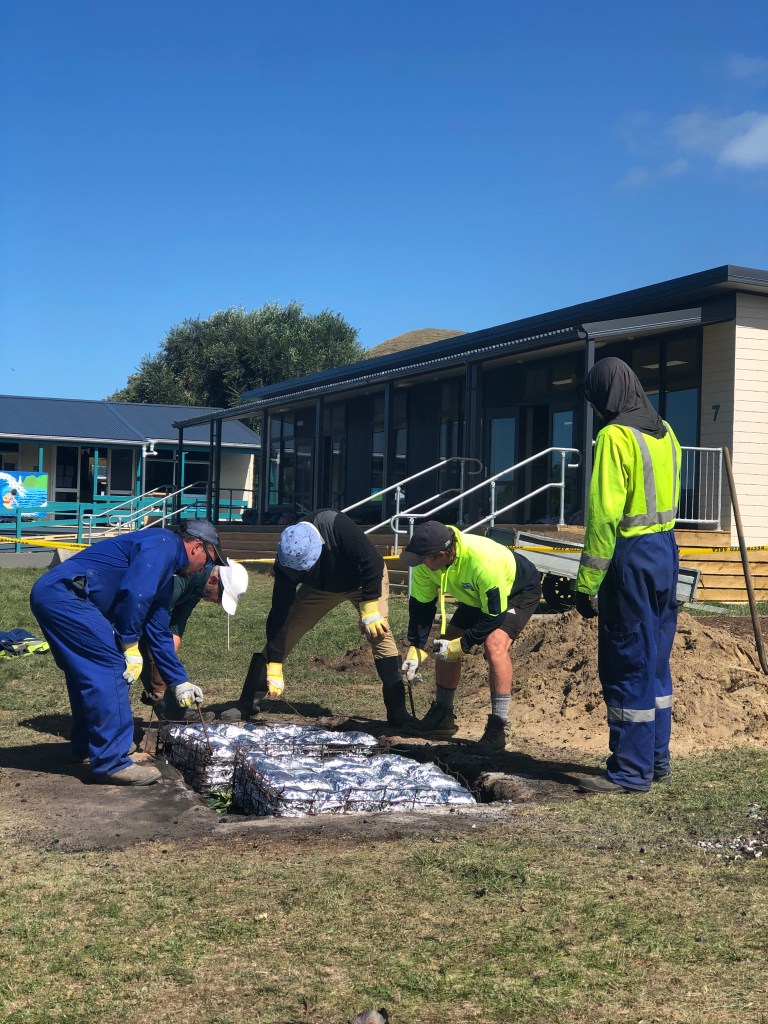
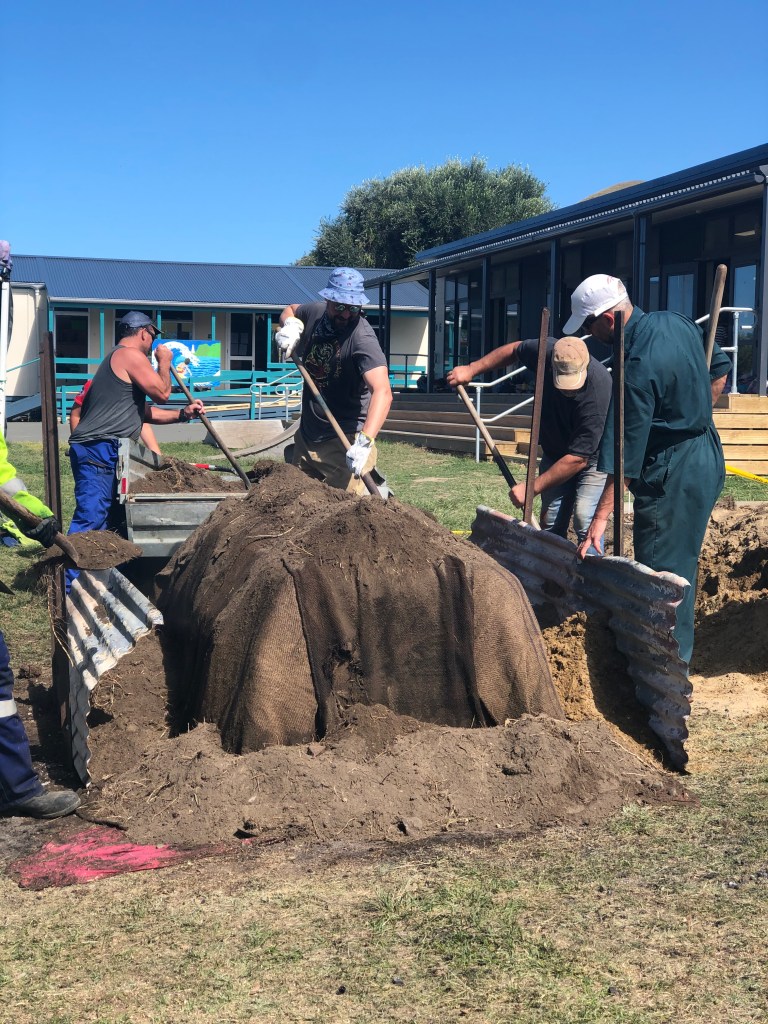
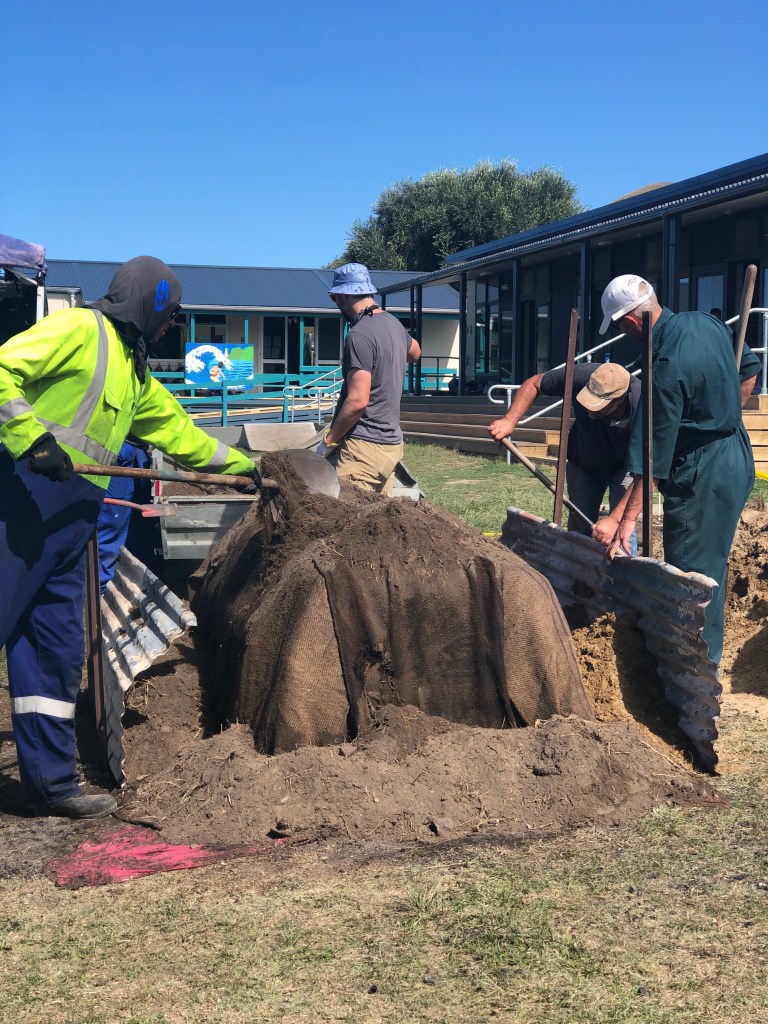
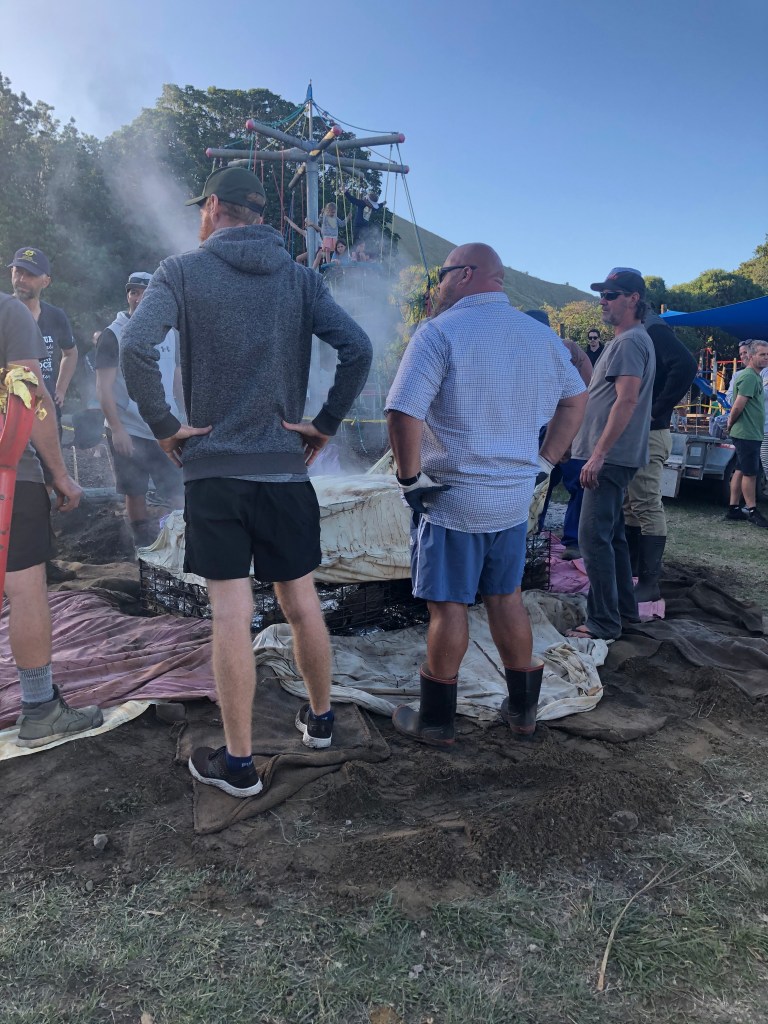
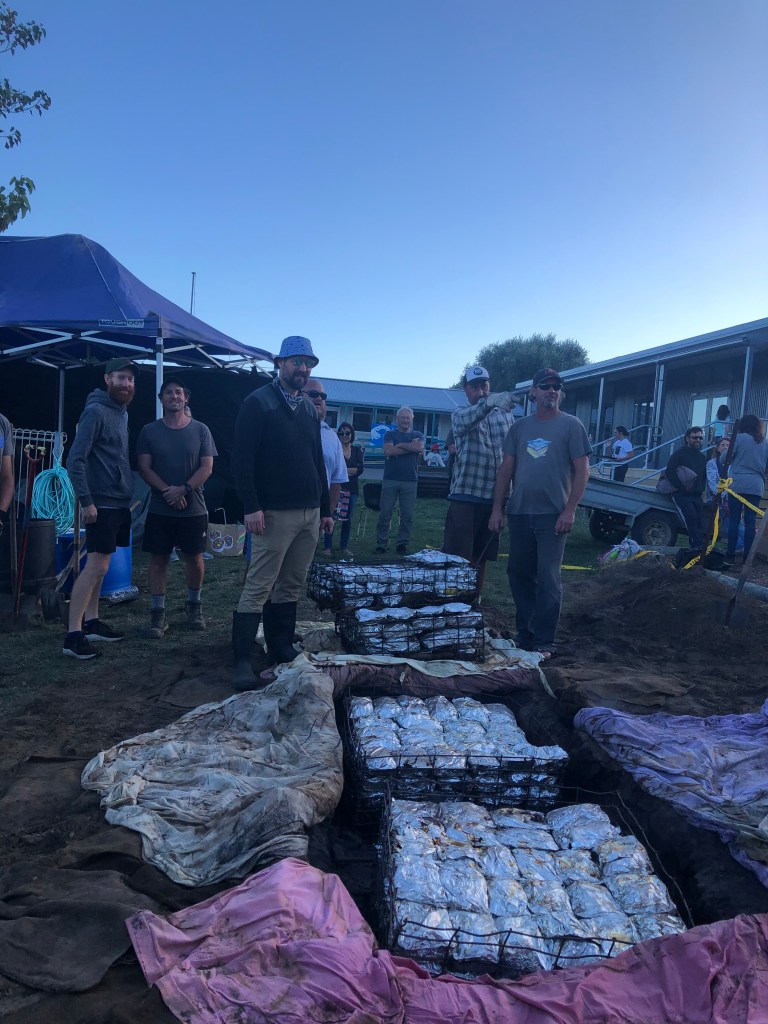
Michelle and I also volunteered to help out with the school’s annual hangi last week, which was a fantastic experience. A hangi is a traditional Maori feast steamed over hot stones in a pit dug into the ground. On Thursday I helped pack the individual meals and on Friday we showed up after the pit had been dug and the fire lit, but helped out the rest of the day. The whole experience was great, and I felt quite fortunate to have the opportunity to participate and get to know the people who have been doing it for years.
A few hangi prep pics (Michelle was the unofficial photographer).
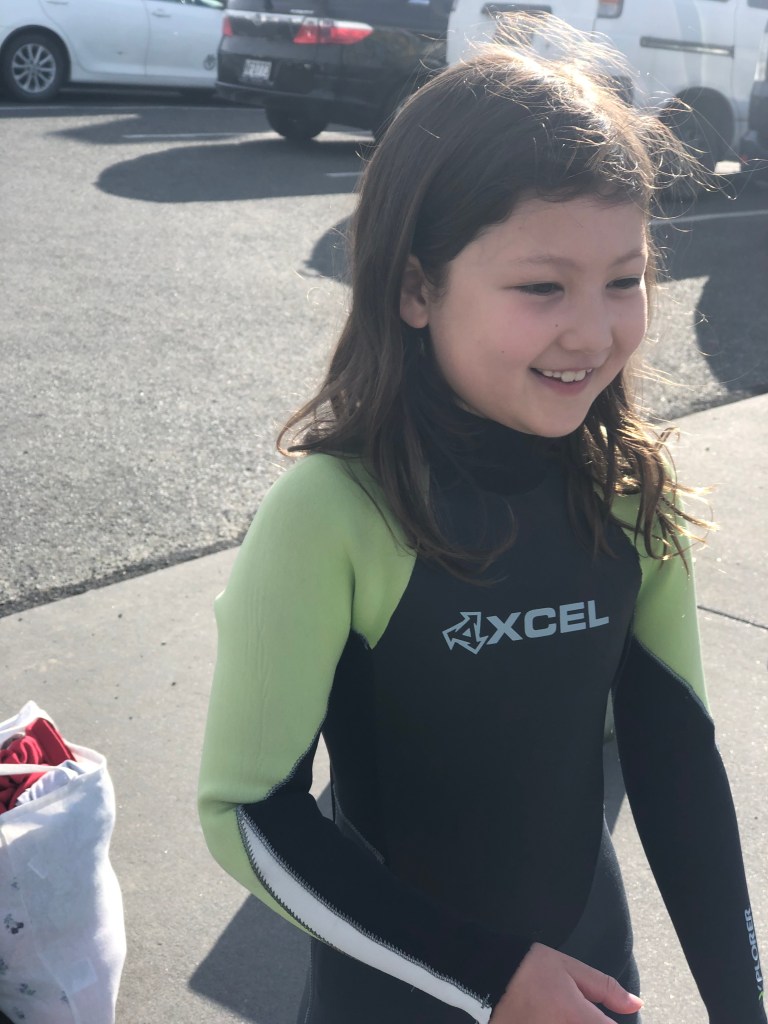
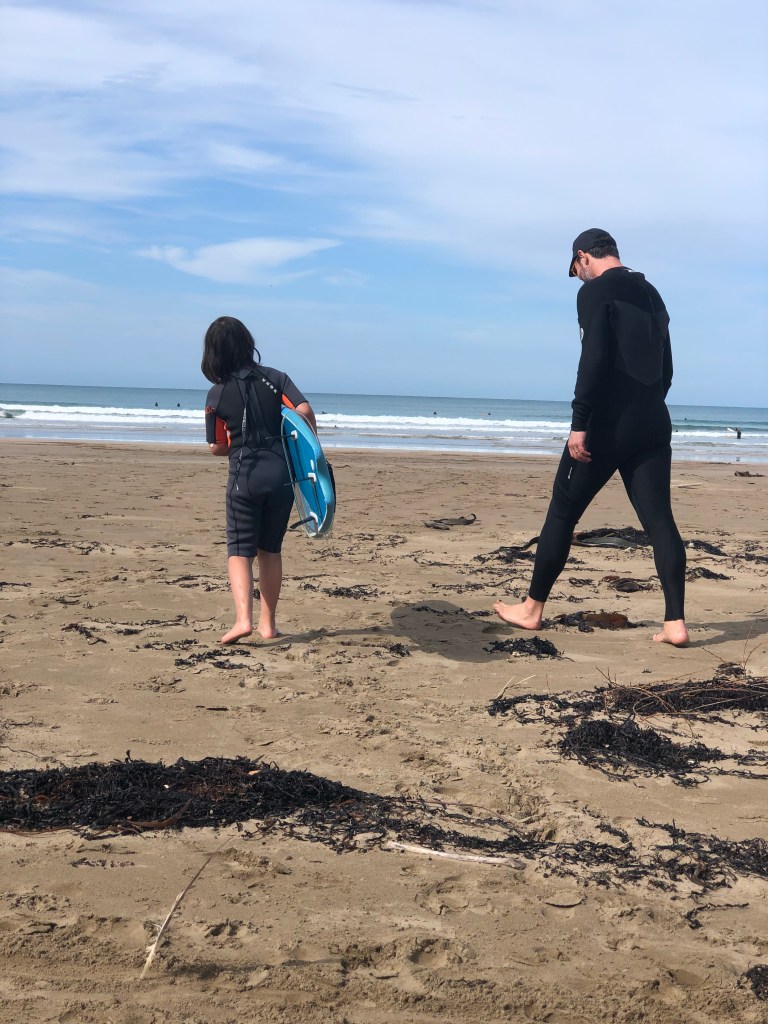
I think it’s easy for Americans coming to New Zealand to assume that there’s not much in the way of cultural differences, mostly due to the fact that we generally speak the same language. As our family is really just beginning to learn, there are actually some pretty big ones. Probably my favorite change, coming from New York, anyway, is that here there’s almost always time for a chat. Particularly in Gisborne, life is slower paced. And not so much work-focused. Part of that is just the culture of New Zealand, and part is the fact that Gisborne is at a bit of a remove from the rest of the country. I think some is also the surf culture — Gisborne has world-class surfing, and there are a lot of people who have moved here for just that reason. We’ve been pretty psyched to get into it, and Michelle and Maika had their first surf lesson last weekend, which they both loved. I picked up a board for the kids a surf swap the same day and then took Emlen up the coast where we hung out with another family from school and Emlen had a go at it himself. Since then we’ve borrowed another entry-level board from some very generous neighbors and are keen to get back in the water this weekend.
There’s also little tolerance here for the kind of “me first” behavior that frankly drove me pretty crazy in New York. Humor tends to be the self-deprecating variety, or the other-deprecating variety if someone is getting a little big-headed. One phenomenon I think somewhat related to this, and which I adore, is that you really never hear anyone honking their car horn here. Car culture is much more like it was where I grew up in Vermont and New Hampshire. You wave to the neighbors as you pass by, and pedestrians wave thanks when you stop for them to cross the street. It’s definitely a small town feel, and we’ve been repeatedly warned that this also means people will be up in your business and that there’s heaps of gossiping. As boring people, we’re cool with that. We’ve also noticed that people tend to be very polite and stick around to chat even after the point when they’ve really got to go. As a bit of a blatherskite, I’m going to have to watch out for that.
I’ve spent a fair amount of time over the last few weeks car shopping, and one dealer joked that he often provides a particular (and generous) service to “immigrants like you.” He found it kind of funny to call me an immigrant, but of course I am one. And though we’re obviously rather privileged immigrants, being in this role has been an interesting experience that I hope might give us a little insight into what life is like for the great number of people who move to a new country.
We’re still here on our initial six-month visa and we’re having a bit of an uncomfortable back-and-forth with Immigration New Zealand about our application for long-term work visas. This is causing us a fair amount of anxiety, as we’d really like to have a more secure legal foothold here in the country. In addition, even in the best case scenario, we won’t be able to buy property for at least two years (also a visa issue), which means that we are at the mercy of the rental market. And there simply aren’t that many rental properties. We got lucky with our current situation, which is a lovely house in a lovely neighborhood, but the rent is definitely on the high side. In addition, until we get our next visa I’m not allowed to work (this is, of course, a mixed blessing, as I am very much enjoying volunteering at the school, going for lots of runs and bike rides, and look forward to getting into the water more often).
As non-citizens, banking and car registration and drivers’ licenses and all sorts of other banal details of modern life are a bit more complicated, which also adds stress. And of course, being new to the country, we’re still figuring out what works differently here and what’s the same, which means that many interactions are rather awkward as we try not to make any assumptions or step on any toes. In view of just how challenging this has been for us despite our various advantages, I have newfound respect for those who have made much more difficult and risky journeys in hopes of giving their kids a better future, including my in-laws and distant relatives who immigrated to the U.S. many years ago. Not to mention those living it now, often fleeing oppression and dealing with far more serious challenges like economic insecurity, family separation, and racial discrimination and violence in their new homes.
In any event, we’re immensely grateful to have had this opportunity. There have been challenges like the visas and the earthquake and figuring out how to buy a car, but again, it’s a small price to pay for life without COVID, and for the privilege of living in this lovely community in this beautiful corner of the world.
I hadn’t really thought to write about our second week in Gisborne, but to wait maybe a month and post another entry after settling in and gaining a better sense of things. As it happens, it’s been a rather eventful week and worth recording, I think.
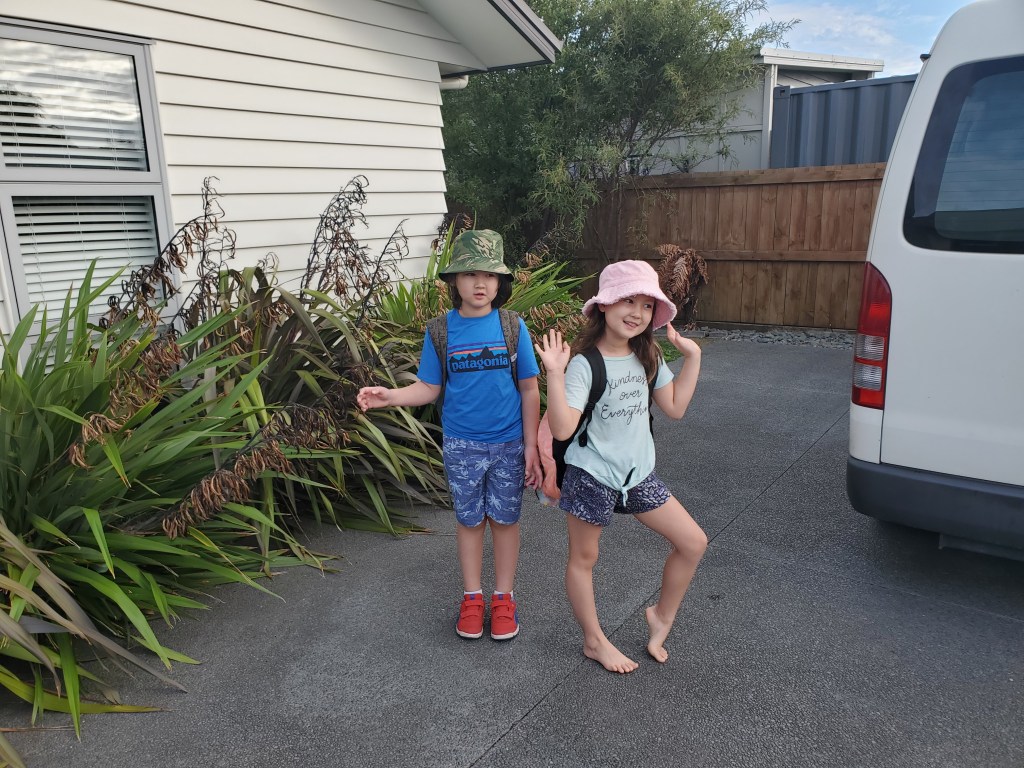
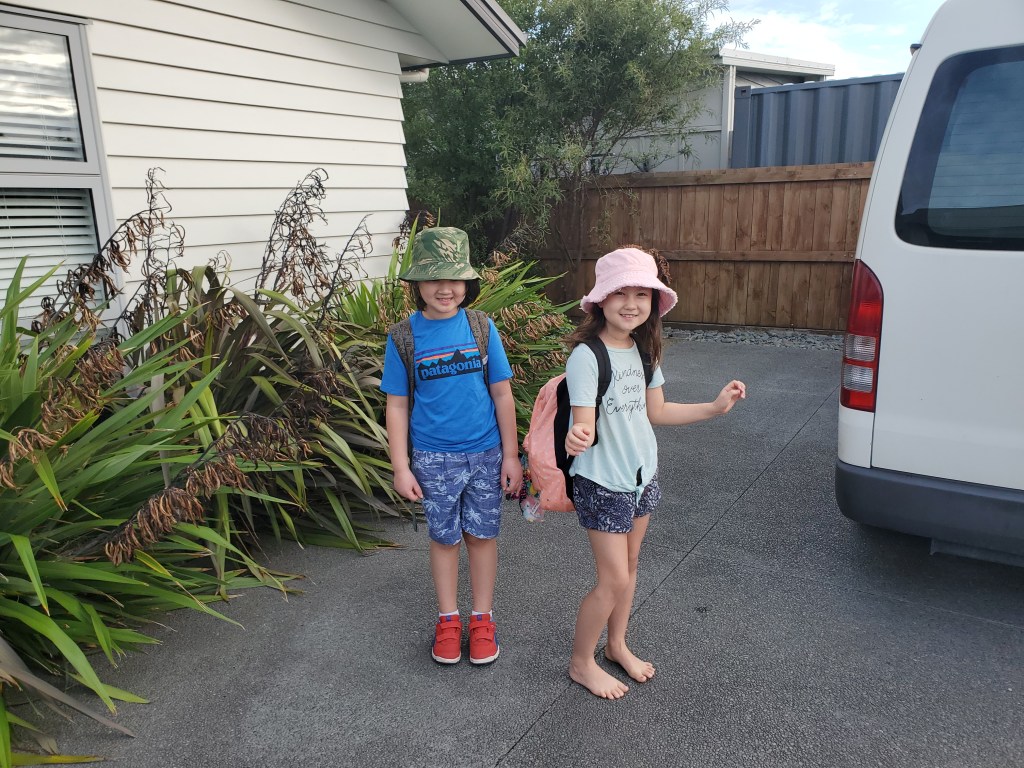
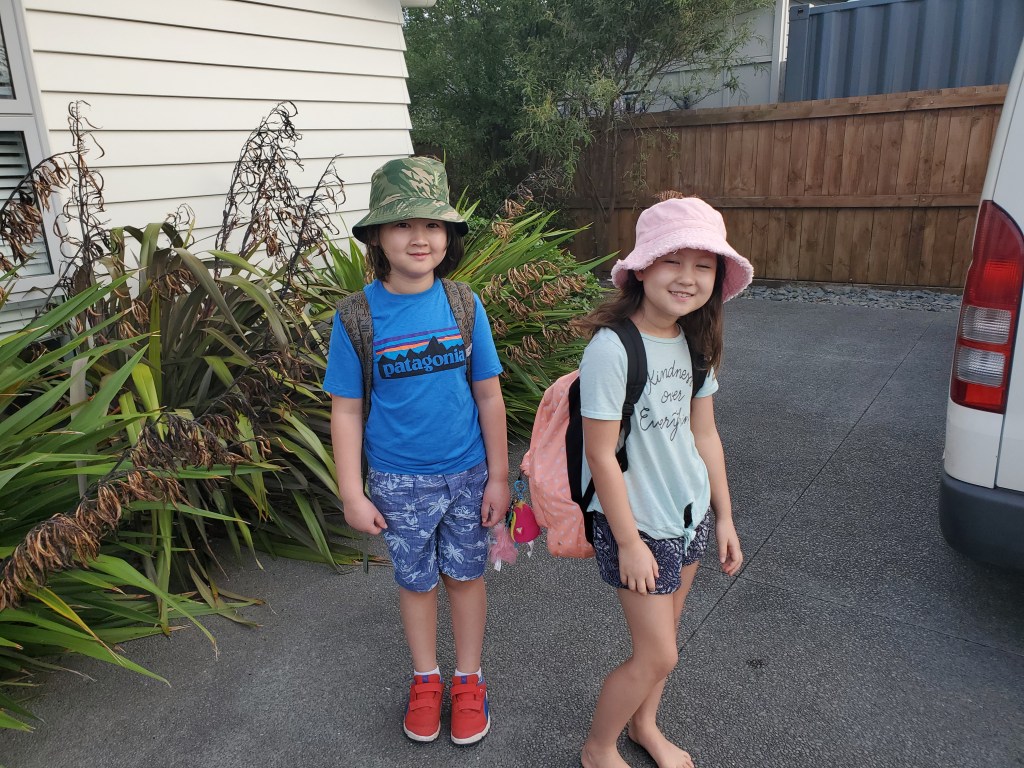
First day of school fashion shoot in the driveway.
The kids were off to school on Monday and very excited about it. They waited by the door for a good fifteen minutes before we left home, and upon arrival ran off to their classrooms before I was able to take first day pictures as Michelle had requested. After a year at home together, it was kind of hard to see them go.
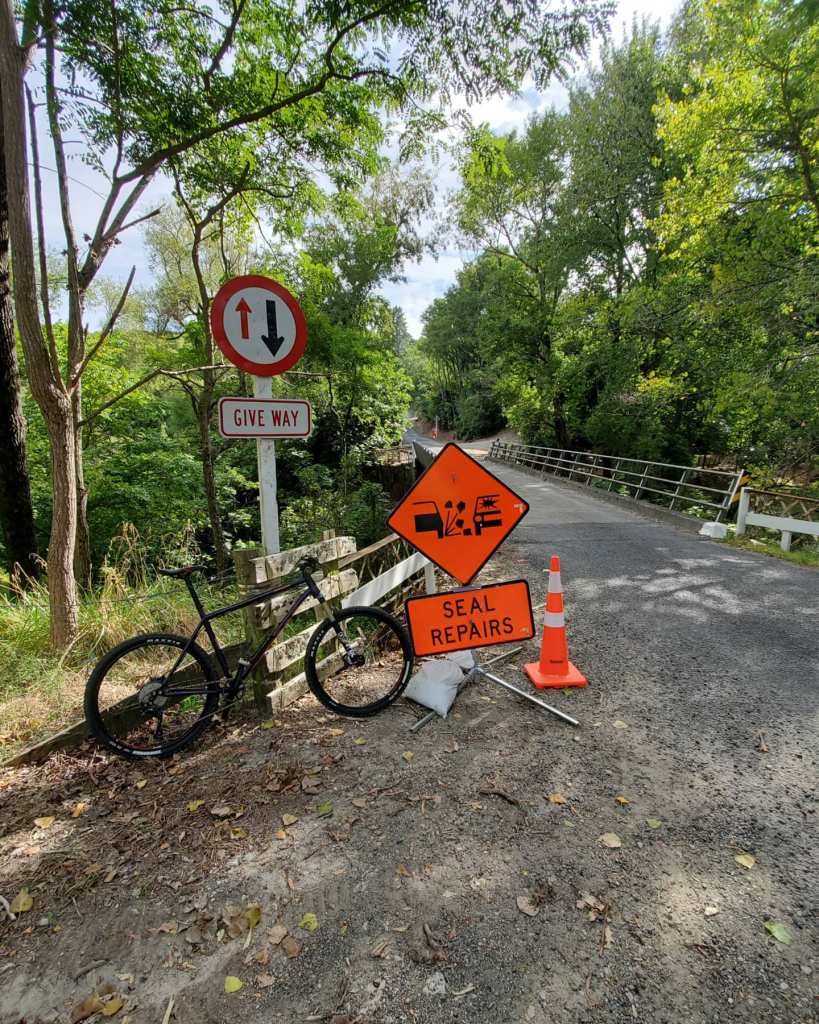
After a couple days of running errands, on Wednesday I finally got on my mountain bike and headed out for what I believed to be a three-hour ride (cue Gilligan’s Island theme song). I’d forgotten to set aside a couple things before the movers packed up our home, so in the first couple days here I had to buy new bike shoes and a backpack with a water reservoir. Threw a couple probiotic manuka honey energy bars (yum) into the pack, filled up the reservoir, and I was off just before 9 AM.
It was about three kilometers toward the city center and then another eight up a narrow paved road that follows the Waimata River out of town. Along the way I passed the Waimata Cheese facility, a large enough operation that it lends the air in the neighborhood a wonderful milky ferment (if you’re into that kind of thing). I also saw a couple kingfishers, which I was absolutely thrilled about, as they’re lovely, cartoonish-looking little birds.
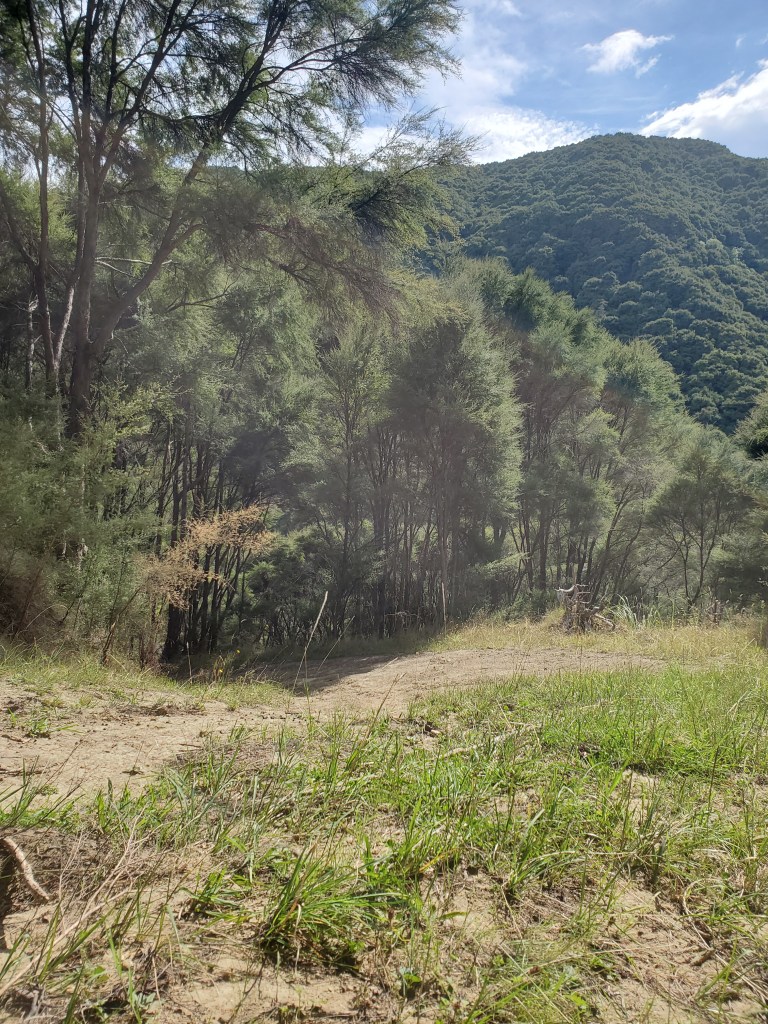
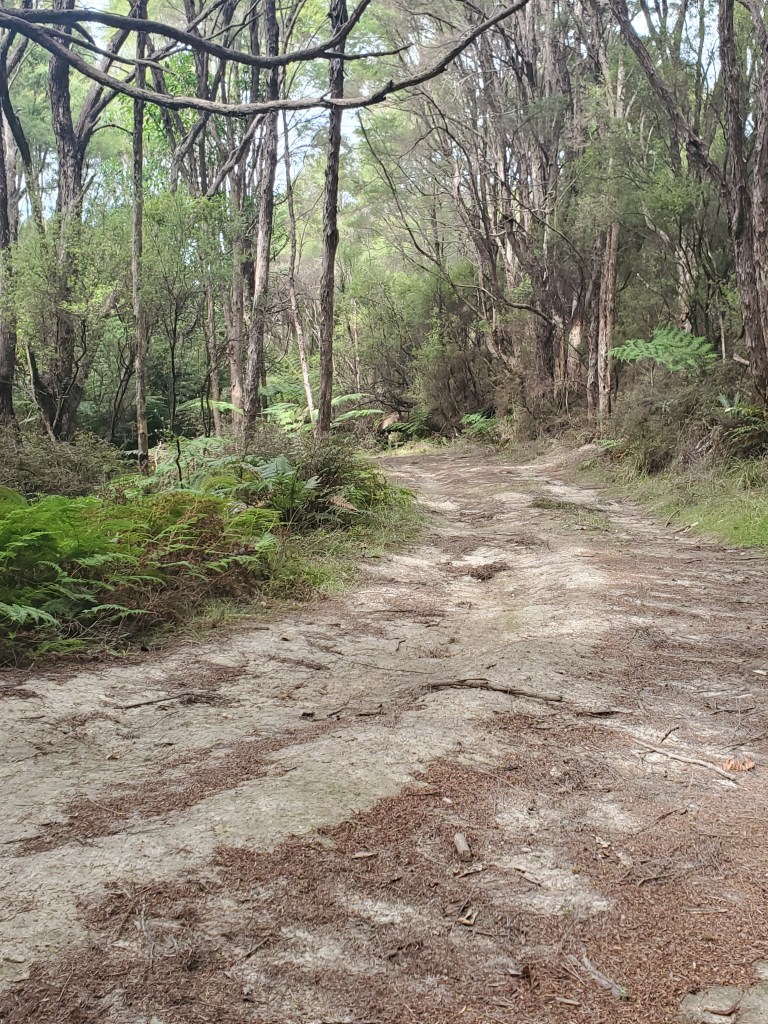
At kilometer 11 I took a break by the turn-off onto dirt, took stock and a few pictures, ate a bar, and felt fortunate. Next, about four kilometers on the dirt road, where I didn’t see a soul, just some logging equipment and maybe two driveways. The smells on this leg of the trip were amazing, too. Rich and sweet at first, and I wasn’t sure why, though I suspected it was related to the pink flower petals that seemed to have fallen everywhere. Every now and again, a strong whiff of liquorice. Then the familiar smell of fresh-cut timber as I passed a logging operation. There were sections of monoculture that looked like Douglas Fir, but for the most part it was a lovely, diverse forest, with massive blackberry bushes crowding the road. The berries were a size I’ve only seen in the Pacific Northwest, but those I tasted weren’t as sweet as I’d hoped.
Found the dirt, feeling good.
My instructions told me that at the end of the road, I was to “pass through the gate,” and follow the trail to another dirt road that I could see was quite close. However, when I reached the end of the road, there were TWO gates. And I, it seems, I took the road less traveled by.
Sounds of the forest.
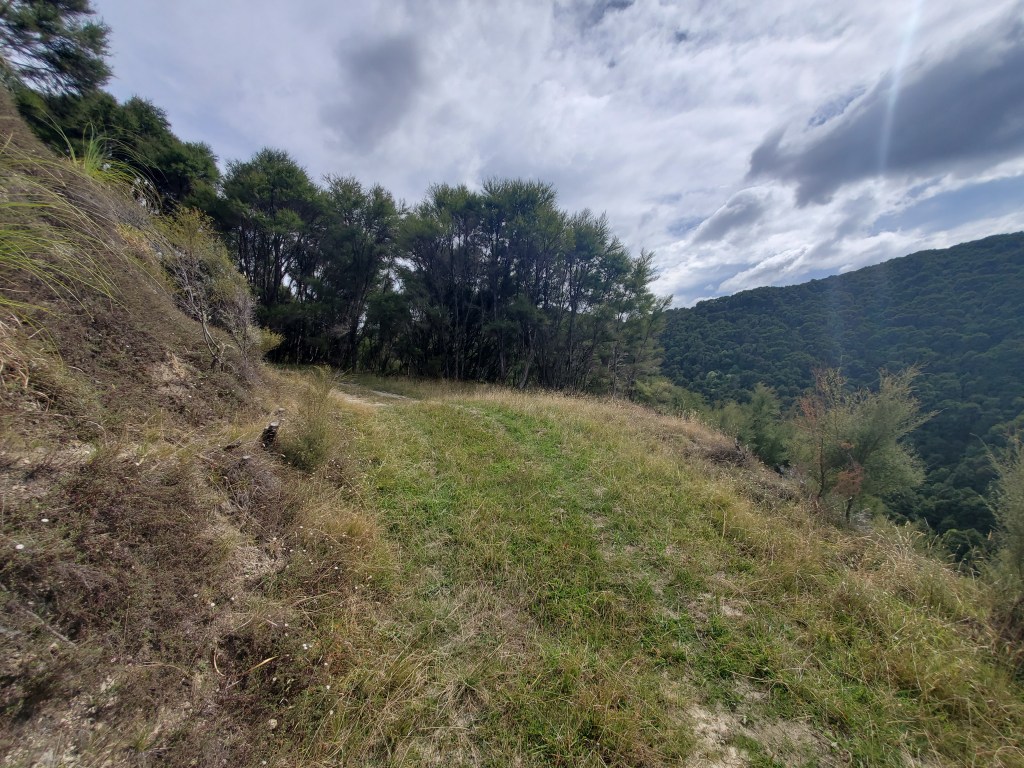
After a long descent on seldom-traveled doubletrack, I passed three or four baches (in this case, hunting camps) and crossed a stream, then began a long, meandering ascent. There was much evidence of ungulates, but I didn’t see another mammal, just hordes of birds, including a curious fantail which I was too slow to photograph. I optimistically assumed that the trail would eventually take me up over the ridge to my south and back down into Matokitoki Valley, which is where I was supposed to catch another dirt road back to civilization. It was not to be. I rode (mostly walked) another four kilometers up a gorgeous trail parallel to the road, finished my water and the other bar, and realized that by staying on this trail I was just going to continue into the interior, far, far past my goal. All the walking was hard on my feet as my new shoes were a bit small, and my legs were cramping as the ride was a bit more that they were used to, not to mention that I went through my water much faster than anticipated. The sun here’s no joke.
Beautiful, but I needed to be down there on the other side of the picture.
At this point I could turn back, which probably would have been the best choice, or bushwhack to the nearest road, which is what I decided to do. However, I was way up on another ridge, and the only way down was through very steep pasture. I decided to do it along a fence line, which was helpful but the line was so steep that I sometimes had to slide on my butt. About an hour later I reached the bottom and hit a stream, which felt wonderful on my tortured feet, though there was no question that drinking it meant instant giardia. I waded downstream for maybe another half hour before I found a path up to a dirt road, which I followed until it, too, started turning away from the closest pavement, so I set out through the bush once again, and finally made my way to the road. Made a few repairs to the bike, then pushed hard for the nearest convenience store, another few kilometers down the way, across from the hospital where Michelle was working. Drank (slowly) some water and Gatorade and made for home as quickly as I could. Which was slow, as pushing at all made my legs cramp. At this point I was talking to myself, encouraging banalities like “you can do this” as commuters in business suits whizzed past me on one-speed bikes. Arrived three minutes before I had to pick up the kids. When I finally went back to clean up the bike, I discovered the back wheel was completely flat. Not sure when that happened. In any event, 35 kilometers into what was supposed to be an 18-kilometer ride, I was home.
It was a humbling experience, particularly in that the lesson is one that I thought I’d already learned: middle-aged people returning to their outdoorsy passions after having spent a few years home with kids have a tendency to hit it too hard and get hurt. Last year when half of our friends (including me) returned from winter break with ski or snowboard injuries, we talked about this phenomenon a fair bit. Anyway, I feel fortunate to have escaped with little more than blisters and sore legs. Hopefully this time the lesson sticks.
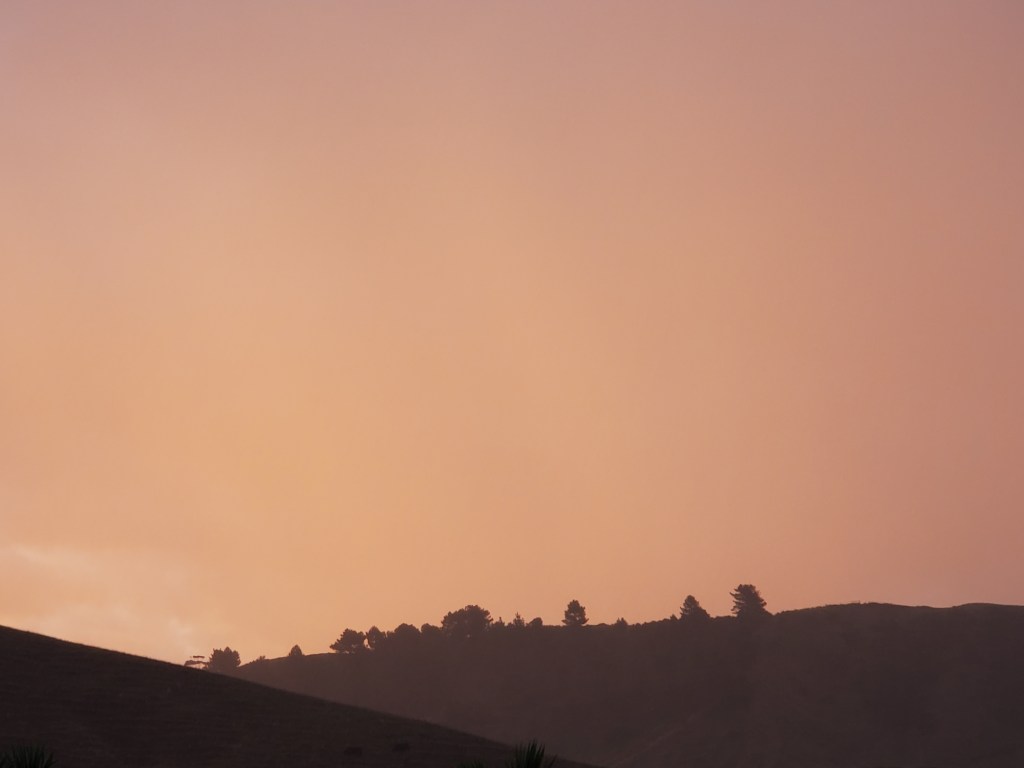
So that was Wednesday. Honestly what I thought I’d have to say about Thursday was that it brought the first rain we’ve seen since arriving in Gisborne. It was a welcome relief from the blazing sun, particularly for the nascent herb garden, which it seems I have mistreated. The rain brought dramatic light over the hills, and on the other side of the house, quite an impressive rainbow.
Thursday was also Michelle’s first night on call at the hospital, and she had to go in for a delivery around 1:30 AM. I was vaguely aware of her departure. Then about an hour later, the house began to shake. I mean REALLY shake. After a moment’s disorientation, I made my way across the bucking floor to the kids’ side of the house, bracing my hands against the walls like I was on a ship at sea. The whole house was clanking and rattling. Emlen managed to sleep through it, but the quake had woken Maika, who was wondering what the hell was going on. We hung out until it was over. The shaking stopped but the noises continued for a half-minute or so, which was a bit disconcerting.
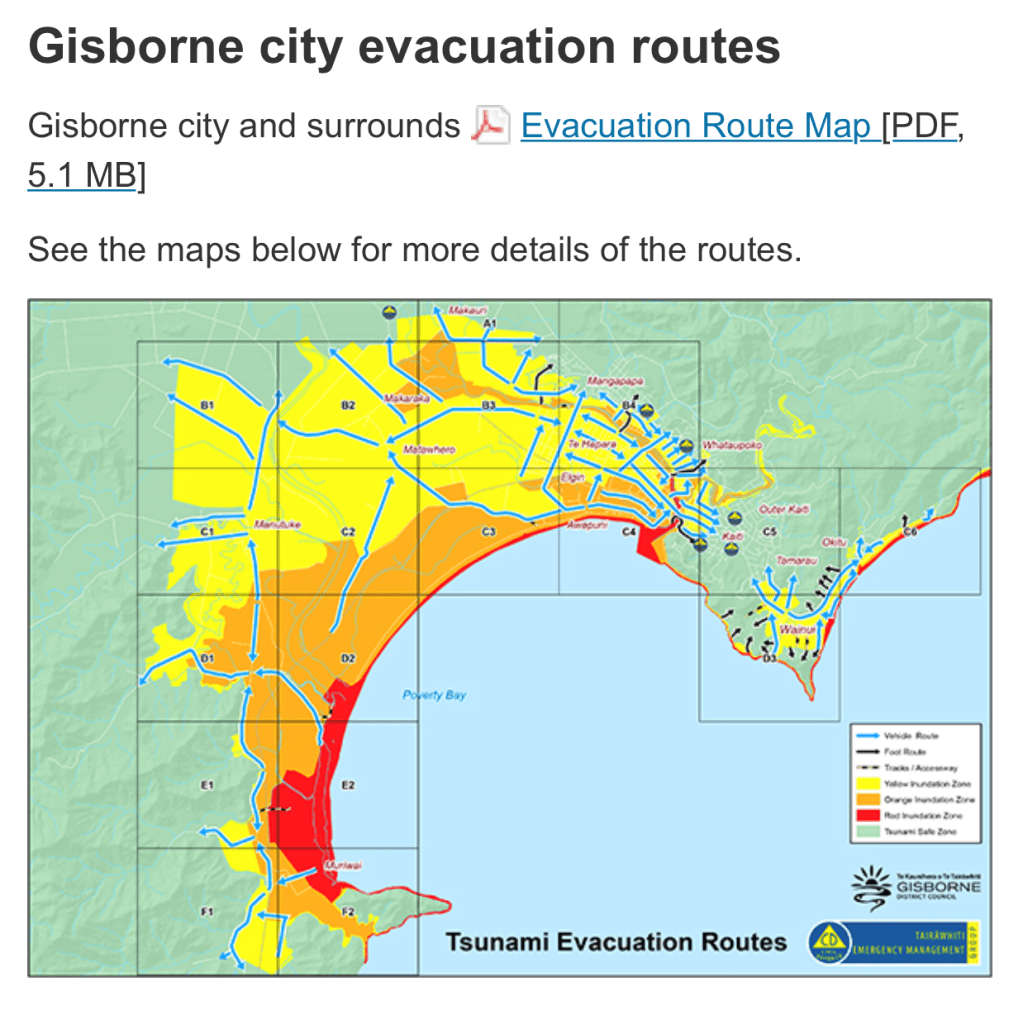
I phoned Michelle, who as it happened had completed her delivery and was driving home during the earthquake, and thus was totally oblivious to it, and thought I’d lost my mind. When she pulled into our neighborhood, however, a number of neighbors were already driving out, heading for high ground for fear of a tsunami. We discussed it, realized that we were totally unprepared, and piled the kids into the car in pretty short order. We drove a lot further inland than was probably necessary, and parked on the side of the road for about an hour, using our phones to get informed as to the protocol, subscribing to the relevant twitter feeds and reading the relevant websites. We’ll be better prepared for the next one. Our house, as it turns out, is in a yellow zone, which means it’s vulnerable to a tsunami, but only one that’s triggered by a big quake relatively close to home. According to GeoNet, which reports seismic activity in New Zealand, the quake we felt was magnitude 7.2, at a depth of 14 km, and centered 125 km east of Te Araroa, which is on the coast about a two hour drive north of here. There were actually a couple stronger quakes that followed shortly thereafter, but which occurred further out, and so we did not feel them, though much of the island was threatened by the possibility of a tsunami resulting from the third quake, which measured M8.1.
Michelle tweeted about her experience, which somehow made the next morning’s news and garnered her a great deal of attention, which amused us all. She and I dropped the kids at school Friday morning, had coffee together at the cute little surfer coffee shop down the road, and then she was back to the hospital. The next town north, Tolaga Bay, had been evacuated due to the possibility of a tsunami, and the hospital parking lot was still quite full of people waiting for word that they could return home. Pretty soon after her arrival, Michelle’s colleagues started getting calls from their kids that their friends’ parents were picking them up from school and that they, too, wanted to come home. She called me and we agreed that we’d best err on the side of caution, so I went and picked up the kids. Who were pissed! Emlen, because he was going to miss yet another day of swimming in the pool, and Maika, because she was just sitting down to draw with pastels.
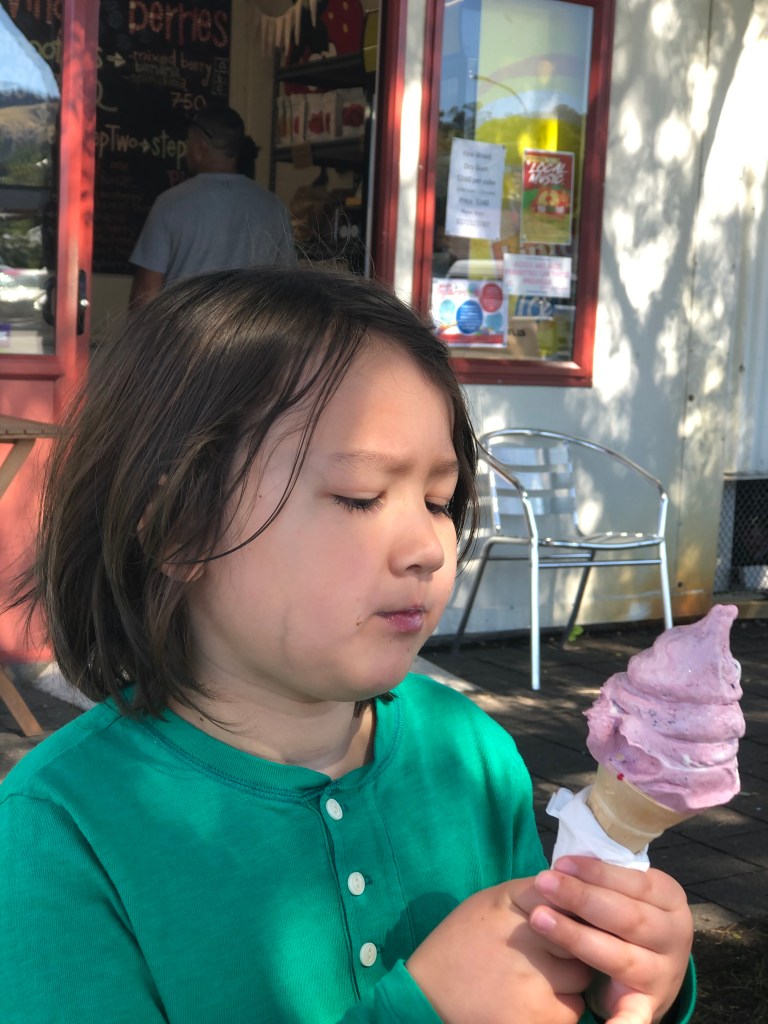
The BEST ice cream.
I placated them with mince pies and ice cream. Our favorite little pie bakery has a smoked fish pie that absolutely kills me (the rest of my family finds it meh). The ice cream place across the way only does berry flavors, but they mix the frozen berries into either ice cream or yoghurt to order and it’s probably the best ice cream I’ve ever had (it’s going to get old, I know, but in the course of two weeks I’ve had the best honey, ice cream, milk, plums, fish, and oranges of my life. The coffee is also excellent, but Caffe Ammi, you know I’ll always love you). You can taste the cream in it — a possibility that had never even occurred to me. Anyway, Michelle met us and we spent a nice afternoon together, and once we got the all-clear, it was back to the beach.
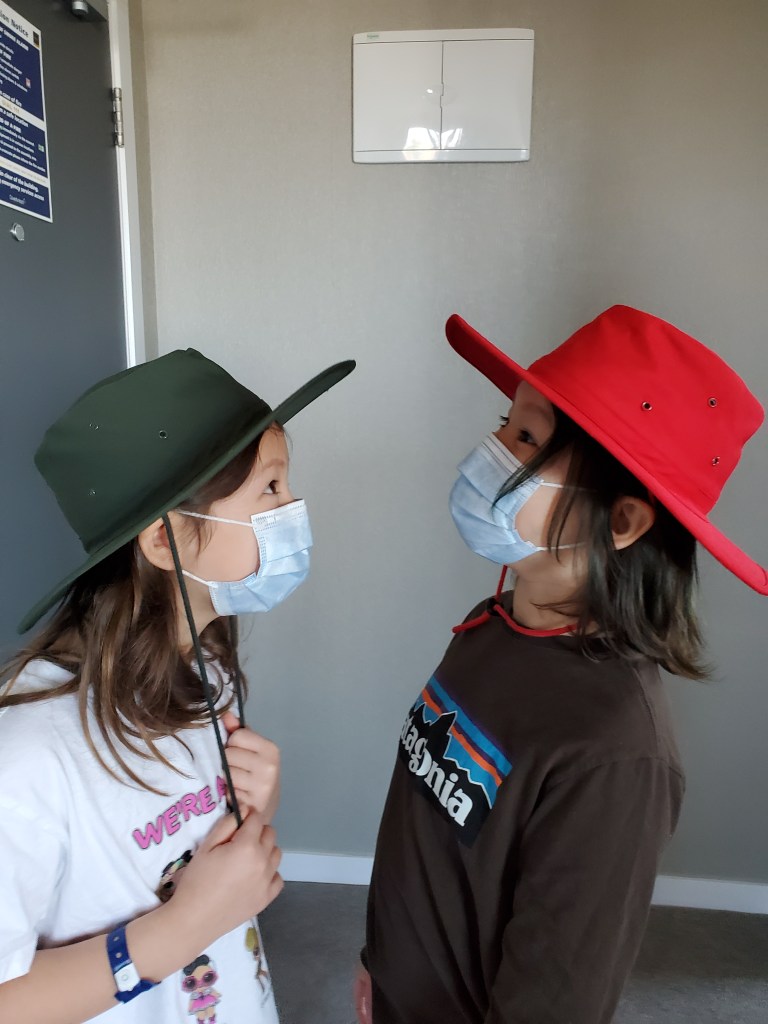
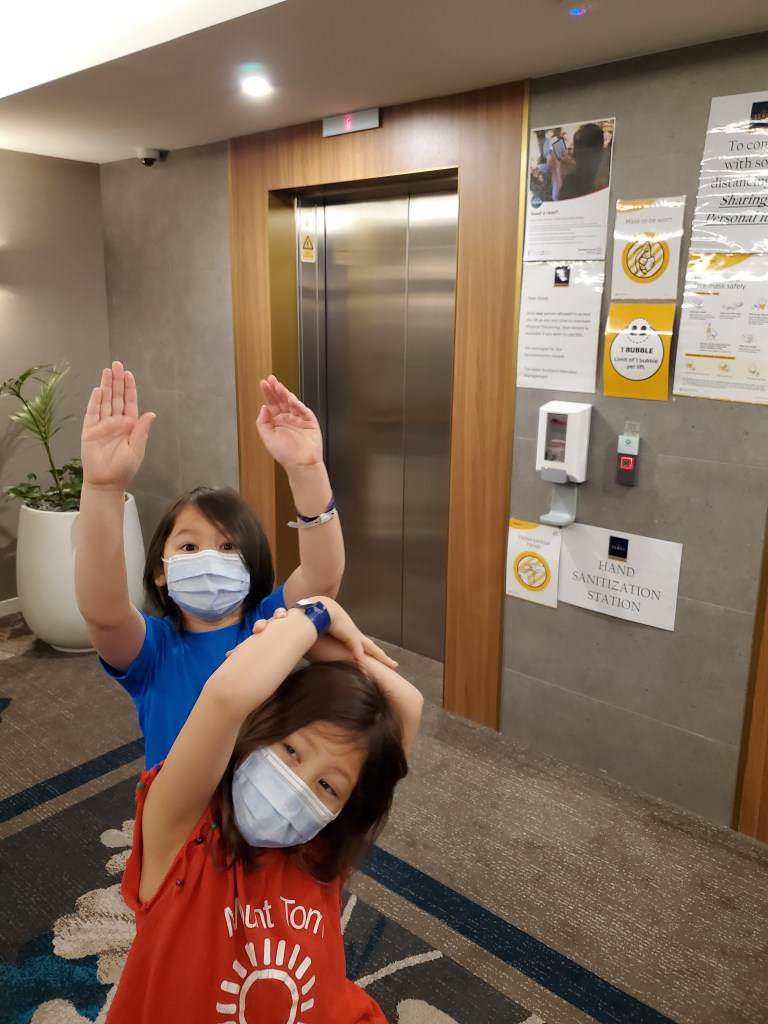
The kids prepare for departure from managed isolation.
The last morning of managed isolation I was a wreck, anticipating our freedom and worried over the potential for delay. The cusp of release back into the world was too exciting for me. The rest of the family maintained a bit more equipoise. Strangest (for me, anyway) thing about managed isolation was the lack of control. We couldn’t even go out onto our deck (the door was locked), which was a constant reminder of just how circumscribed our lives were.
First stop: the Chinese supermarket across the street from managed isolation.
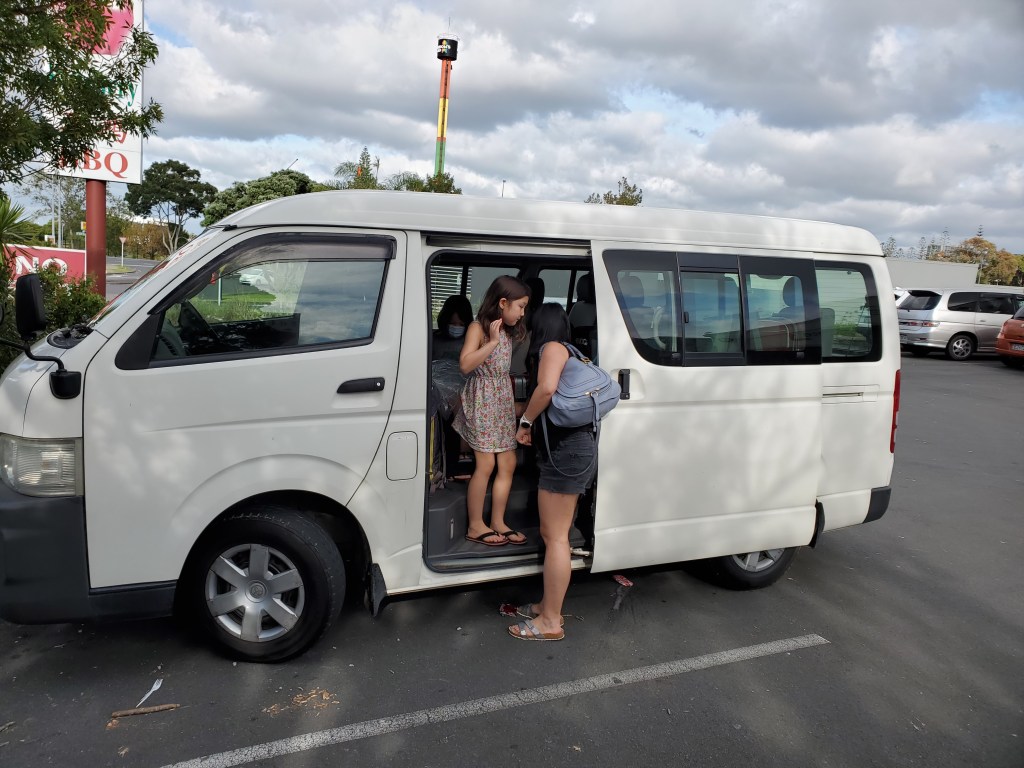
Lo and behold, the minibus was delivered on time and we were out the door pretty much on time, just past 9 AM. They took us out the back, as there were new arrivals being processed in the lobby. Our new friend Benny, who works security at the facility, brought the minibus around back. It’s a Toyota Hiace (It took hours of searching to find and when I requested it, the lady on the phone had no idea what I was talking about, as I pronounced it “hi-achay;” it’s actually “high ace,” like the card – the first of many intercultural misunderstandings). It’s a three-speed ten-seater, with a vinyl smell the kids hate and which reminds me of the 1970s. Tough to back up, as a small cow could hide in the blind spot, and the front is pretty much flat, so at anything over 100 kph the thing dances from side to side like it’s hot to take off into a ditch. It’s the only thing we could rent big enough to accommodate our 15 pieces of luggage. To secure a one-way rental from Auckland to Gisborne, we had to rent it for 14 days, so it continues to be my ride for the time being. It is what it is. On the upside, I feel a bit like a hippie beach bum driving it around town, and have kept my COVID-hair, borrowed Michelle’s glasses, and bought a hat to accentuate the look.
Totally posed picture Michelle took in the driveway.
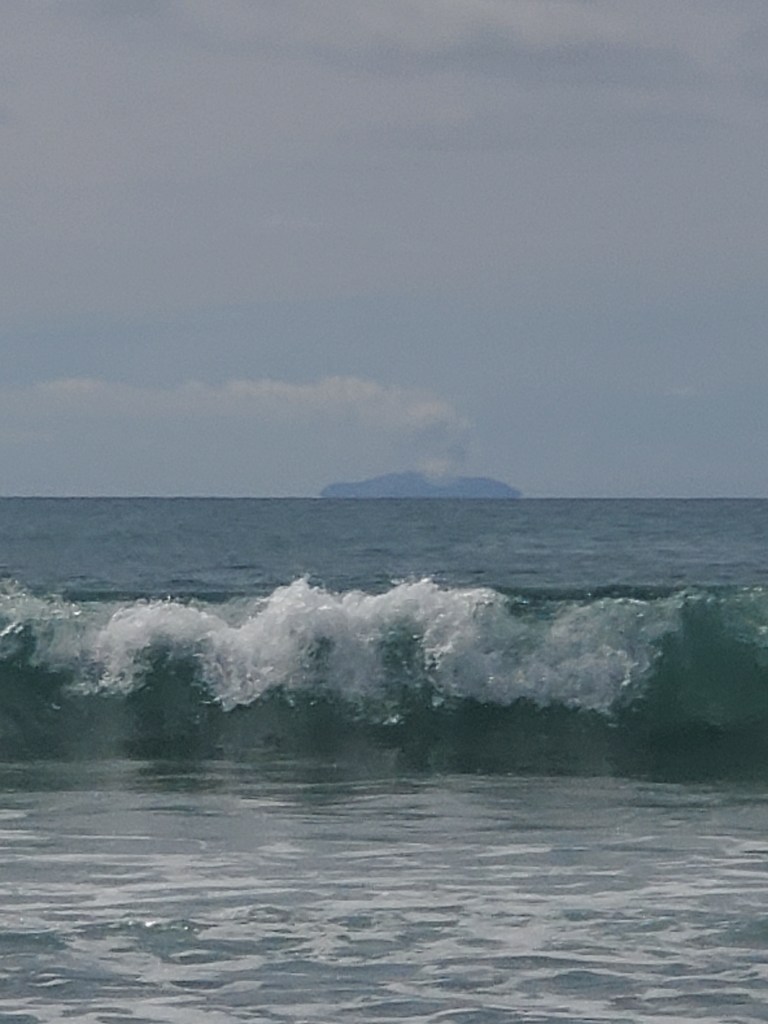
I’d been nervous about driving on the left, but the 463 kilometers home went relatively smoothly; just a couple left-hand turns into the wrong lane on empty roads. And the trip was gorgeous. Through avocado country, then kiwi (the fruit) country, cow country, and along the coast with the ocean to our left and massive, twisted trees growing horizontal out of sandstone cliffs and overhanging the road from the other side. Michelle remarked that it was like Vermont and Hawaii had a baby (a big one). We stopped for decent dim sum in Tauranga and again two hours later at a beach outside Opotiki, where we could just make out the smoking cone of Whakaari, the White Island, currently the most active volcano in New Zealand.
Volcano!!!
From this point, the drive became more twisty, as we followed the Waioeka River up into mountains covered with lush native forest. We passed a few knee-deep fisherman and were passed by a handful of vehicles, who consistently beeped thanks when we pulled over to let them by (I’m always charmed by polite drivers, as it reminds me of Vermont. People here wave back when you drive by in the neighborhood, which also makes me unreasonably happy). I expected the forest to stretch nigh to Gisborne, but the second half of this final leg was mostly high pasture. For all the celebration of New Zealand’s sheep, we saw much more cattle, which makes it feel all the more like home.
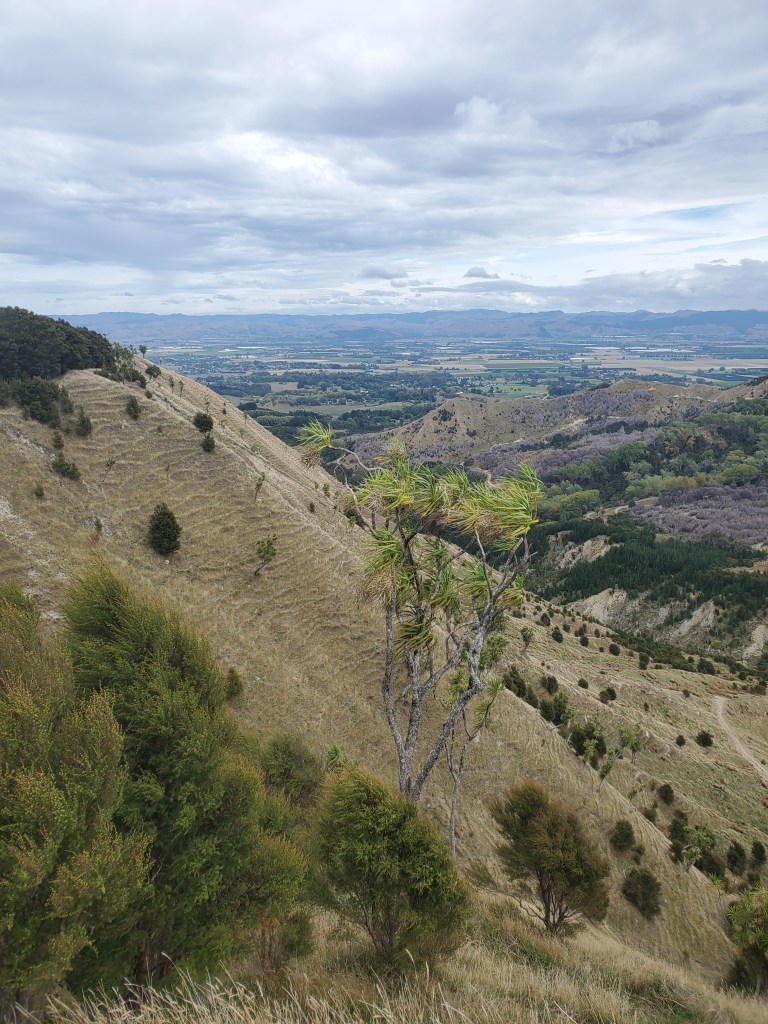
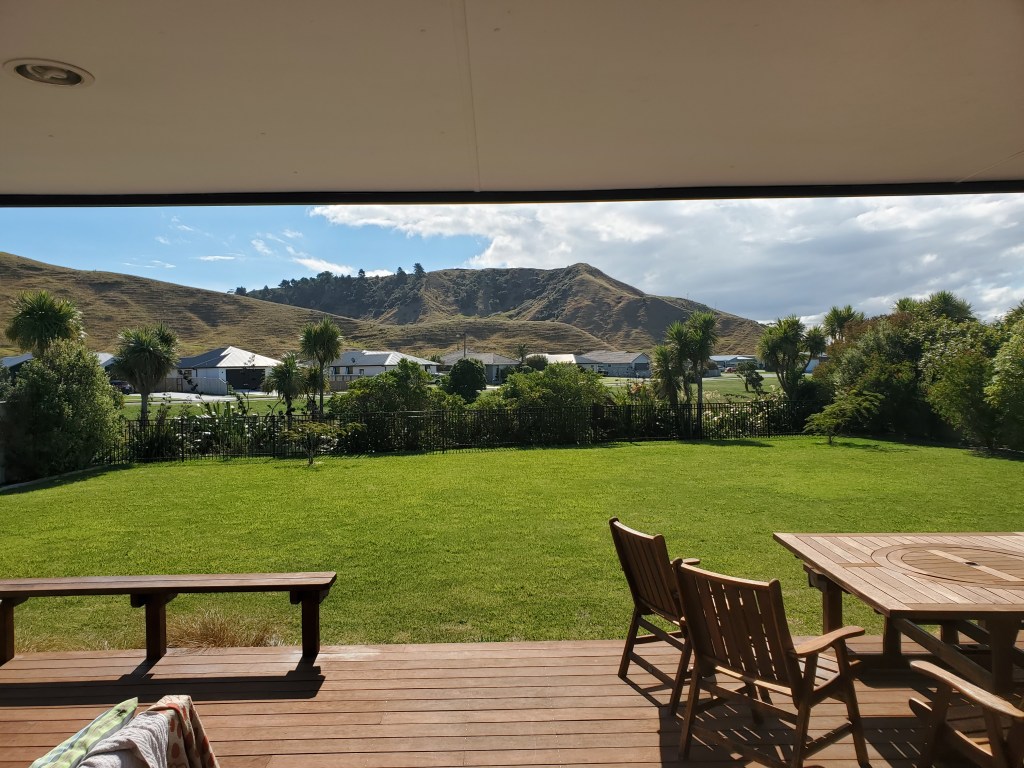
Gisborne itself feels to me surprisingly like western Montana. Missoula on the ocean, with vineyards and orange groves. It’s a laid-back town in a laid-back country (one of Michelle’s colleagues told her that folks in Gizzy are so laid back “we’re practically lying down”). Our house is a couple miles east of downtown, in a new development of maybe sixty houses, plopped down beside a quiet road to a small beach, nestled in a valley between steep hills covered in long brown grass and gently terraced by generations of ruminants. The current inhabitants are cattle, though I imagine there may have been sheep here at times as well. On my walk yesterday it was so quiet I could hear cow teeth ripping the grass a hundred feet away. It was them, me, the birds, and at the beach, a couple surfers who must have been up before five. We won’t be able to keep chickens here – that’ll have to wait for our forever home – but it does feel a very safe place for the kids to stretch their wings a bit.
The view out the back of the house.
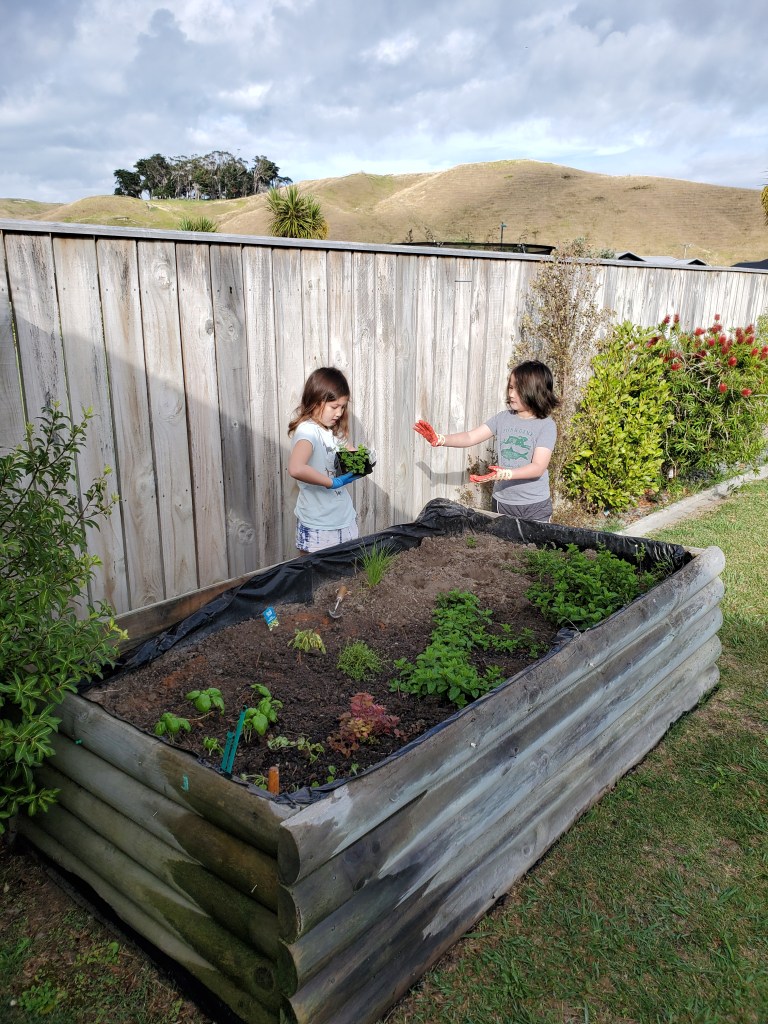
The kids plant our herb garden.
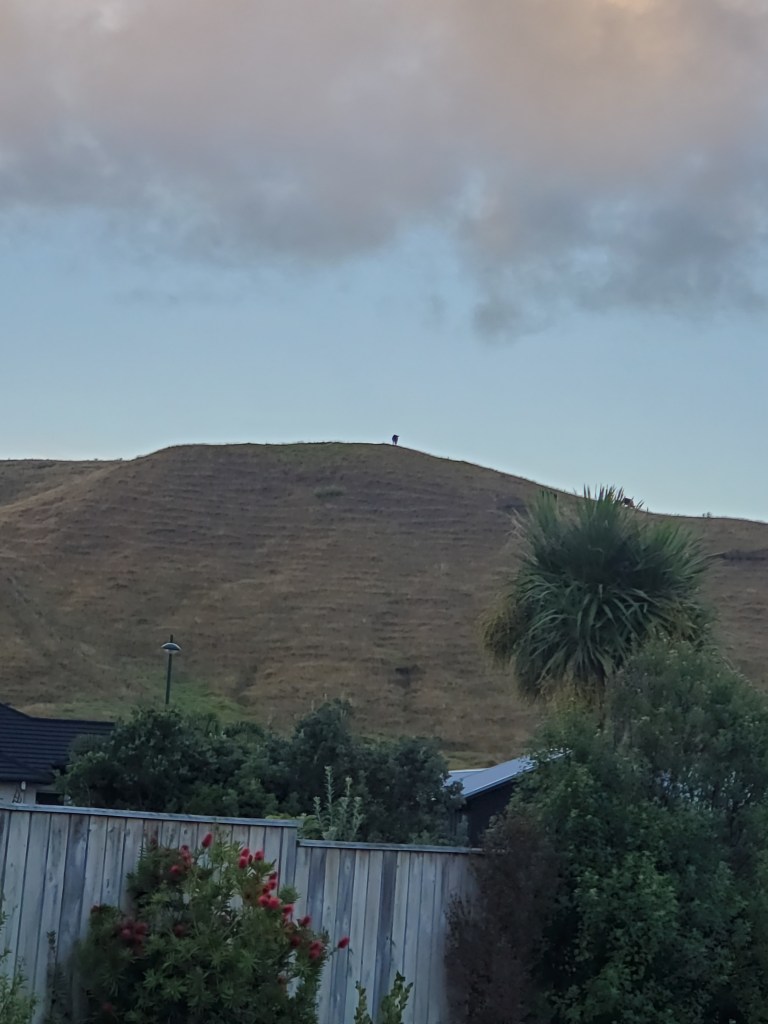
Lone cow on the hill across the way.
Sunset one klick down a quiet road.
At Sponge Bay Beach, our neighborhood surf spot.
End point of my jog this morning (the road continues; I could not).
In our first week the kids and I have spent an unreasonable amount of money at the local bookstore, and I am learning a great deal from said books about local flora and fauna. Maika has fallen in love with mince pies, while Emlen favors the cheesed variety. We planted a garden and have visited three beaches. Both kids have become avid body surfers, which bodes well.
Getting to know the house has been great, and we’ve learned to open it up in the early evening for the breeze to cool the living space. I’m loving hanging our laundry on the line rather than using a dryer. There are some weirdnesses, like the B.O. infused outdoor furniture, but nothing a bit of vinegar or maybe Febreeze or at most a bonfire won’t fix.
First meal out in a spell.
One week in, life here is pretty amazing, and we feel incredibly fortunate. We (along with what must have been half the town) hit the farmer’s market yesterday, where there were fresh dumplings served on huge leaves, great coffee, local wine, live music, and tons of veggies and fruits, including amazing finger limes that were new to us all. We had to cut our visit short, however, as Emlen is still recovering from a playground injury sustained our second full day in town, which has somewhat curtailed our explorations (he’s doing much better today!).
The fam at Wainui Beach after we visited their school across the street.
The kids have their first day of school tomorrow, and the school really deserves a post of its own. We (the adults) are trying not to prejudice their experience, but based on our tour on Friday, it seems great. No hallways – all the classrooms have big porches and to get from one section to another you cross through a garden or some other open space. Two gardens, one for vegetables, another for native medicinal plants. Shoes optional, and the kids are encouraged to climb trees, of which there are many. There’s a skate ramp at the playground, a pool they’ll swim in every day, and six beehives, which, starting Maika’s year, the kids can help tend. To be honest, I’m a bit jealous.
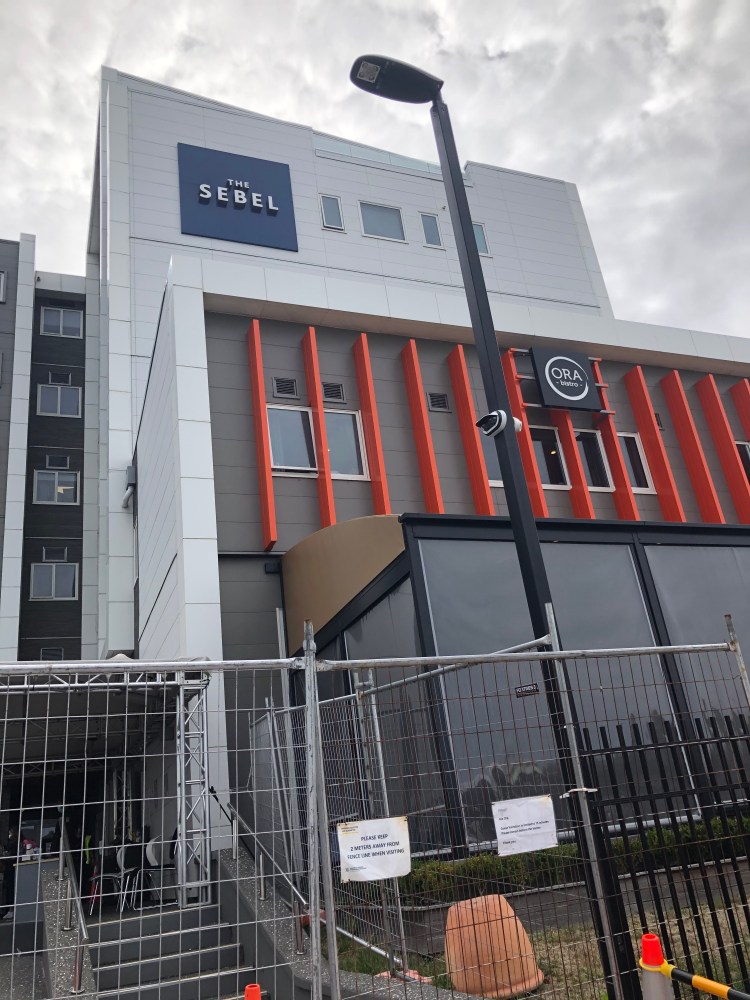
On arrival, we received a speech from the Navy officer responsible for our quarantine facility, who cautioned us against referring to it as a hotel; it’s a quarantine facility (of course it’s also a hotel). For the first couple days of our stay, we would be relegated to our rooms, except when we were called down to the second floor for COVID tests, which we would receive on Day 0, Day 3, and Day 12. If and when our first test results came back negative, we would receive blue wristbands to wear for the rest of our stay. These wristbands would permit us to leave the room for scheduled outdoor time (40 minutes/day), or to drop off laundry or pick up groceries in the lobby. When outside the room, we were to wear masks at all times, and our family was to move as a bubble.
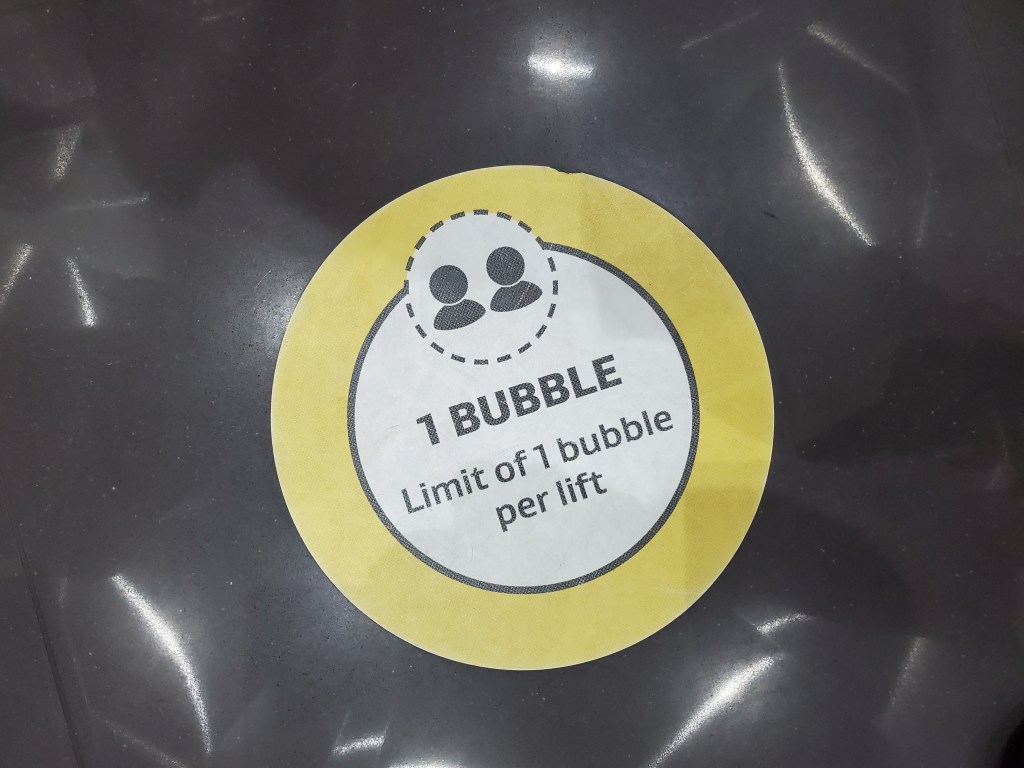
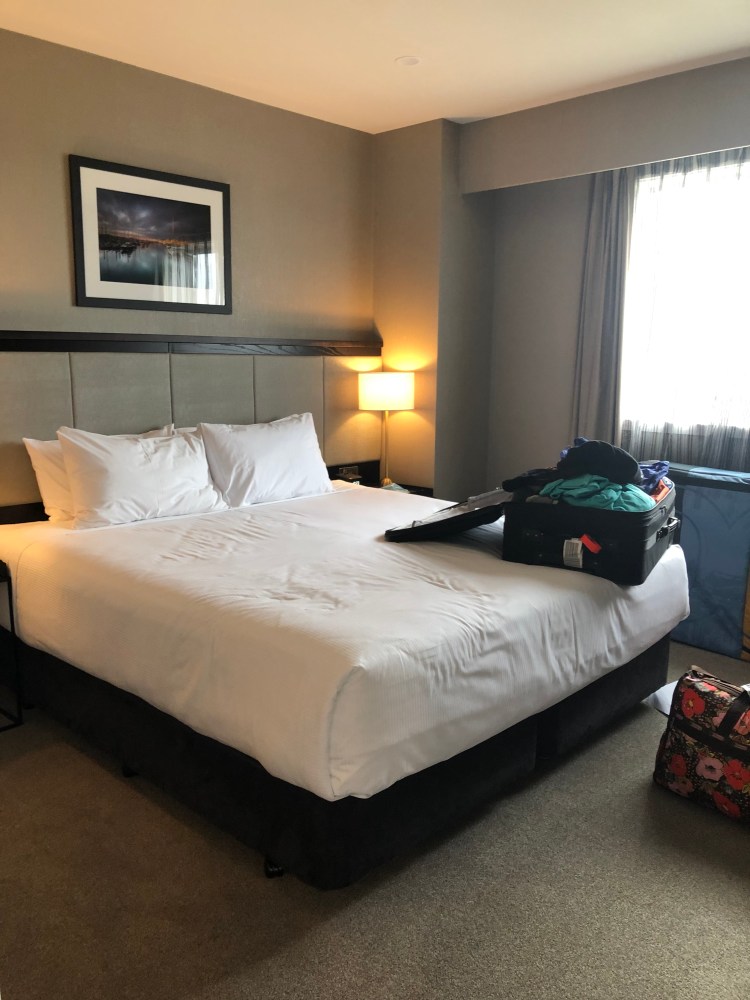
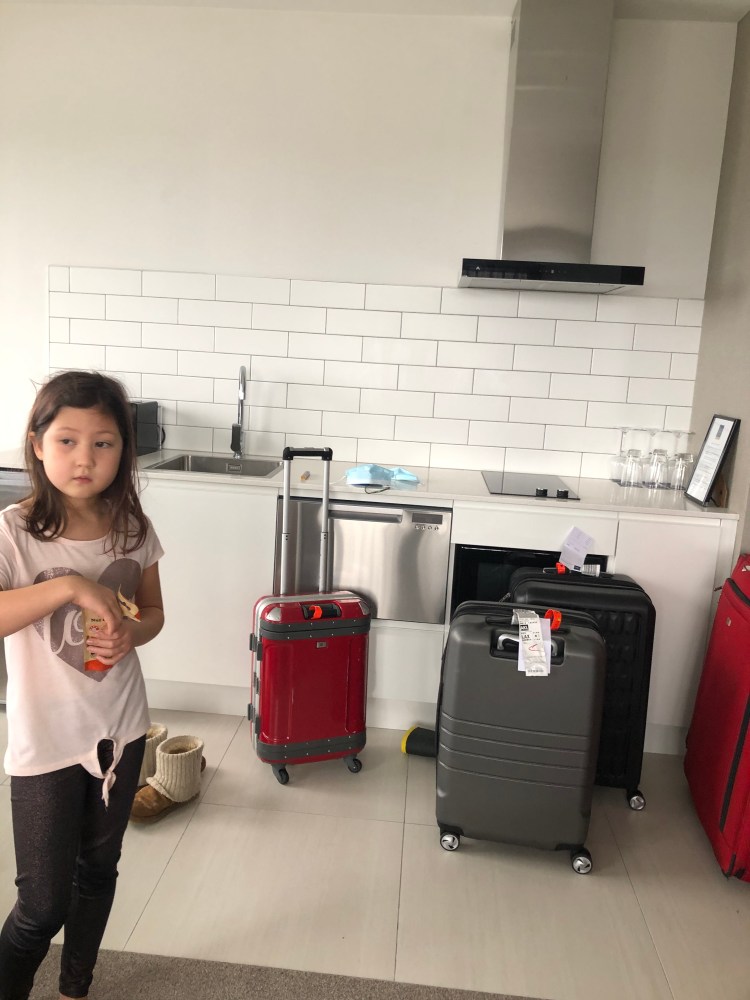
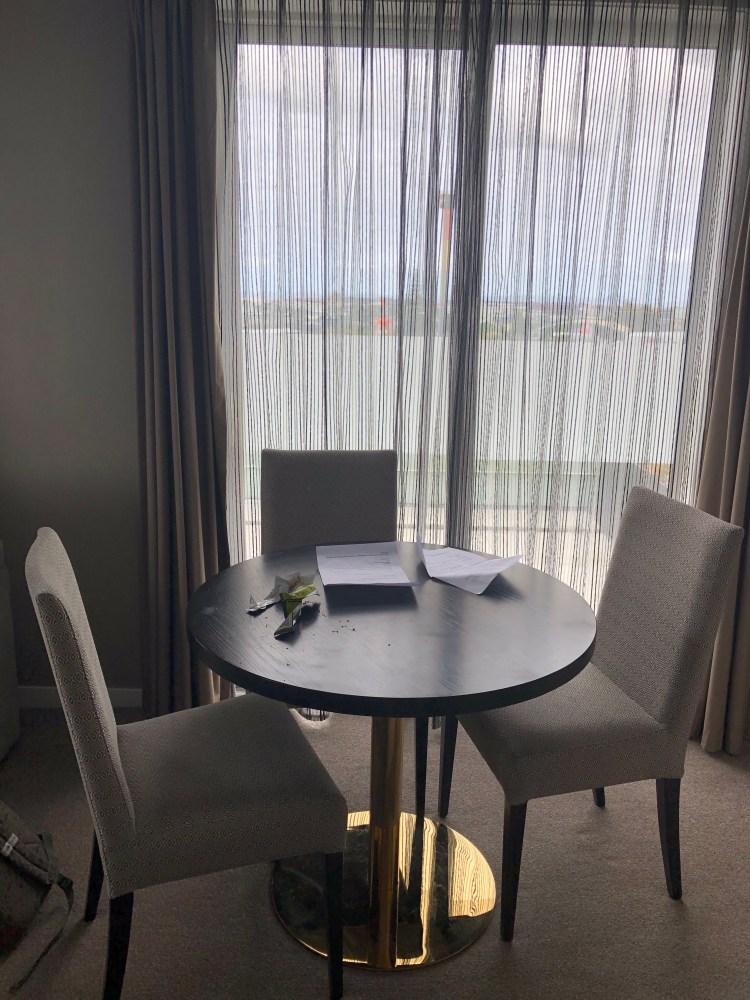
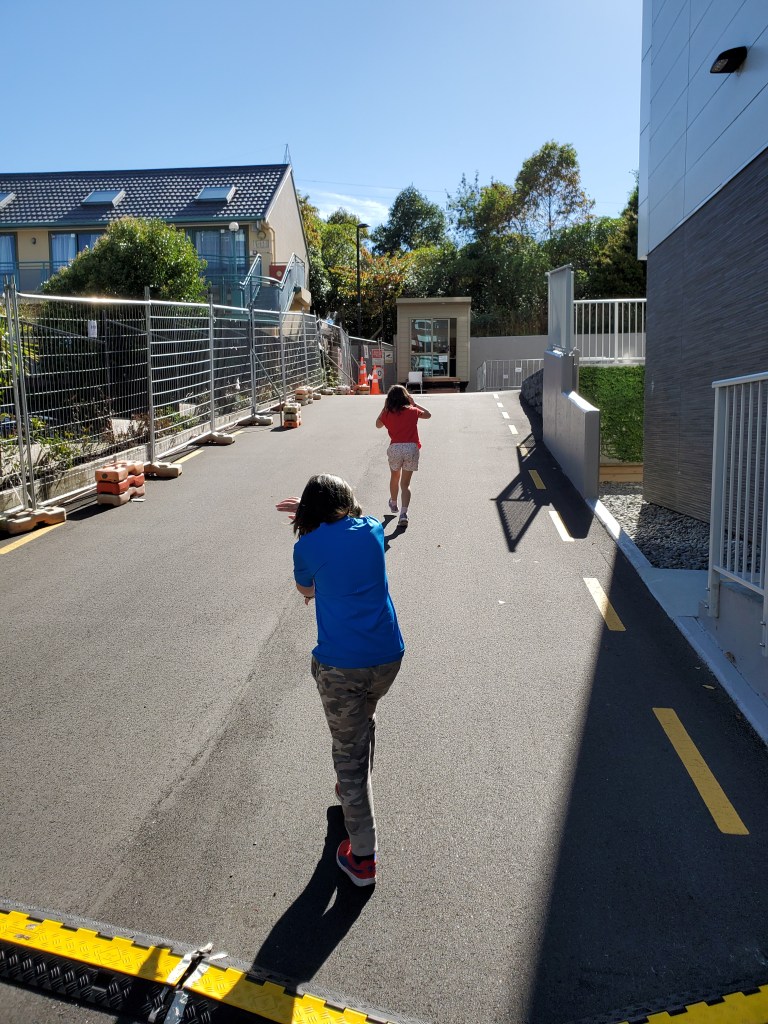
There are “1 bubble” stickers on the pavement in front of the hotel and in the lobby, spaced two meters apart, and we skipped forward from sticker to sticker as other pods made their way through the line. We identified our luggage, carried what we could ourselves and received assurances that the rest would be delivered by friendly young Navy men. We received our keycard at the front desk, placed our food orders for the rest of the day, and made our way up to the sixth floor and our room. Which was nicer than we’d anticipated. A suite with a large bedroom, a fold-out bed for the kids in the living room, and a well-stocked kitchenette, including a table for four, Nespresso machine, microwave, mini fridge and stovetop. A couple hours later we were called down to the second floor for our first health check, which thereafter would be done at the door of our room.
Chez nous
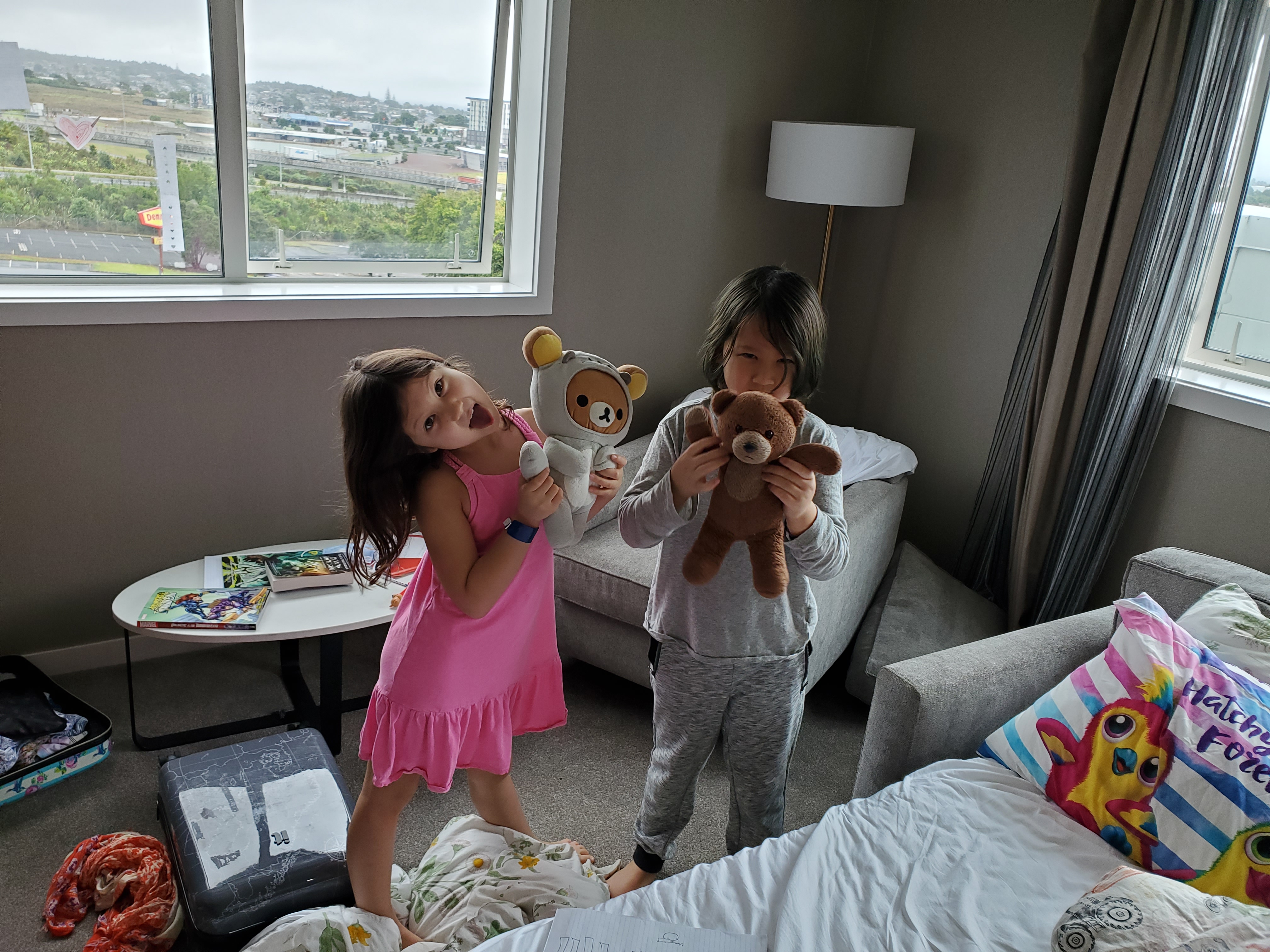
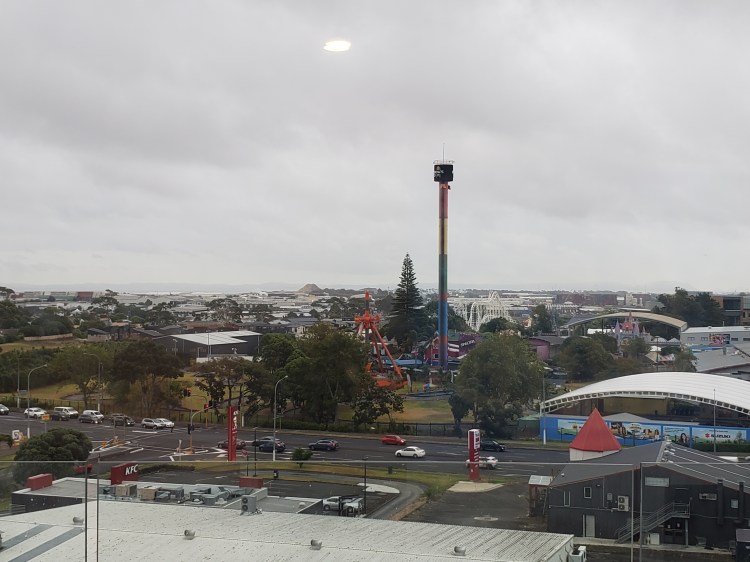
We’re on the southwest corner of the building. To the west we have a view over a small amusement park and what otherwise looks like a light industrial zone. To the south there’s a hipster church and a Denny’s, a tangle of roads, and in the distance an artificial whitewater rafting facility that we can barely make out. The view got old after a few days, but we spend a fair amount of time leaning on the windowsills and looking out into the distance, anyway. After the rain you get a long view out to the west over the water and to some hills beyond. There have been a couple of quite lovely sunsets.
We’ve grown tired of the food pretty quickly. It’s heavy on meat, fried food, and mayonnaise. Mayo on pizza was a low point (I will say, for the sake of balance, that the eggs here are absolutely amazing, their yolks an almost alarmingly deep orange). Michelle has made a couple orders of mostly fruit, yogurt, and wine from a local supermarket, which has helped us get through some of the tougher meals. They start serving each meal on the first floor and work their way up to us last, so we tend to get pretty peckish, especially waiting for breakfast, which tends not to come until nine-ish, which feels pretty late when you’ve been up since four (Reminds me of a joke about an old couple at a Catskills resort: “The food here is terrible!” “Yes, and such small servings!”). Michelle and the kids have done mukbangs with some of the more unfamiliar offerings, and they’re also making ice cream in the fridge with an odd assortment of ingredients.
What with all the staring out the window, waiting for meals at the door, and pacing the enclosure when we’re let outside, we’re all feeling rather canine. We also read books and play games and watch movies. We do our exercise routines. Watching NZ television is fun, and the kids have fallen in love with Holey Moley, an Australian show that is half mini golf half ninja warrior. New Zealand TV generally seems a bit informal and silly, which we enjoy. The ads are hilarious.
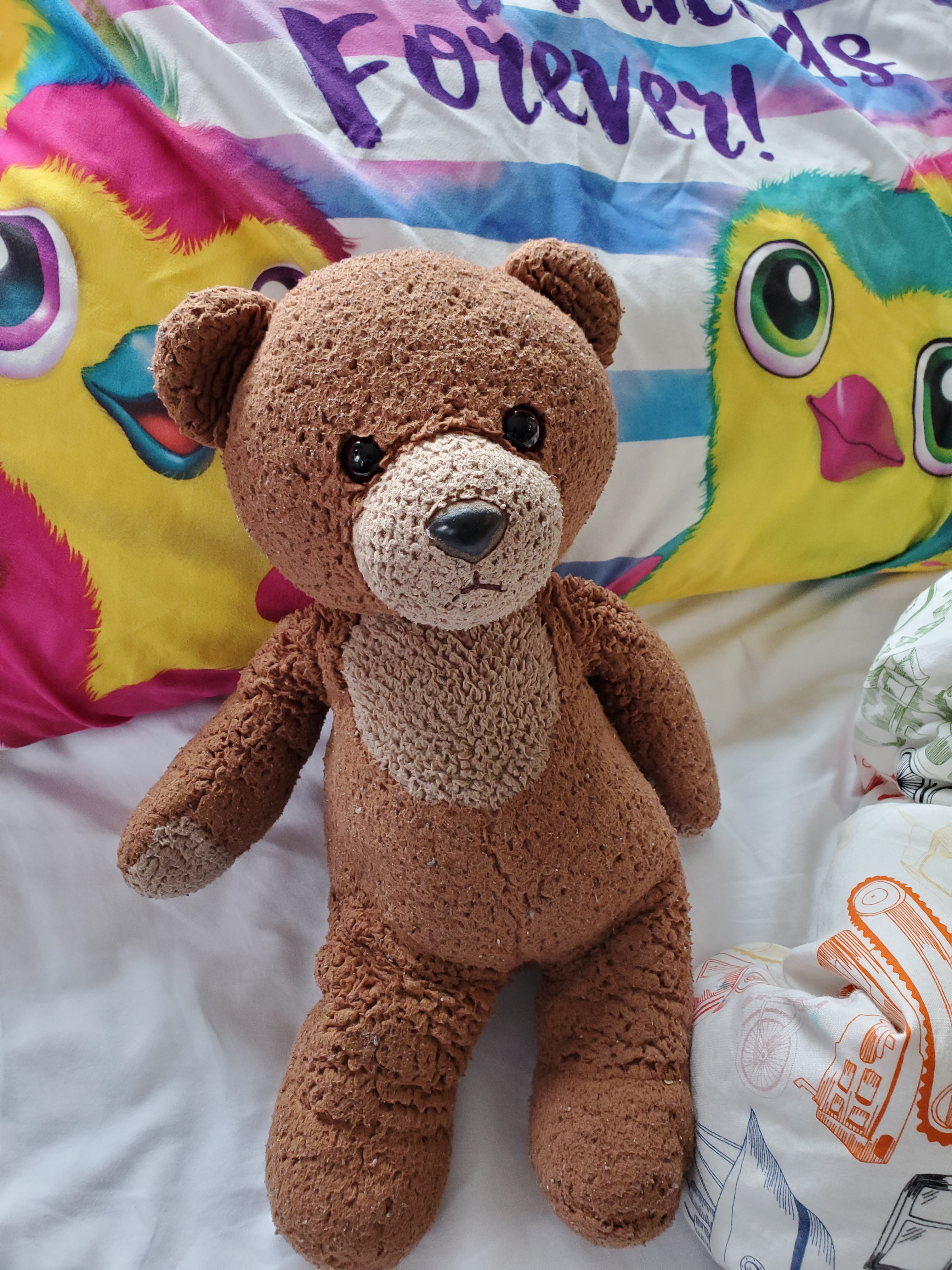
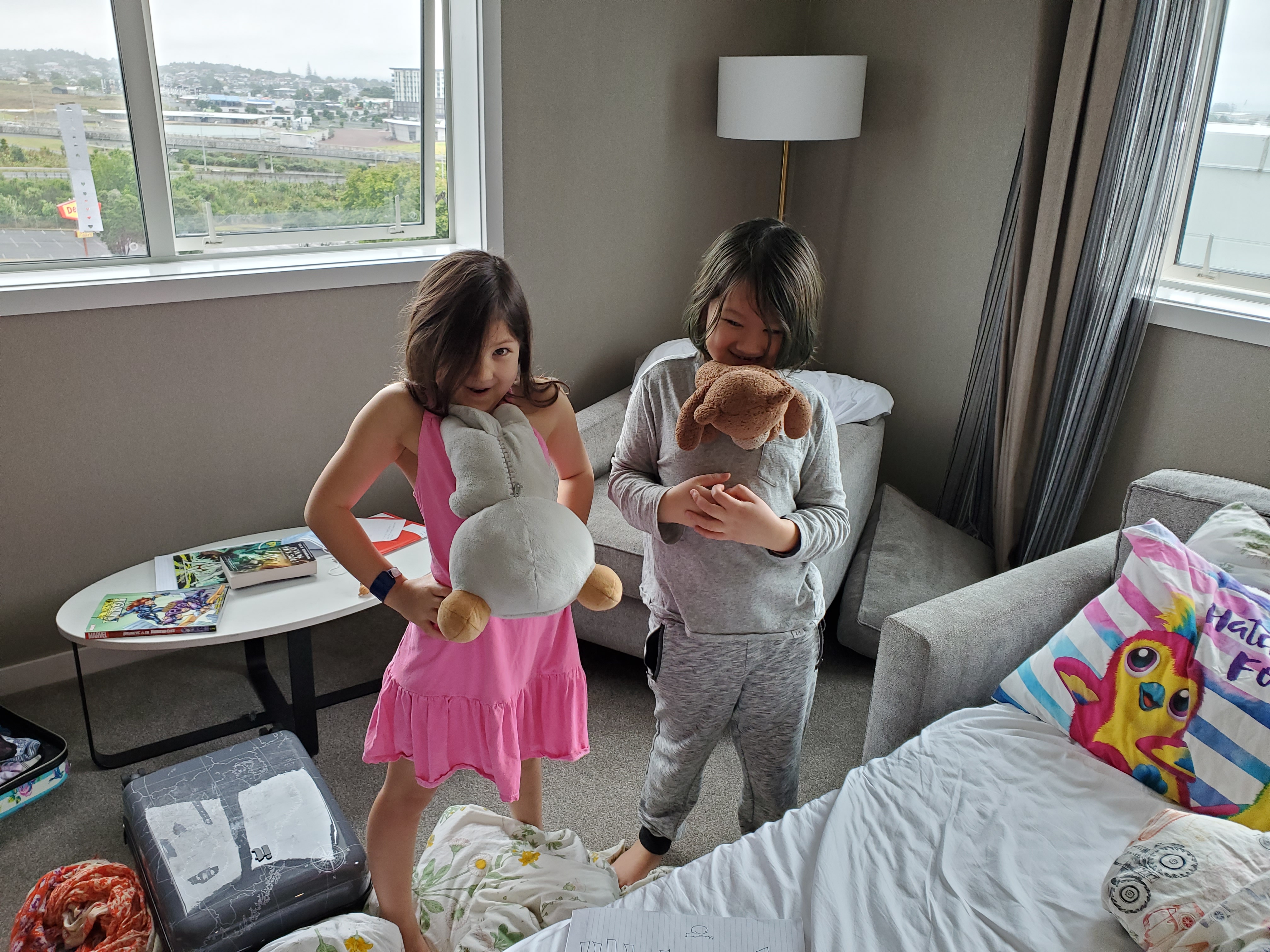
Some school supplies got dropped at our door a few days ago and the kids have used them a bit, but unfortunately the materials are for grades 8 and 6 rather than ages 8 and 6. Oops. So we’ve made up a few of our own school activities, including researching and compiling New Zealand bucket lists, which we shared with each other yesterday. We’re learning about New Zealand flora and fauna, which continue to amaze us and we can’t wait to actually see them in person (the only birds we’ve actually spotted are gulls and fantails, which are cool). On Valentine’s Day we all made valentines for each other, took turns hiding them and had a scavenger hunt. I think that was the day that Emlen decided his teddy bear was going to seduce Michelle. Since then we’ve had some high drama, which sometimes involves Emlen taking great offense on Teddy’s behalf.
In all, I think we’re feeling quite starved for novelty (not to mention vegetables), as it’s quite a monotonous existence. The kids and I have identified all the plants within camerashot of the parking lot. Michelle runs at 6 in the morning (the only time we are allowed to run — at all other times we may only walk in the yard), and sometimes has little tidbits to report. I went for a walk in the rain yesterday, which was nice because there were only three other quarantinees in the yard, so I felt a little less cramped. The wind blew off one guy’s hat and I got quite excited because I would have something to tell the family about when I returned to the room.
After much research and discussion, we decided against flying and in favor of renting a little bus (a Toyota Hiace) to get us to Gisborne next Monday. As we have 15 pieces of luggage, a normal-sized vehicle wasn’t going to cut it. We’ve had to rent the Hiace for two weeks, which is the minimum for a one-way rental to Gisborne, but on the upside, the company will drop it off here at the hotel Monday morning, which should ease our departure. It’s about a six-hour drive through what looks to be some beautiful territory, including a stretch along the coast. So I promise some more exciting pictures in the next post!
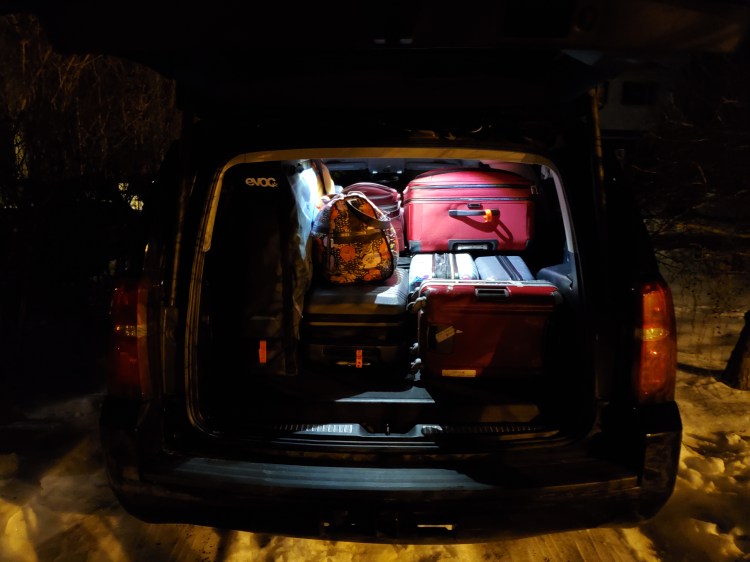
After months of negotiation, applications, and preparations, the day finally arrived and we were off! We stowed the mattress in a closet, did a final housecleaning, ate a quick breakfast, then packed the last of the luggage (about 15 pieces in all) into the Suburban and left our housekeys on the counter for our real estate agent who would start showing the house at nine.
The pack (most of it)
We arrived at Newark Liberty at seven. I left the family with the luggage at Terminal 3 and then made a couple laps of the airport looking for the car rental return. After a little panic and a few deep breaths, I took the airtrain back to the terminal, feeling uncomfortable with the number of people along the way, trying to maintain distance. The airport was surprisingly bustling for a mid-pandemic Saturday.
We were directed to special check-in due to my bike bag, but we needed it for Penny, too. The plan was to take her only as far as LAX, where Michelle would meet her father outside the airport, hand off the dog, then meet us back inside. We had originally hoped that Penny would come with us, obviously, but by the time we contacted a pet transport facilitator in November, the necessary government certifications wouldn’t be ready for her to travel until mid-March. Then, in January, Air New Zealand suspended all travel of pets until further notice. So it’s not clear when she’ll be able to join us.
A wonderful woman met us at special check-in and we proceeded to spend over an hour together, going over the visa, COVID test certifications, managed isolation reservation, and Penny’s documentation, weighing and reweighing the luggage, chatting about the various pets she’d seen come through (our favorite was an emotional support pony, which apparently used to travel quite often).
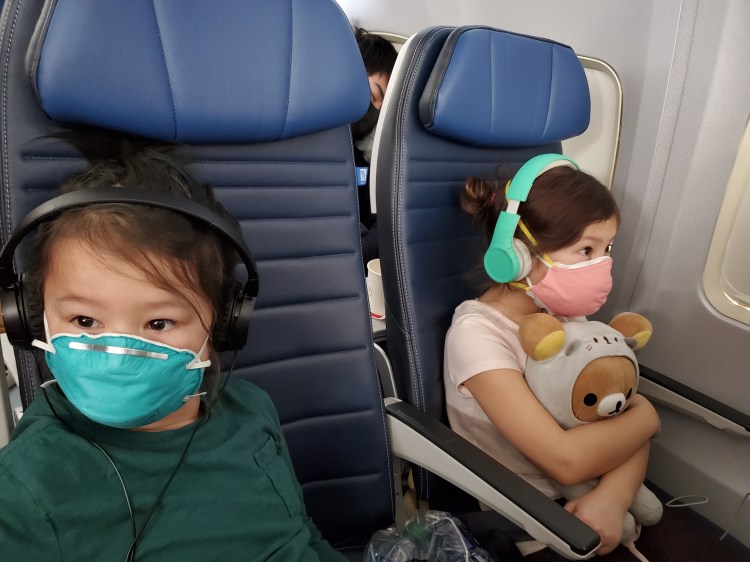
We made it through security and barely had time for bathroom breaks before boarding our 11 AM flight. After almost a year of only seeing other people outdoors or at the grocery store, the flight was an anxious experience. I sat across the aisle from a rather low-functioning couple who had trouble with rules, including those related to mask-wearing. There was, in fact, a surprising number of people on the plane flouting those rules, which was hard to square with the fact that we were flying to LA, where air quality-related limitations for cremations were recently suspended to address the thousands of bodies piling up at local hospitals.
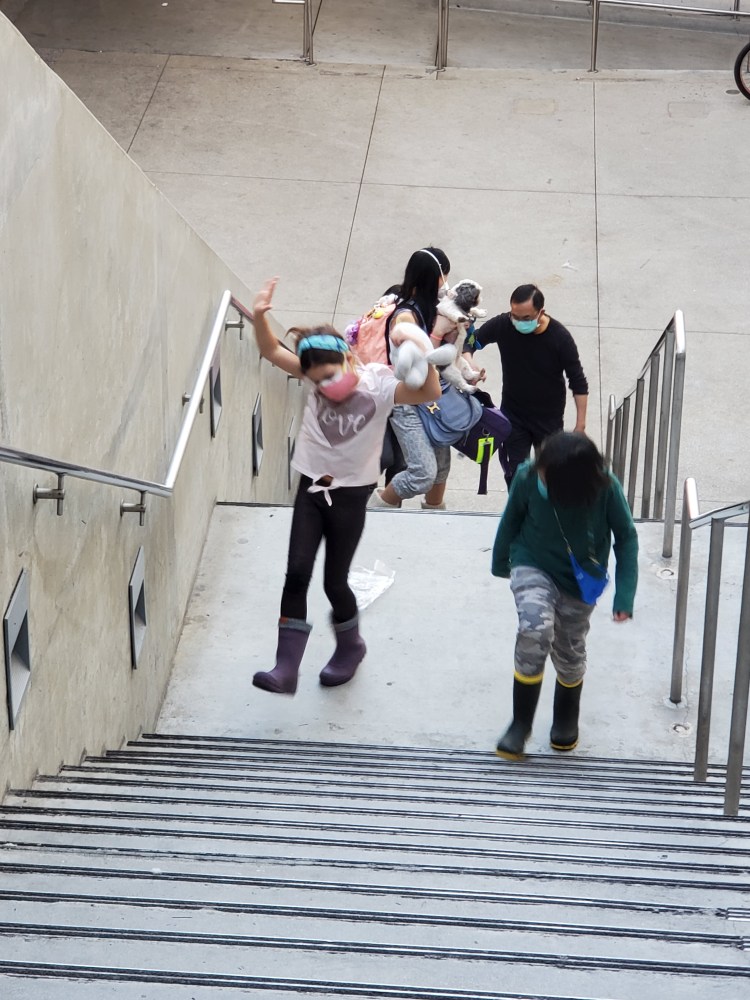
Arrival in LA was followed by an epic trudge from Terminal 7 up to Tom Bradley International Terminal. Most of the conversation centered around my unreasonable pace and speculation as to why LA named part of its airport after a sportball player from the East Coast (Tom Bradley was actually quite a remarkable person).
Our layover was about six hours, as we wanted to allow plenty of time to address any mishaps. After some discussion, we decided we’d all go out to drop Penny with Phil and Dora. It was good to see them, but hard to say goodbye. They’re taking wonderful care of her, as we knew they would, but we’ll miss her. The last few months at home would have been a lot harder without her, for all of us.
The Great LAX Dog Hand-Off of 2021
LAX felt much safer than Newark Liberty. Very few people, particularly in the international terminal, where there were only about 12 flights on the board. Probably 95% of the shops were closed. It felt desolate, but relatively safe. We ate excellent airport sandwiches and ministered to Maika’s feet. She’d been wearing wool socks and winter boots since Newark, leaving her feet in kinda rough shape. I’ll spare you the details. The next flight left at 9 PM, midnight EST. The kids were bushed.
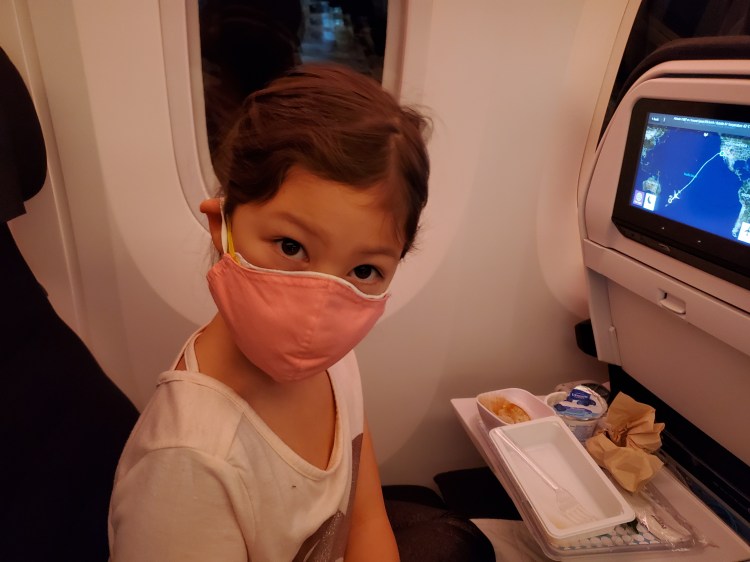
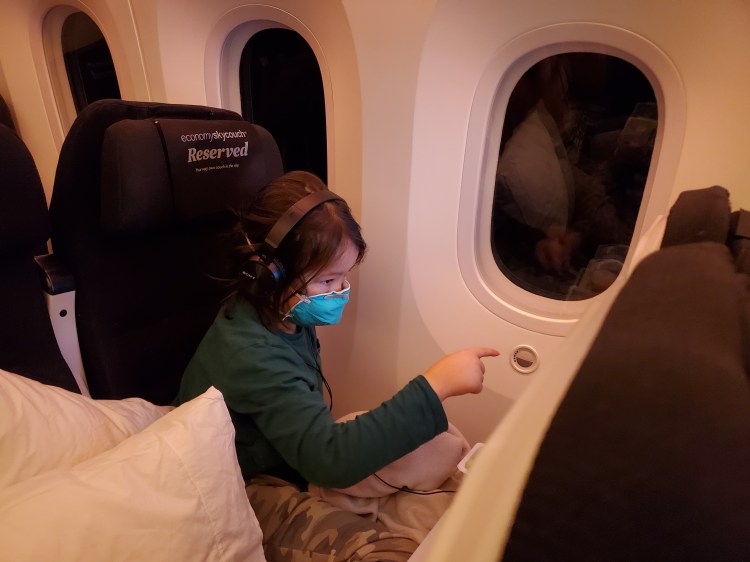
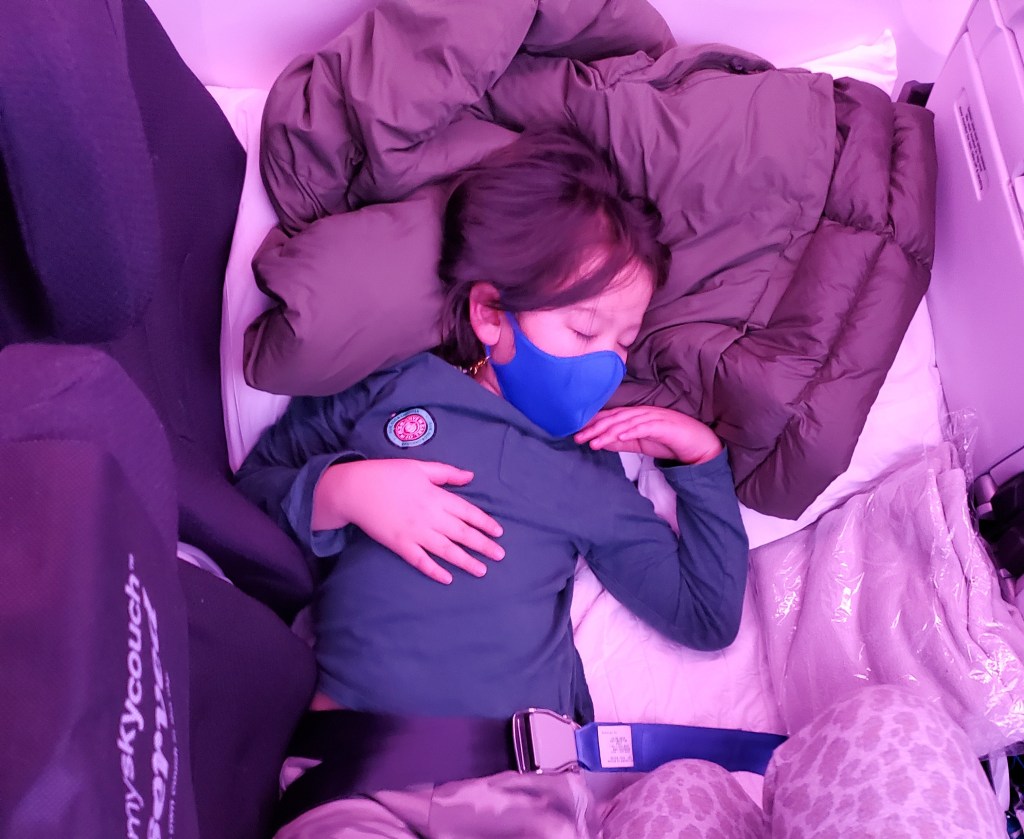
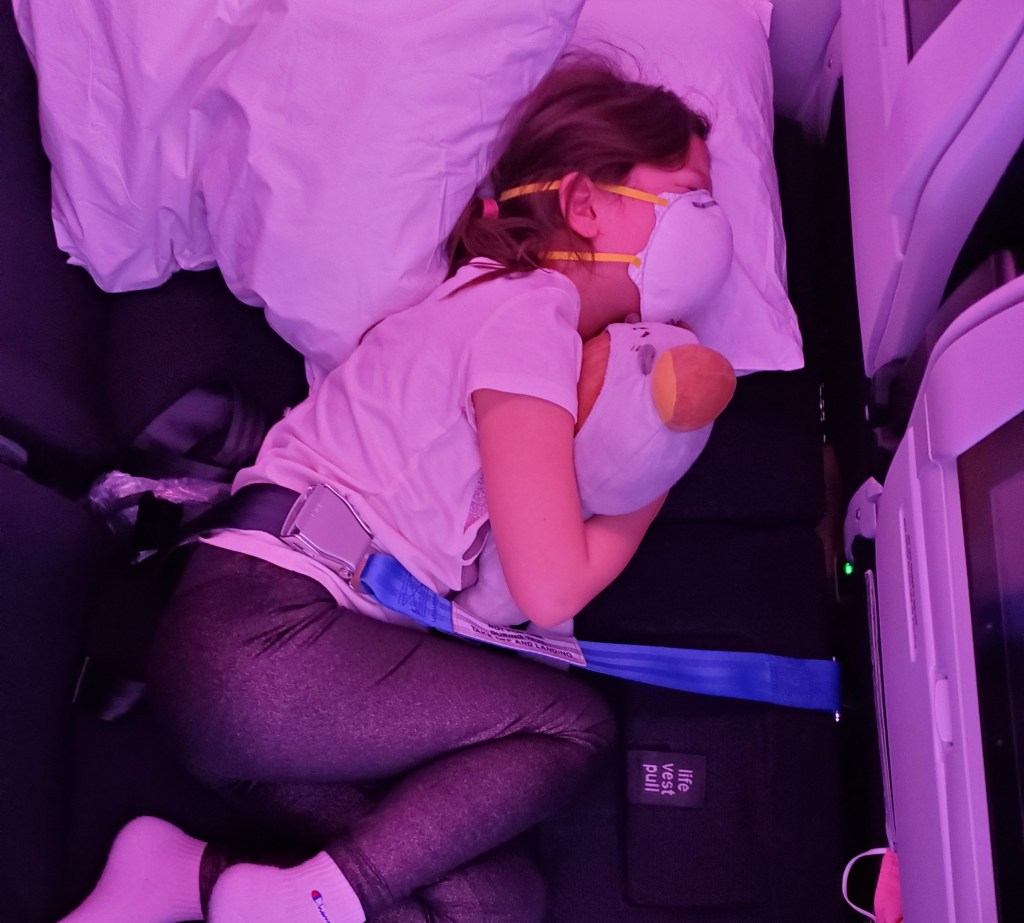
The flight from LA to Auckland was a lot more comfortable. Our fellow passengers ran an interesting gamut from girls in crop-tops and pajama pants to a man in a full hazmat suit. We had splurged on sky couches, which means that we had six seats between the four of us and our leg rests folded flat with the seats to make three seat-wide berths. Not quite big enough for me to sleep comfortably, but great for Michelle and the kids. Though the plane was pretty full, we were less anxious knowing that everyone had tested negative for COVID in the last 72 hours. While the family slept, I weirded out about the fact that this day had finally come. I’d been anticipating it for so long that it felt entirely surreal to be in the moment.
12 hours across the Pacific
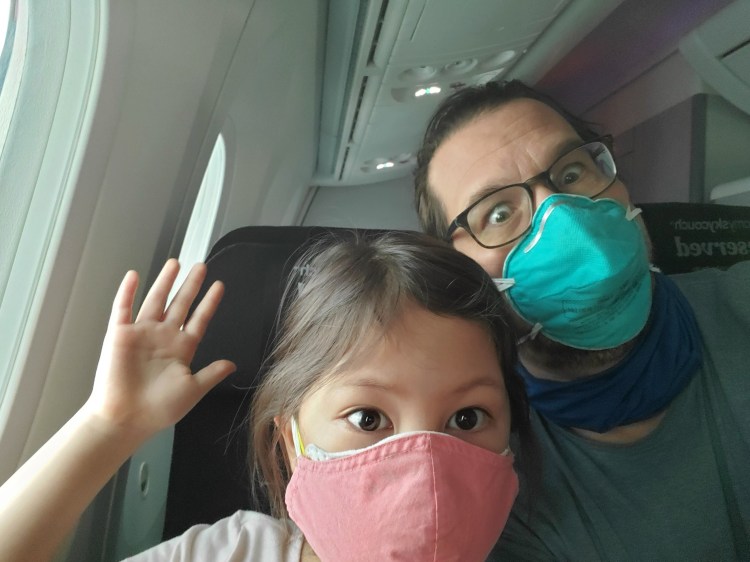
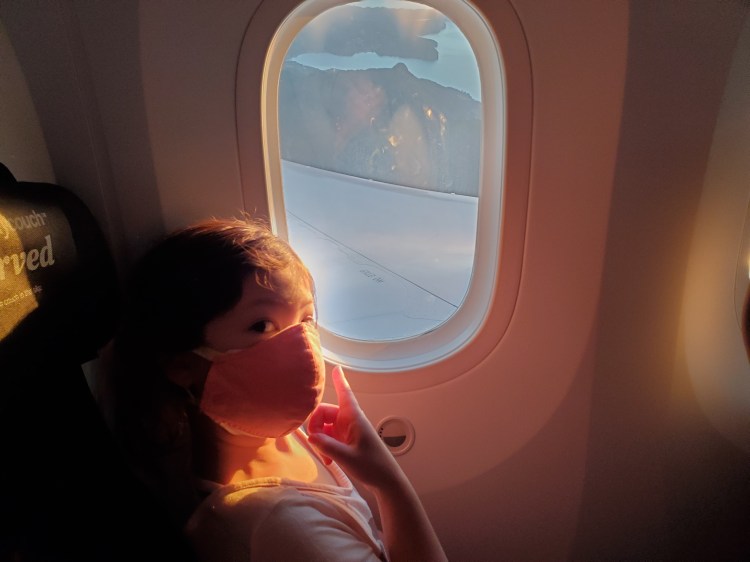
We kept our masks on well past the twenty-four hour mark, removing them only briefly for meals. They got pretty uncomfortable, particularly around the edges, but the kids were really troopers about it. Maika woke up just as we were passing the island of Kiribati, and we spent a good deal of the rest of the trip messing with the map, reading about the islands as we passed them. French Polynesia, Cook Islands, American Samoa, Niue, Tonga, Fiji.
Arriving in Auckland
At about 6:30 AM local time, we arrived in Auckland, a little over 30 hours after we’d left home. They took us off the plane in tranches: first the folks traveling on to Sydney; then a NZ police officer came on board and read off the names of the first group headed for managed isolation, of which we were a part. Auckland Airport was unsurprisingly even more tight than LAX, with tall partitions shutting off most of the airport. We talked politics with our fellow passengers and expressed our relief that we weren’t being sent to Christchurch for quarantine.
Our first stop was a health check, where our temperatures were taken and we were assigned National Health Index Numbers, our individual identifiers for receiving health services in New Zealand. We were each asked a series of questions as to how we were doing, physically and psychologically. It was a nice start. We wended our way through customs and immigration, and picked up the heavier half of our luggage. Two pieces were missing, and unfortunately one was Maika’s. She was quite upset, but rallied by the time we left baggage claim. Customs inspected my bike and our outdoor shoes and gave us the thumbs-up (they’re cautious about invasive species, so you have to clean everything quite thoroughly).
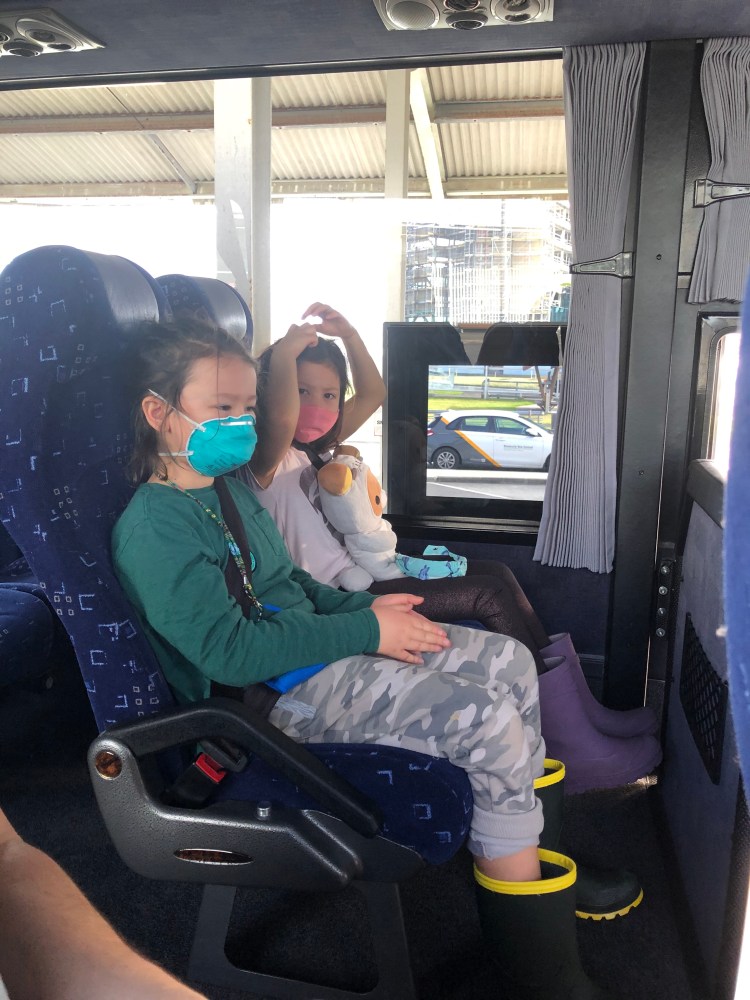
On the bus to managed isolation
A short bus ride later, we arrived at the hotel where we’ll be in managed isolation for the next two weeks! The room is swankier than we’d anticipated – we’ve a two-room suite on the sixth floor, with a kitchenette and sweeping views of the amusement park across the street.
Quarantine so far is a somewhat dull and uneasy experience, and it’s intimidating to be looking forward to another twelve days of it. We’re not allowed into the hall unless we have a scheduled time in the yard, which most people spend speed-walking in long circles. The food is rather inconsistent, and it’s weird to have to wait for it to be delivered each mealtime. I spend a lot of time at the window. We have to keep the windows open as a general matter, but when we hear the knock for a health check or food delivery, we must close all the windows, don masks, and then we may open the door to the hall. We’re allowed to order one bottle of wine or six beers per adult per day (we have yet to avail ourselves of this privilege). Strange and boring, but in all seems quite a small price to pay for a life without COVID.
One of our views. The other is of a Denny’s parking lot and one of those fashionable strip mall hipster churches. Sunday gonna be lit!





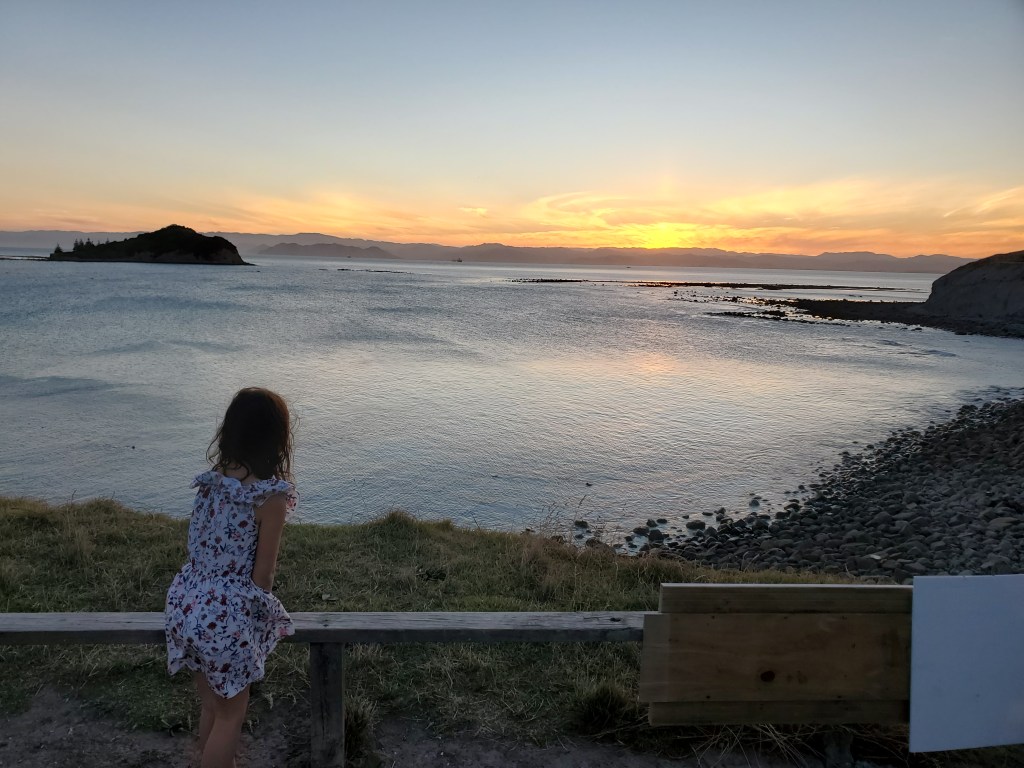
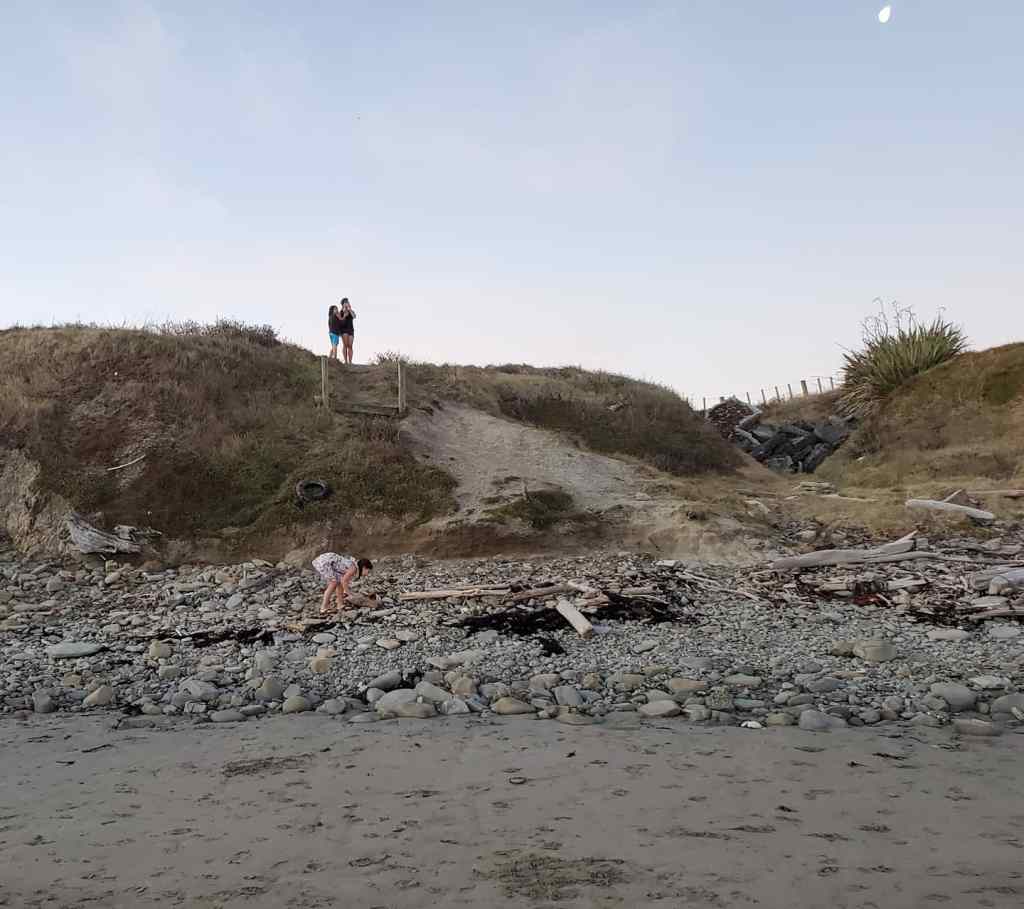
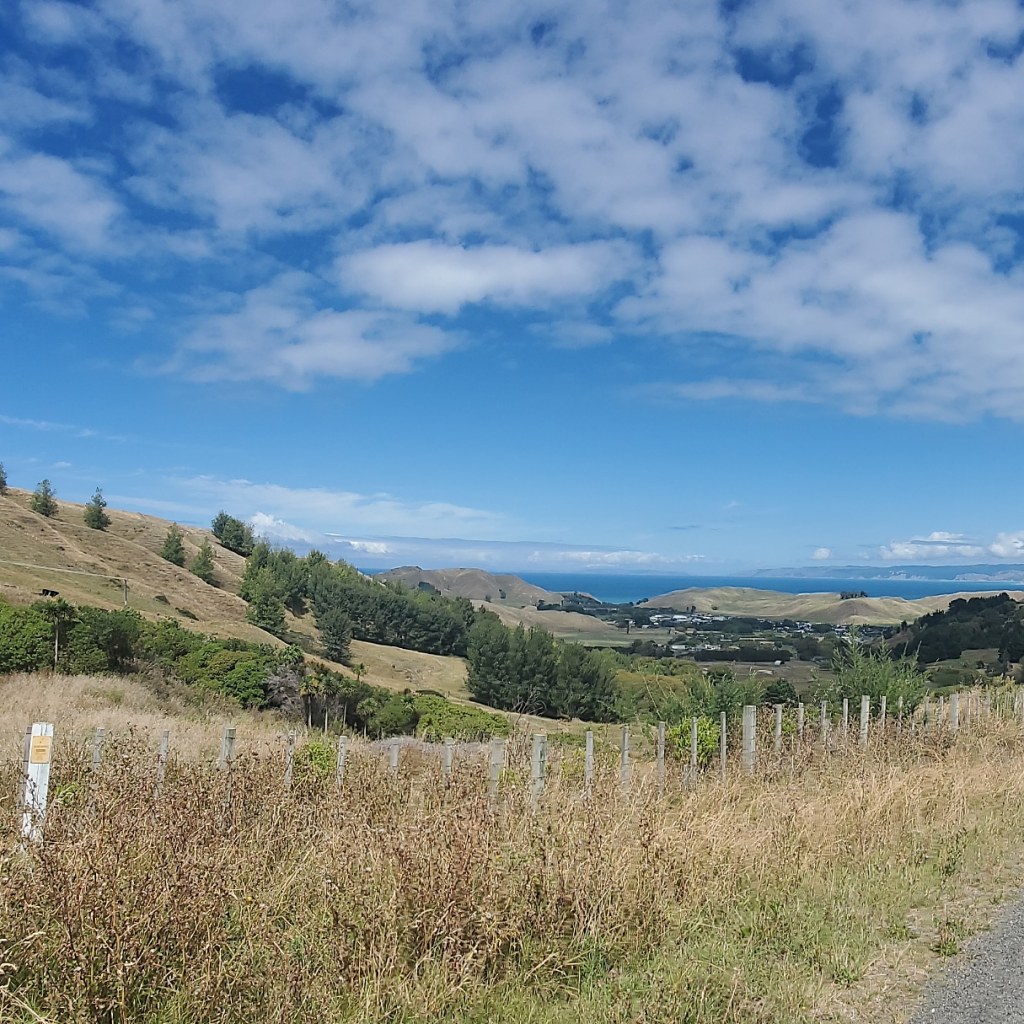
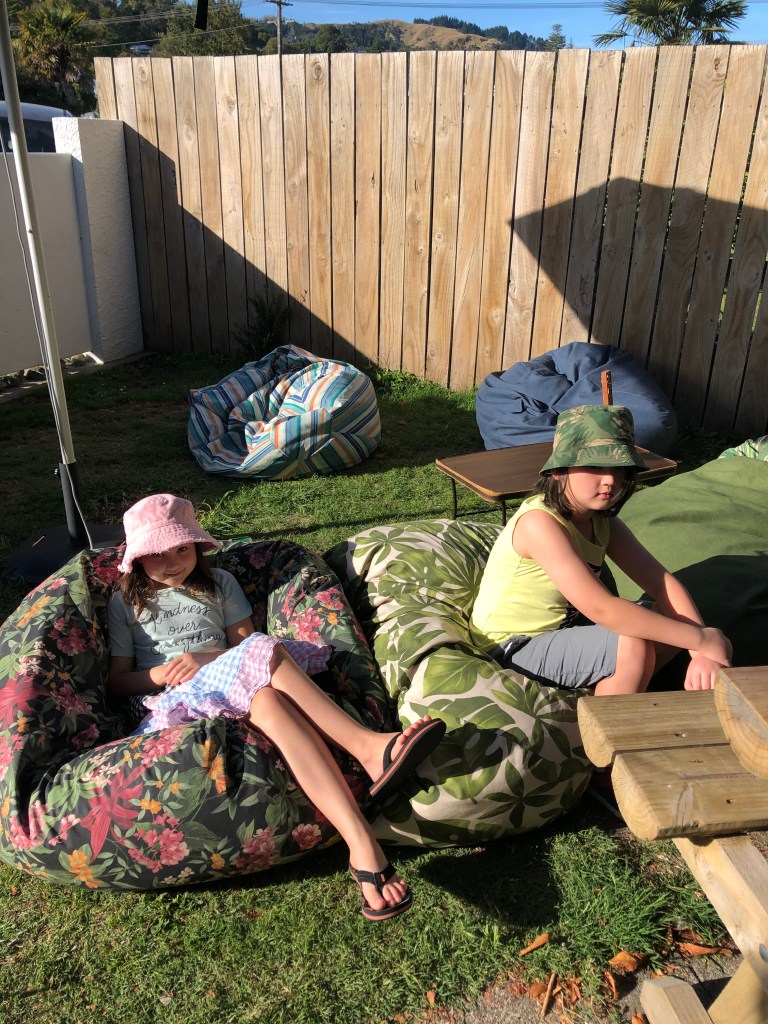


 From NY to NZ